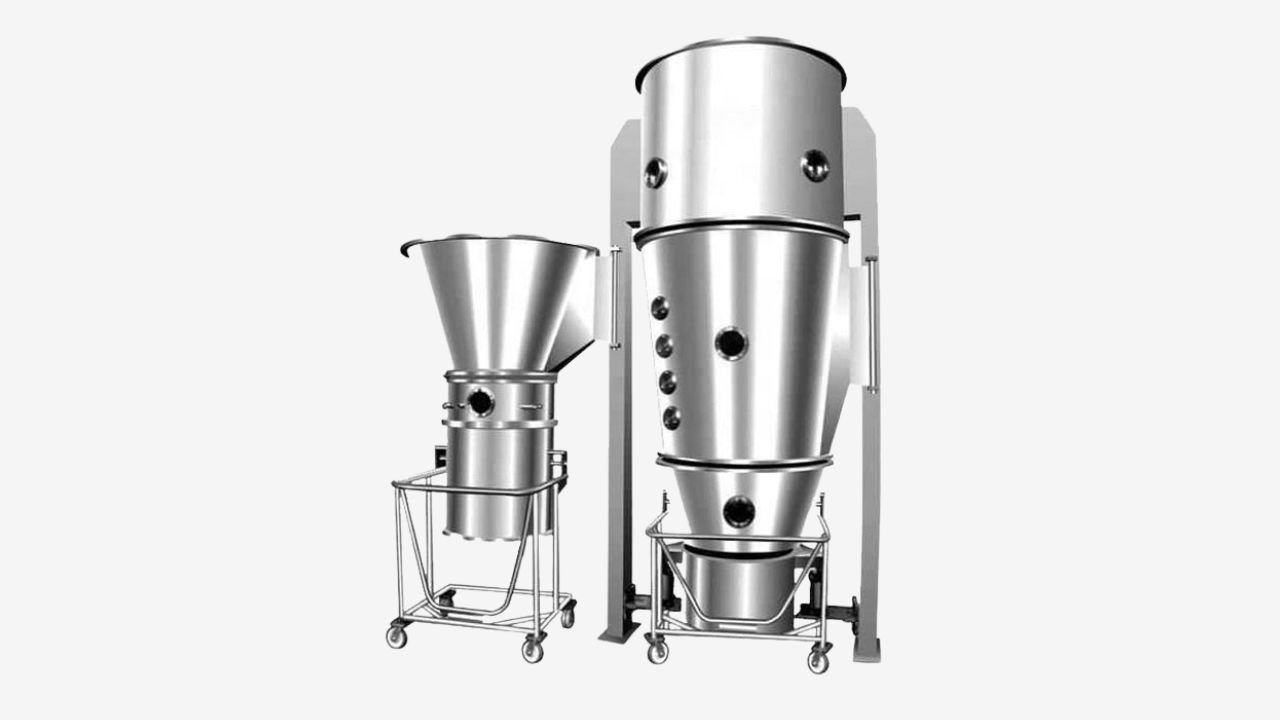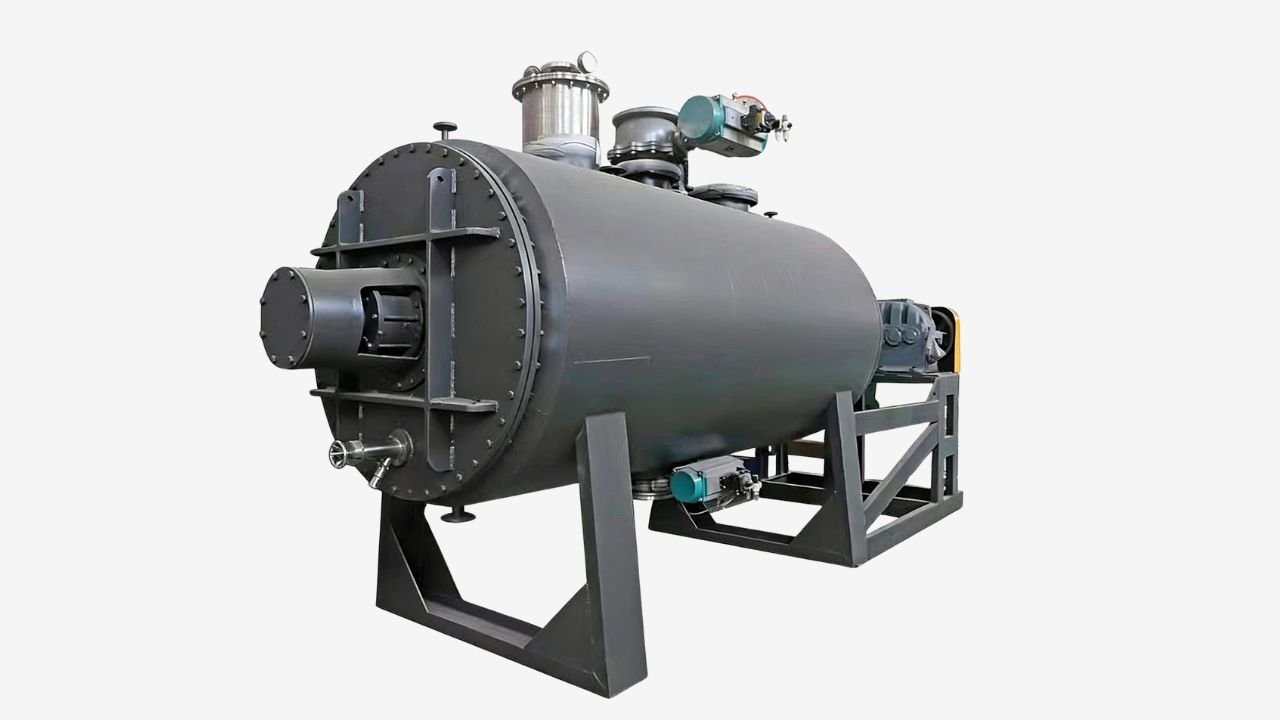
Are you struggling with questions about powder handling before and after drying? Powder transport significantly influences process efficiency and continuous production. Fortunately, integrated powder-handling systems can assist industries such as pharmaceuticals, food, chemicals, and electronic materials in addressing these challenges.
What Are Integrated Powder Handling and Drying Systems?
The drying equipment plays a role in drying the feed and removing moisture, which helps maintain product stability. Additionally, the integrated powder handling systems ensure smooth and stable transfer of the feed both before and after the drying process. This encompasses the entire production line, including feeding, conveying, storage, and unloading processes.
Common Powder Handling Challenges in Industrial Drying Processes
Dust Generation and Contamination Risks
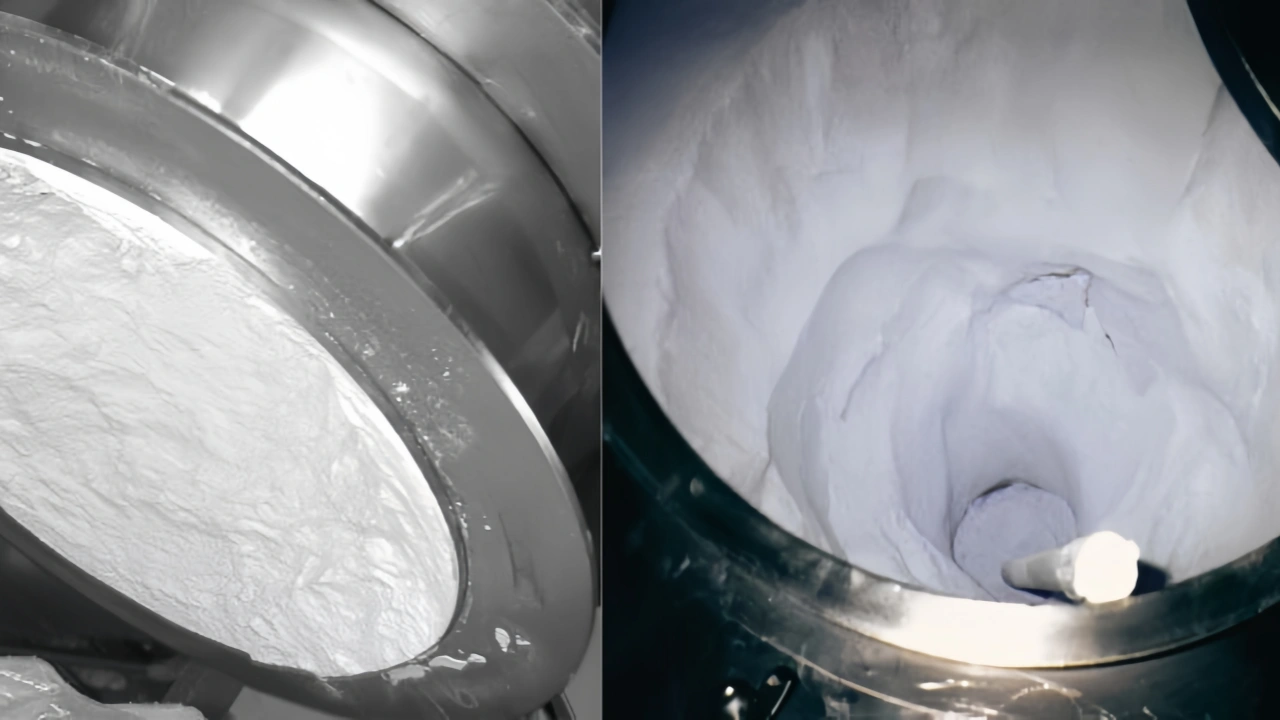
In powder handling and drying systems, dust is a major headache. It can float around everywhere, especially when you’re working with ultrafine or lightweight powders, which are tough to clean up. Plus, any leftover powder from previous batches can easily mess up the next one. This is a big deal in industries like chemicals, batteries, and starch because if dust builds up too much, it could even lead to explosions. So, keeping dust in check is super important for safety and keeping products clean.
Poor Powder Flowability
The powder’s poor liquidity in powder handling system will give rise to the following three situations: the first one is that the powder clogs the hopper outlet, causing bridging in the hopper. The second one is the “rat hole phenomenon” which occurs where powder flows in the middle but not at the edges, resulting in unstable feeding and can not continue production. The third one is the powder sticking to the wall. Some hygroscopic powders will absorb the water from the air, especially powders that inherently contain hydrophilic groups, such as protein powder and powdered sugar.
Product Agglomeration After Drying
Powder discharge is normal after drying, but after some time, it will clump in the package or hopper. The issue arises from the presence of free water on the surface of the powder. This can occur if the temperature is too high during packaging after drying. When the hot air comes into contact with cooler temperatures, it may lead to the formation of a small amount of water vapor.
Material Segregation During Conveying
During transportation, some areas of the bulk material may accumulate fine powder, while others may have more coarse powder. In this context, larger particles tend to be heavier, causing smaller particles to settle through the spaces between them. A practical example of this phenomenon is seen in the food industry, where segregation of seasoning powders can lead to a noticeable change in taste. Similarly, in the pharmaceutical industry, if a formulation has an ultra-low active pharmaceutical ingredient (API) content and experiences powder segregation, it could result in localized concentrations that exceed acceptable limits.
Cleaning and Maintenance Challenges
The powder is not similar to the liquid. It penetrates into various hard-to-reach areas, such as the spaces around screws, equipment cavities, and weld seams. Although invisible to the naked eye, powders have already accumulated. The manufacturer has provided feedback indicating that the costs associated with manual cleaning and the required labor are significant. Typically, after a production run of 8 hours, it takes about 3 to 4 hours to clean the equipment. This highlights the challenges faced in maintaining efficiency and minimizing downtime in the production process.
Key Components of Powder Handling Systems
The powder handling system works with several other systems, requiring coordination for efficient feeding, transporting, storing, and packing.
Feeding Systems
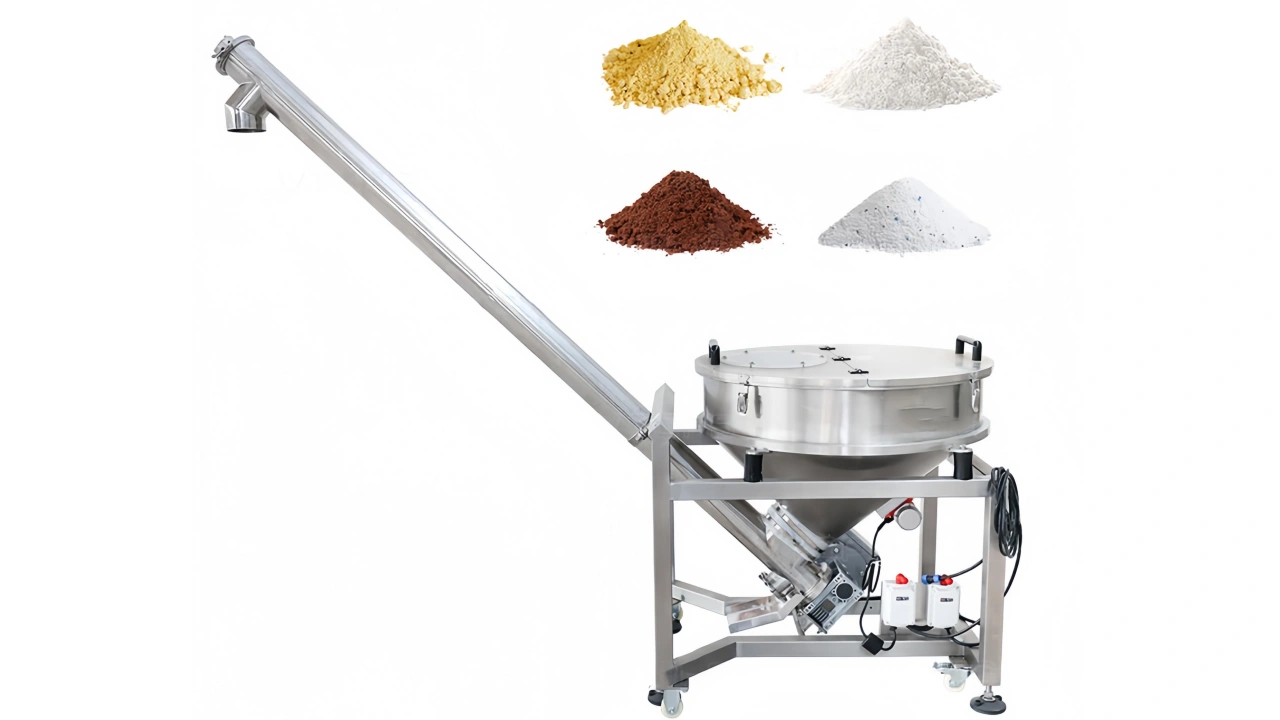
The feeding system ensures normal operation of the downstream equipment,such as granulators, spray dryers, fluid bed dryers, etc. It provides stable and precise feeding, which helps keep the batch of powder consistent. The whole feeding environment is enclosed,which reduces material loss and dust generation. Common equipment used in feeding systems includes screw feeders, loss-in-weight feeders, and vibratory feeders, among others.
Powder Conveying Systems
| Type | Typical Conveying Distance | Conveying Direction | Dust Control | Energy Consumption | Material Degradation | Suitable Materials |
| Pneumatic Conveying System | tens to hundreds of meters | Horizontal, Vertical, Inclined | Excellent | High | Moderate to High | Powders and Granules |
| Vacuum Conveying System | Tens of meters | Horizontal, Vertical, Inclined | Excellent | Moderate | Low | Powders and Fragile Materials |
| Screw Conveyor System
| Generally, within 20 meters | Horizontal or Inclined | Moderate | Low | Moderate | Powders, Granules, Bulk Solids |
| Bucket Elevator System | Tens of meters | Mainly Vertical | Moderate | Moderate | Moderate | Granules and Bulk Solids |
| Vibratory Conveyor System | Usually within 10 meters | Horizontal or Slight Incline | Moderate | Low | Very Low | Fragile Powders and Granules |
Storage and Discharge Equipment
The storage and discharge equipment is used for storing the powder safely and preventing the material from being contaminated. Then feed the powder to the conveying and packaging systems at a controlled rate. The common equipment is silos, hoppers, screw dischargers, slide gate valves, etc.
Dust Collection Systems
The dust collection system captures dust during crushing, screening, and packaging to minimize material loss. In industries like flour mills and sugar refineries, excessive dust can pose explosion risks. Additionally, it reduces dust inhaled by employees, lowering the risk of occupational diseases. Common equipment includes baghouse dust collectors, cartridge dust collectors, and cyclone separators.
Powder Filling System
The powder filling system is the last stage of the powder handling system. It can set dimensions and weight precisely, and automatically or semi-automatically convey the powder into the packaging bag, ensuring a consistent portion size for each serving. This enhances packaging efficiency and lowers labor expenses. The filling system includes a filling machine, a weighing system, a packaging conveyor, etc.
How Powder Handling Systems Integrate with Drying Equipment
Although the drying equipment can remove the feed’s moisture, it can’t efficiently handle the transport and storage before and after drying. So, you need to integrate with handling systems and drying equipment to constitute a complete production line.
- Material Feeding Before Drying: Transport the raw material to the drying equipment at a stable and constant speed.
- Material Handling During Drying: Fluidized bed dryer, paddle dryer, and other drying equipment integrate powder-handling functions to ensure uniform powder drying.
- Powder Transfer After Drying: After drying, the products will be unloaded through the unloading system and then connected to the subsequent packaging process through the conveying system.
Industries That Benefit from Integrated Powder Handling and Drying Systems
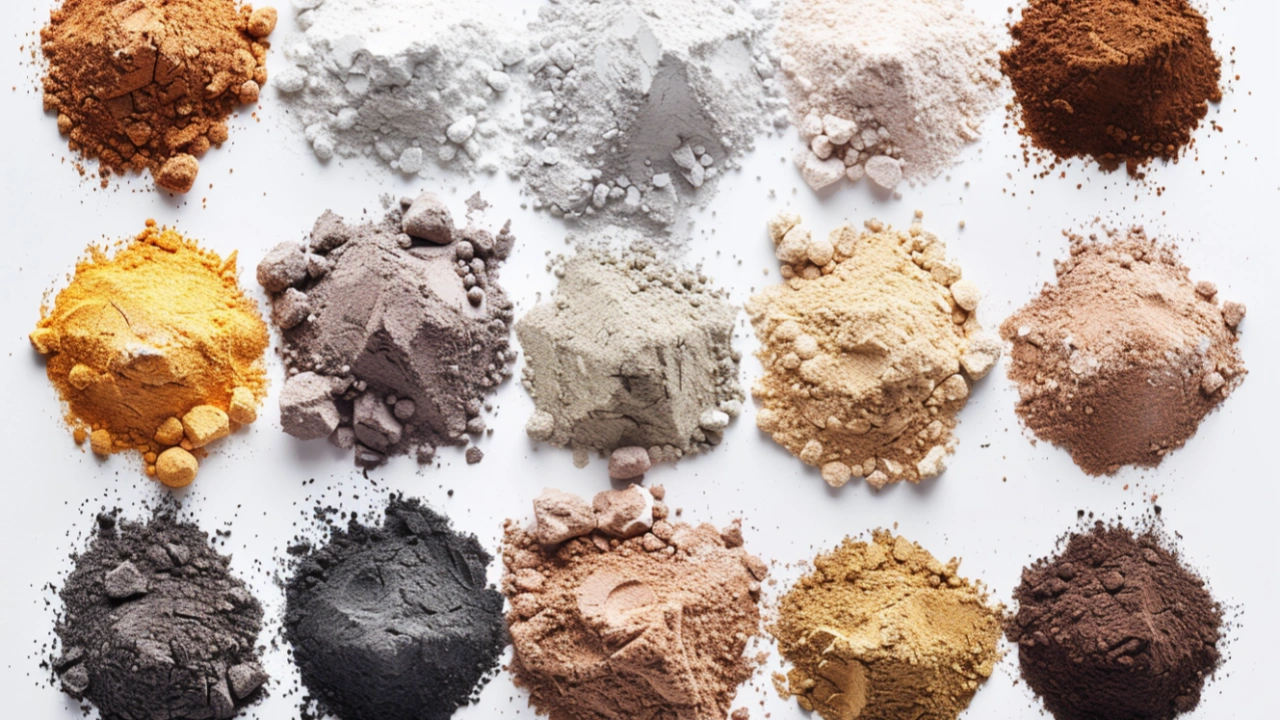
Pharmaceutical Industry
If you are the manufacturer of active pharmaceutical ingredients, tablets, capsules, and other pharmaceutical products, you will have high requirements in drug content, hygiene standards, and batch consistency. So the powder handling and drying systems are usually integrated into your production line.
Food Industry
Starch, protein powder, seasonings, and other items in the food industry need powder handling and dry systems for quick, thorough cleaning that meets food safety regulations. Therefore, the entire processing process uses 304/316 stainless steel, a polished inner surface, and a quick-release mechanism.
Chemical Industry
In the chemical industry, it will involve raw materials such as pigments, catalysts, fertilizers, etc. Most of them are acidic, alkaline, and highly corrosive to equipment. The powder handling and drying system will choose to use wear-resistant liners, ceramic-lined pipes, and hardened screw Conveyors. The whole production line‘s lifespan can be extended. Similarly, it can also reduce maintenance costs.
Battery Material Processing
The rapid development of battery materials in recent years has driven the continuous growth in demand for high-performance powder processing.NCM cathode materials, graphite, and other materials have high value and are sensitive to impurities. The entire process needs dust-free processing and closed conveying. Therefore, a professional powder handling system is required.
How to Choose the Right Powder Handling and Drying System
Understanding Powder Characteristics
The process for handling and drying 1 ton of milk powder is significantly different from that of 1 ton of lithium carbonate. We need to know the material properties, for example, the material with high liquidity uses pneumatic conveying and gravity unloading. Abrasive materials need a system design with wear-resistant pipes and blades, etc. Therefore, it directly affects the selection of equipment and the design of the whole system.
Production Capacity Requirements
The size of production volume is also important for the design of the power handling system. If the production is less than 500kg/h, we usually design with vacuum transport, manual feeding, and a flexible screw conveyor. This design has low investment and is easy to clean. Medium- to large-volume production requires a higher degree of automation and continuous production, typically using large silos and screw feeders. Choosing the right power handling system can improve production efficiency.
Evaluate Industry-Specific Requirements
Different industries have different standards. The building materials industry requires powder processing systems to ensure continuous production and wear-resistance; the new materials industry requires stable particle size and fine processing of products; and the battery materials industry requires the entire processing process to be moisture-proof and fully enclosed. Hygiene standards, explosion-proof requirements, and pollution prevention requirements all need to be considered with industry categories to ensure that the powder handling system complies with industry regulations.
Future Trends in Powder Processing Automation
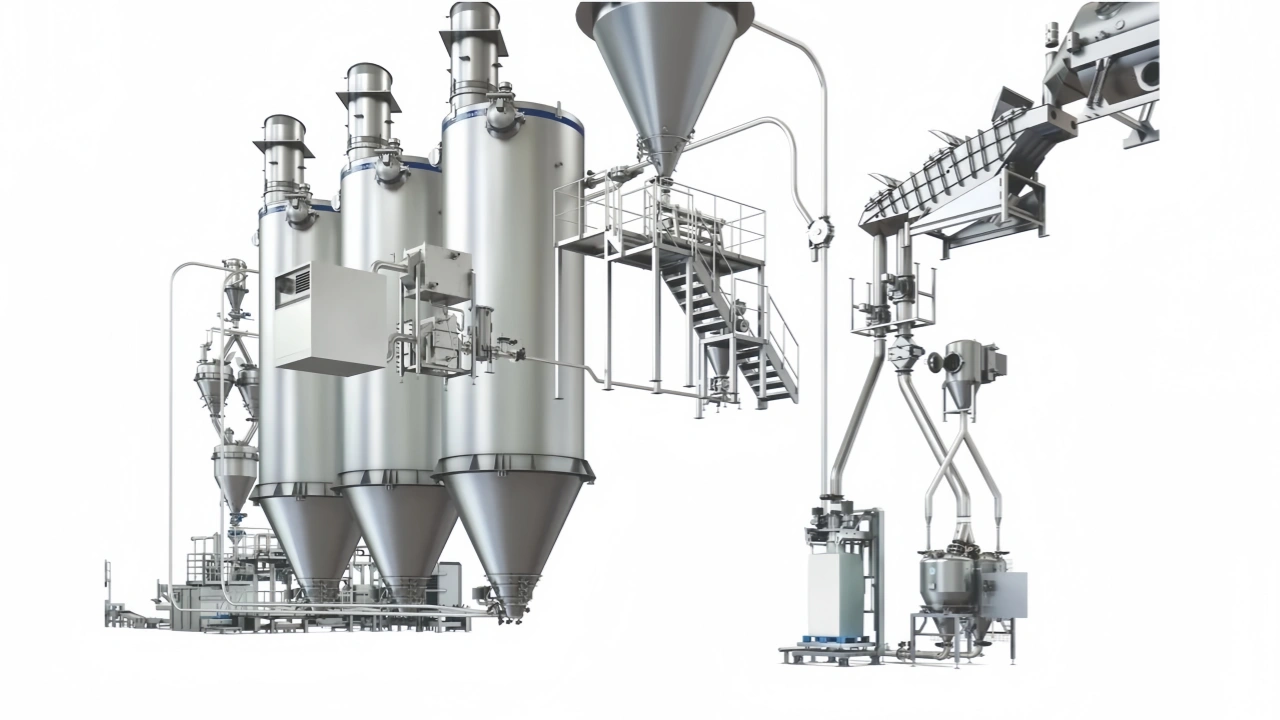
Integrated powder handling and drying systems are increasingly being used in different industries. Integrating conveying, feeding, drying, storage, dust removal, and packaging into a single production line greatly enhances efficiency and product quality. With the development of intelligent manufacturing and new energy industries, automated powder handling systems and drying systems will rely more on digital technology and intelligent control in the future, developing towards high integration.
Fanqun designs the integrated powder handling and drying systems for manufacturers worldwide. We are well aware of what syestem is best suited for you. Tell us your request, and our engineers will provide you with a free design proposal. Finally, we welcome your visit.
FAQ
1. How do you handle hygroscopic powders?
The most important request of the powder handling system is moisture-proof for hygroscopic powders. The whole process will utilize an enclosed conveying system, suitable drying equipment, store in a sealed state, and minimize transfer steps. A well-designed solution can effectively address this problem.
2. What is the best dryer for heat-sensitive powders?
The choice of drying equipment cannot be based solely on thermosensitivity. It also depends on your requirements, such as the value of your material, production volume, moisture content, and product quality. The common drying equipment for the most heat-sensitive powders is the vacuum dryer.
3. How much does a powder handling system cost?
The simple powder-handling system would cost around a few thousand US dollars; the fully automated, integrated system would require $100,000 to over $1 million. The higher the required output and the more specialized the material, the more advanced the system configuration, and the higher the cost will be.
4. What is the difference between a powder handling system and a powder processing system?
The powder handling system is primarily responsible for the transportation, storage, and packaging of the powder, etc. The powder processing system is used to process the materials with the drying equipment. Typically, the two are integrated.