If you are planning to operate a manufacturing plant that releases a lot of dust and other waste materials, then you need a mechanism to control pollution.
That is exactly where a baghouse comes in.
With a baghouse, you can control pollution and comply with the recommended environmental safety standards.
To achieve this, you must know every aspect of baghouses. Thanks to this guide, we will explore every aspect right here.
What is a Baghouse?
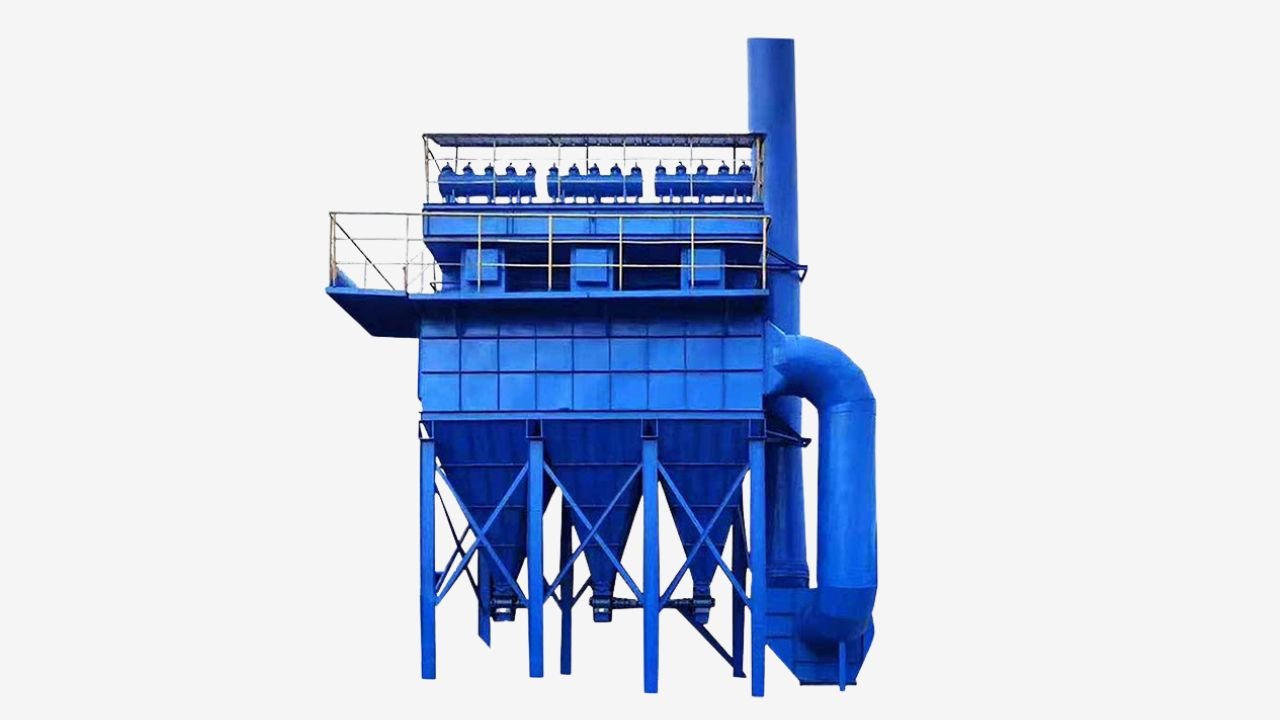
Featuring an enclosed outlet system fitted with filter bags, this is an industrial device used to control air pollution resulting from various manufacturing processes. The filter bags are typically designed using fabric, which can vary depending on the manufacturer. This device is typically incorporated into manufacturing facilities such as cement, steel mills, and power plants.
How a Baghouse Works – Explore the Principle of Filtration
Bag house functionality involves two key processes, which are the primary functions of filtering and cleaning of the filtered particles.
· Filtration
Filters are designed using various kinds of fabric. Contaminated air from the factory enters the bag house chamber, which slows it down, allowing the bigger and heavier particles to settle onto the fabric. The smaller particles are trapped by the fabric, and the dust layers that initially form on the surface of the fabric help to elevate the fabric’s efficiency, bringing it to 99%.
· Cleaning
Once enough dust accumulates in the filtering chambers, the internal pressure drops significantly. This drop automatically triggers the device’s pulse jet, which helps to clean out the dust particles from the walls of the bag by flexing the bag. Reverse air flow or a mechanical shaker can be used to push out the dust particles.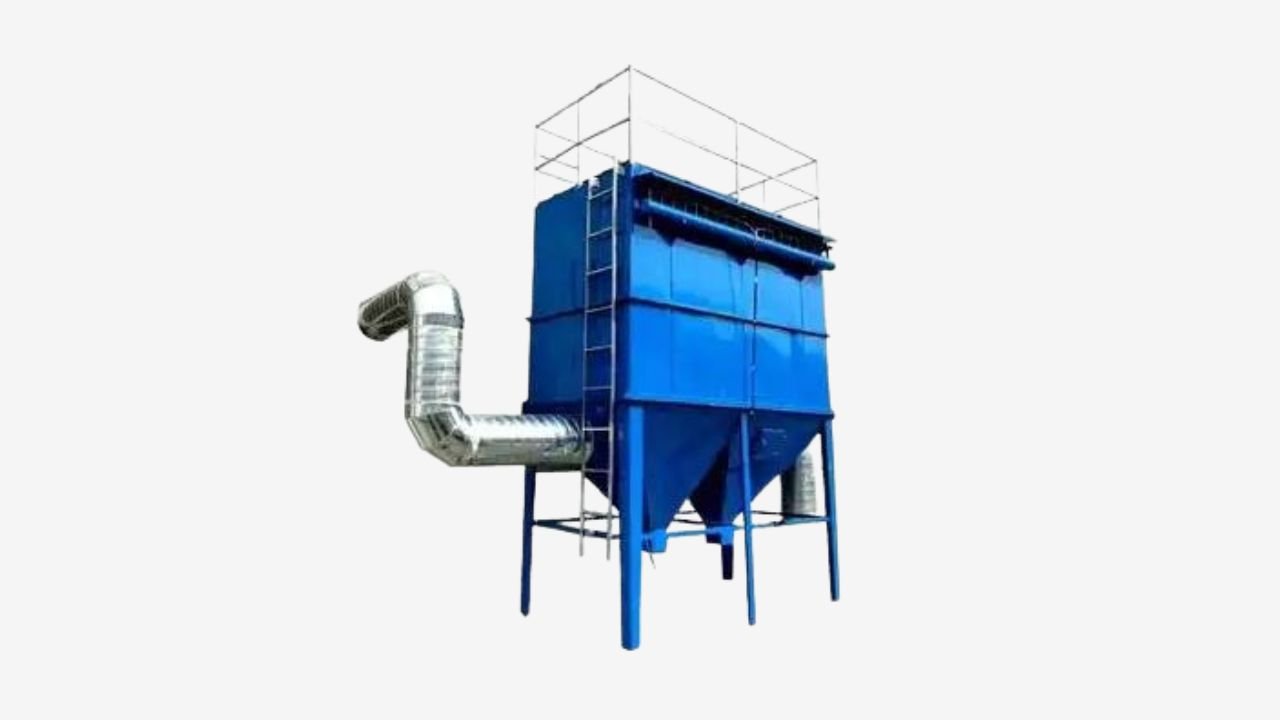
Key Components of Baghouse
· Filter Bags
Filter bags are sacks designed from various types of fabric, such as polyester and Isome, specialized ones using materials such as fiberglass. These bags’ primary role is to prevent any particles produced during the manufacturing process from escaping into the atmosphere. It traps these particles, filtering them from the air, thereby preventing air pollution.
· Tube Sheets
Also referred to as tube plates, this component is used to support, secure, and seal filter bags, forming a sealed filtration chamber. Having an enclosed unit is essential in preventing any contamination from escaping into the air.
· Cleaning System
The common design featured in these units is the pulse jet system. This system relies on a compressed burst of air triggered by a drop in pressure in the system. Shaker mechanisms can also be used as an alternative to prevent the excess buildup of dust particles in the filter bags
· Hoppers
Hopper is a component that functions as a collection center for all the dust particles filtered by the baghouse. It relies on rotary valves or conveyors, in some cases, to feed and transport the dust into it to prevent it from going back into the enclosure
· Cages
This is a component that mainly serves as a structural support for the baghouse. It prevents the device from collapsing as a result of a change in pressure and also assists in cleaning.
· Structure and Casing
This is the external cover that protects the internal component of this filtration system. It offers weather-proofing properties and is typically fitted with an entry point to allow users to access the internal components.
· Differential Pressure Gauge
This equipment is incorporated into baghouse systems as a method of monitoring pressure levels. It emits signals as the pressure continues to drop, which is required for the cleaning process.
Types of Baghouses
There are different types of baghouses, which vary depending on functionality and features incorporated. They include:
· Pulse-jet Baghouse
This is a baghouse variation that relies on pressurized compressed air that is fed into the filter bags through a nozzle. This pressurized air causes the bags to flex, releasing the dust particles trapped by the fabric without needing to halt the entire system. If you have an automated line that runs throughout them, this automated cleaning system is ideal as it not only continuously runs, but it also features an impressive cloth-to-air ratio.
· Reverse Air Baghouse
With the reverse air variation, air flow is reversed, which in turn collapses the filter bags, causing them to release the dust particles. Dust released by the reverse airflow is then fed into the hoppers in the system. This type of system is ideal for large-scale operations as it can handle a large filtration load
· Mechanical Shaker Baghouse
Mechanical shaker variation features vibrating cams or motors, which shake the filtration bag, causing it to release any trapped particles intermittently. This method is better suited manufacturing of metals, which results in heavy, coarse particles that are not easily dislodged. It is a low-energy alternative but has slower cycles and relies on an offline system.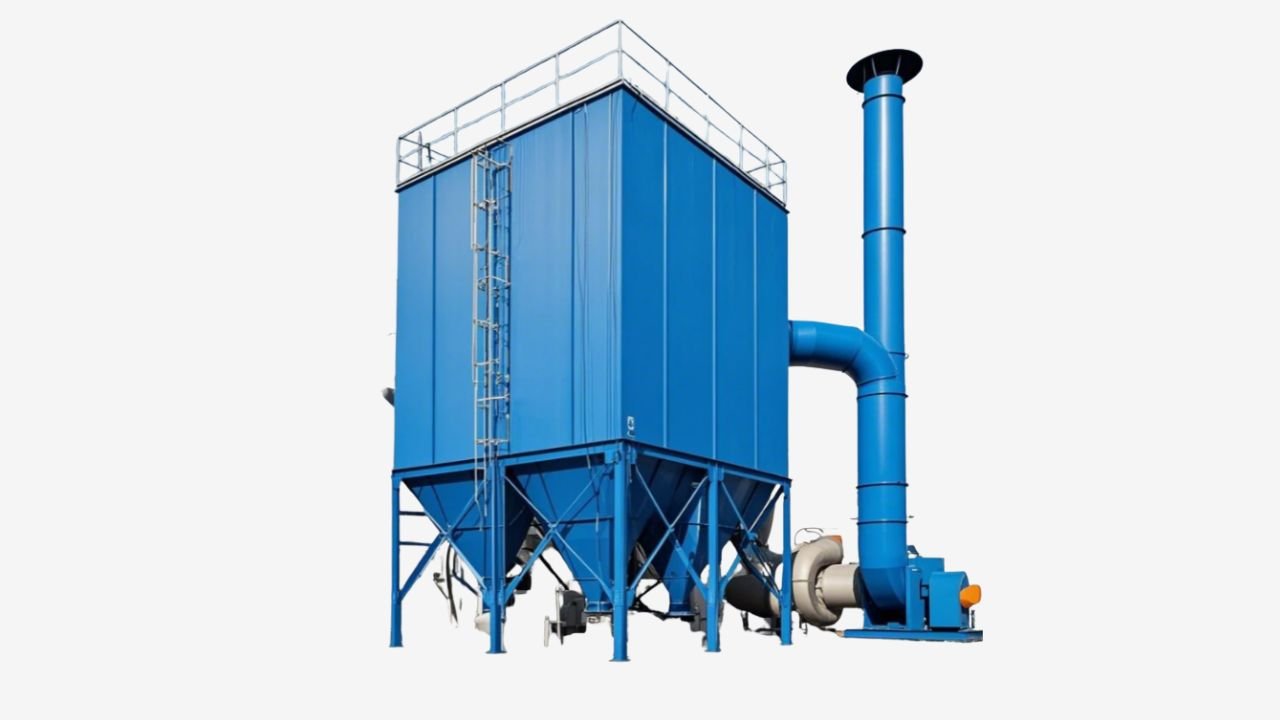
How to Choose a Baghouse
Bag houses come in varying designs, sizes, and functionality. It is important to get a baghouse that best takes all your unique application needs into consideration. The main factors to consider include the following;
· Baghouse Size
The size of the bag house is a key parameter that should be properly considered. When it comes to determining the right size, you first need to calculate the circulating airflow in addition to the air-to-cloth ratio. The larger your scale of operation, the larger the filtration bag needs to be.
· Efficiency
Baghouses have an impressive efficiency of over ninety-nine percent. The key determining factor when it comes to efficiency is the type of fabric used to design the filter bag. Therefore, different materials are available, and you should select one based on particle size, pressure monitoring, and outlet emission, among others.
· Dust and Gas Properties
Properties of the fumes and dust produced during the manufacturing process should be considered. Kedy properties to consider include moisture, hygroscopicity, abrasiveness, and gas temperature. The more sticky and abrasive the particles are, the sturdier the filter bag needs to be.
· Material or Filter Media
The material the filter bag is made of is another key factor that will directly determine the type of machine to get. For high-temperature applications, you should get either fiberglass or PTFE, and fabric can be used for general applications. Also consider the compatibility of the material and the particles in terms of resistance to chemicals, ease in cleaning, as well as tensile strength.
· Emission Requirements
Your operations emission requirement is another key factor that will determine the most suitable type of machine for your application. The micron rating and opacity limits should meet local and recommended standards. There are specialized high-efficiency membranes for sensitive applications such as food and pharmaceutical applications.
· Available Space
The different types of bag houses feature varying features, making them suitable for different applications. A bag house that features the pulse-jet design is compact and therefore ideal for operation with limited space. Similarly, the shaker variations occupy more space as they require offline systems for cleaning and are therefore better suited for operations with large floor space.
Common Applications of Baghouses
Baghouses are used as filtration systems in various manufacturing plants that have the following operations.
· Power Generation
- Coal-fired boilers
- Biomass-to-energy systems
- Coal conveying boilers
- stoker boilers
- Waste-to-energy plants control
· Pharmaceutical Industry
- Tableting and granulation processes.
- Drying and milling
- Coating and encapsulation
- Powder blending and mixing
· Chemical Industry
- Drying and granulation
- Pesticide and fertilizer
- Reaction vessels
- Solvent recovery and distillation
· Food Industry
- Baking and mixing
- Feed production
- Grain milling and flour processing.
- Sugar and spice grinding and packaging.
How to Maintain a Baghouse
· Daily Checks
Several daily checks should be conducted on the baghouse for maximum efficiency and durability
| Check parameter | Procedure |
| Exhaust Stack Emissions | · Visual inspection of the stack · Inspect the opacity monitor |
| Cleaning System Operation | · Ensure there are pulses · Confirm the cycle has started |
| Dust Discharge | · Ensure that the hopper is functional |
| Compressed Air System | · Check pressure · Ensure that there are no leaks |
| Fan and Airflow | · Ensure that it is running smoothly |
| Hopper Level | · Ensure that it has been properly emptied and there is no build-up. |
| Differential Pressure | · Use gauges to record pressure drops. |
Preventive Maintenance
There are various types of preventative maintenance features, including:
- Thoroughly inspect your filter bags.
- Ensure the cleaning system is functional
- Inspect all the moving parts, such as fans, hoses, and air lines, among others
- Blow out the pressure lines
- Inspect the gauges and ensure they are accurate.
Common Problems with Baghouses and Possible Solutions
· High Differential Pressure
This problem occurs in cases where there is a thick layer of dust on the walls of the filter bag, moisture causes the particles to stick to the walls, or when filters are clogged. You can rectify this issue by conducting more regular and thorough cleaning of the bags. Replacing worn-out bags can also aid in preventing this problem from occurring.
· Dust Emission
This is a problem that is most likely to occur as a result of a damaged or improperly installed filter bag. If the bag is worn, torn, or improperly fitted, it can cause dust particles filtered by the bag to leak out into the atmosphere, thereby limiting the machine’s filtration effectiveness. You can first carry out a visual inspection to identify the cause of the problem and then either replace the damaged bag or install it properly.
· Low Differential Pressure
When experiencing low differential pressure, the most likely cause of this problem is a damaged bag, insufficient particle accumulation, or overcleaning, which minimizes the dust cake, which is vital to efficient functionality. Inspect the bag for any visible damage and replace it if required. You can also incorporate additional filters to aid in situations where minimal dust is being produced.
How Bag Houses Compare to Other Dust Collector Systems
· Cartridge Collector
This device relies on pleated filter cartridges to trap and eliminate dust from the air output from the factory. Designed for industrial applications, this device can effectively filter dust particles from various scales of operation, producing a light to moderate dust load.
The device has a compact build, making it ideal for operation with limited floor space. It is a versatile device and is used to filter dust from operations such as sanding, grinding, welding, and powder coating. Carridge collectors are also very easy to maintain as opposed to a baghouse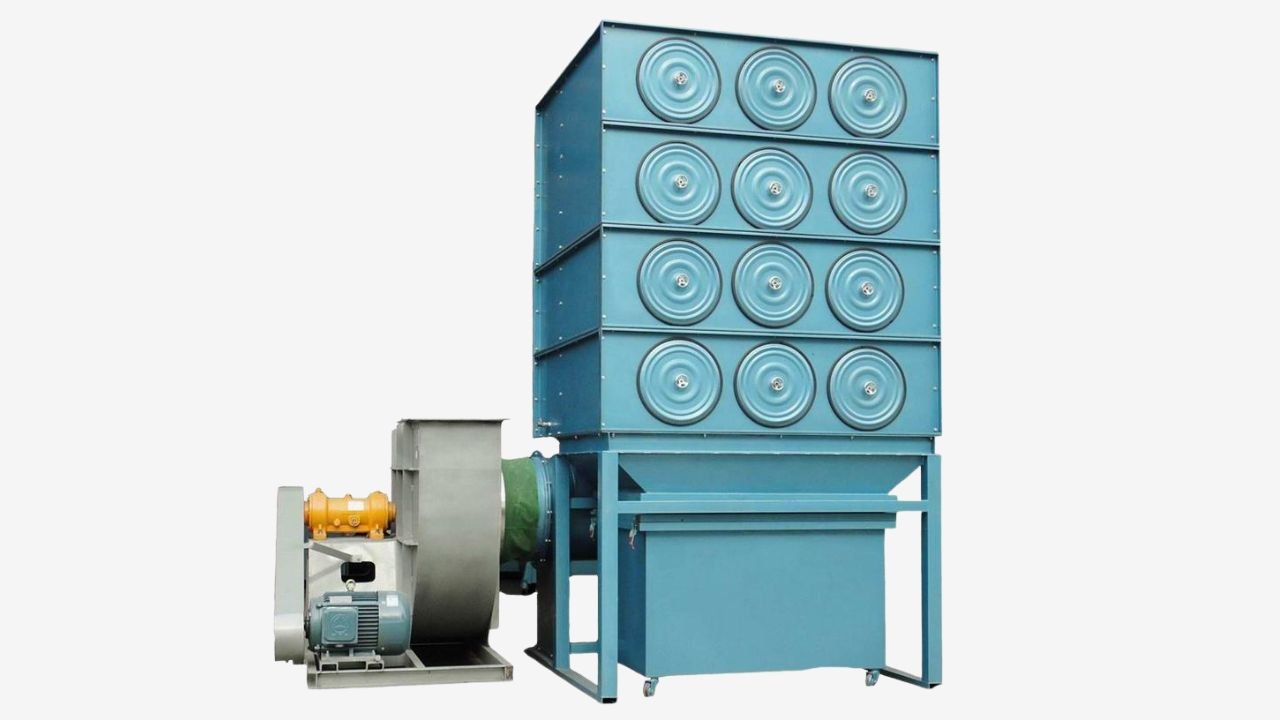
· Cyclone
This type of filtration system does not only rely on filter bags, as the baghouse does. Instead, it relies on centrifugal force to pull and eliminate large particles from the air stream, making it especially efficient for large-scale operations involving a large volume of dust load. It is mainly effective for operations that do not result in a lot of fine dust.
This variation is easier to clean and maintain without the filter fabric used in traditional filtration systems. It is also more durable as a large particle that would have otherwise damaged the filter is eliminated.
· Electrostatic Precipitator
For fine dust, smokes, and other aerosol contaminants, the electrostatic precipitator is the best type of air filtration system for you. This device can filter out particles as small as 0.1 microns with over nine percent efficiency.
Electrostatic precipitators are typically incorporated alongside other dust filtration systems for maximum efficiency. They are ideal for high-temperature applications and can handle high volume.
FAQs
1. How do you determine the efficiency of a baghouse?
Efficiency, which in this case is over 99% is determined by the following formula:
Efficiency (%) = (1 – Outlet Emission Concentration / Inlet Emission Concentration) × 100.
2. How long do baghouses last?
The bag house structure can last for 10-30 years, depending on the material used to construct it, and the filter bags, after 5-10 years, depending on the damage caused by wear.
3. Is a baghouse suitable for high-temperature applications?
There are specialized baghouses designed using materials such as fiberglass, which are applied in high-temperature applications.
4. Is there a difference between a bag house and a bag filter?
A bag house is a complete filtration system with various filters, an enclosed chamber, and a cleaning system.
A bag filter refers to the individual bags used during the filtration, typically found in a magazine.
5. How much does a baghouse cost?
The cost of a baghouse varies depending on the manufacturer, size, and material used to design it, ranging from 50,000 to one million dollars.
FanQun Baghouse is Trusted by Industries Globally
FanQun baghouses are highly rated for efficient pollution control across many industries. They effectively filter and eliminate unwanted contaminants from the air, leaving your manufacturing environment free from any pollutants.
Depending on your unique specifications, the FanQun team will customize baghouses to match your unique performance requirements – send inquiries now.