Maintaining a clean, safe, and healthy workspace is essential as it keeps you in compliance with regulatory bodies like the EPA and OSHA.
But most importantly, it helps you protect your staff and keep them healthy. Dust collectors play a significant role in creating a safe, clean workspace, especially in industrial settings. But what are they exactly, and what do they do?
What is a Dust Collection System
A dust collection system is a set of equipment fitted with air filters that generates purified air that meets stringent emission standards. This specialized collector exploits high-level filters to capture unwanted elements such as metal chips and combustible dust from the air emitted by your machinery or processes, consequently generating purified air suitable for emission.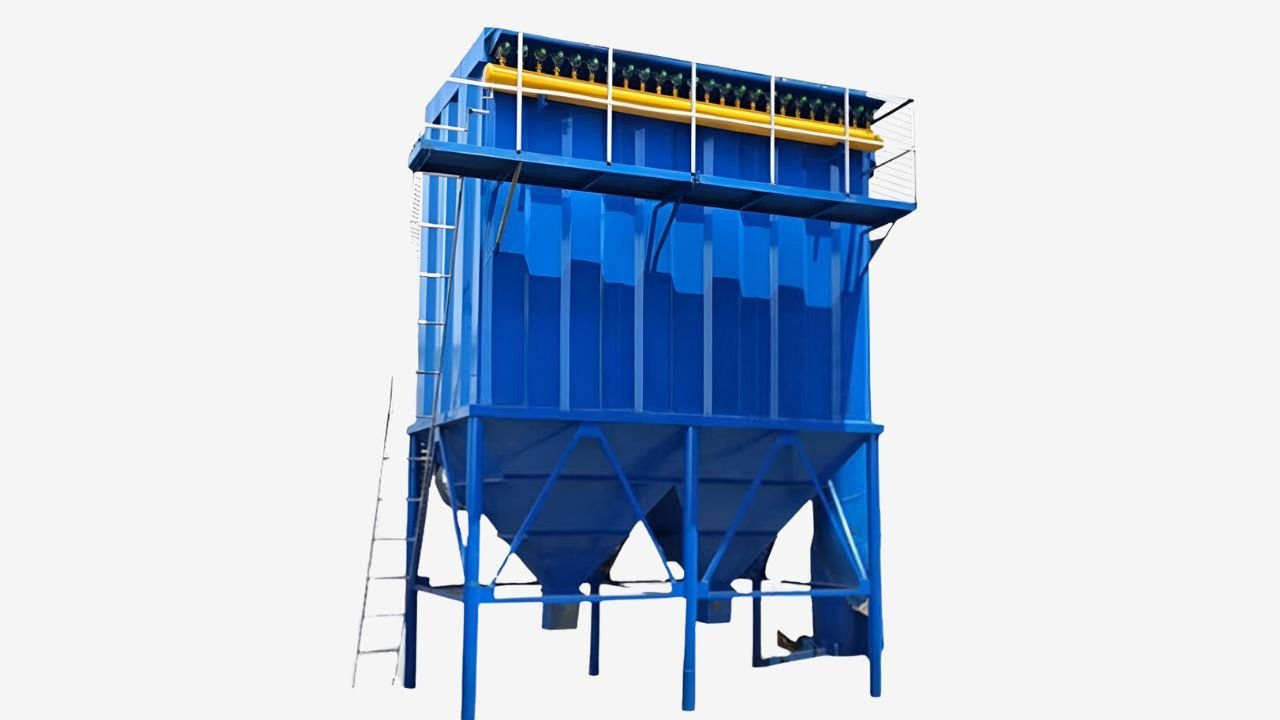
What is the Role of Dust Collectors
Whereas dust collectors are renowned for collecting and isolating particulate matter from the emissions of industrial and woodworking processes, they achieve more than just that. They collect the contaminated air at source, clean it, and release it for recirculation. Here is why you need one:
- Creates a healthier workspace by getting rid of potentially harmful elements from the air before they get to you or your staff.
- Limits the accumulation of excess dust, consequently keeping your equipment and workspace clean.
- Protects key machinery by extracting potentially damaging particulates like metal chips before they harm your machines.
- Prevents product contamination by eliminating contaminants that might pollute your products, especially food products in the latter production stages.
- Protects the environment by purifying the contaminated air in workshops and manufacturing facilities, thus allowing you to only release purified or, at the very least, harmless emissions.
Dust Collection System Components
| Component | Function |
| · Dust Collector Hood | · A special interface that links the dust collector to the dust source, ensuring no contaminated air escapes. |
| · Dust Collection Ductwork | · A ductwork that conveys the amassed dust and other emissions to the collector. |
| · Explosion Protection Equipment | · Prevents the possibility of an explosion during the dust collection process. |
| · Air Material Separator | · Alienates particulates such as metal chips from the conveying air. |
| · Rotary Valve | · Acts as an airtight seal tasked with regulating the flow of emissions into the dust collector. |
| · Motorized Valves | · Help control the entry of dust into the collector as well as its conveying through the filters. |
| · Exhaust Fans | · Generates the desired airflow in the dust collection system. |
How Does a Dust Collector Work
Although dust collectors may come in varying configurations and exploit different collection techniques, they all work in the same way. They generate clean air that can be released into the surroundings without posing a threat to any inhabitant by following a series of steps, namely;
· Capturing
The collection and filtration process begins with the connection of the dust collection hood to the emission source. This enclosure ensures that the emission gets into the ductwork with minimal leakage. Once in the ductwork, the emission is delivered to the dust collection system.
· Conveying
The contaminated emissions from the source equipment or space are then conveyed to the dust collector via the ductwork. This is facilitated by the airflow created with the help of the dust collector exhaust system.
· Filtering
Once the emissions are delivered to the dust collection system, they are driven through numerous air filtration systems. These custom-tailored filters trap the targeted particulates, for instance, wood chips, while only granting clean air passage. Commonly utilized filters include cartridge and fabric filters.
· Discharge
The dust or emissions left after the clean, purified air has been released into the environment or recycled back into the production process are ejected from the collector and preserved in a storage bin. You can either dispose them off appropriately or recycle them if possible.
· Cleaning
To keep the air filters in top condition and maintain their excellent filtration rates, cleaning, every now and then is necessary. This is a gentle process that requires a lot of cautiousness to avert harming the filters prematurely. You can clean them using either pulse jet cleaning or mechanical shaking.
Dust Collector Types
· Cartridge Collectors
These compact dust collection systems work best with industries whose emissions contain fine dust, smoke, and other airborne pollutants that pose a threat to you, your staff, and the environment at large. Armed with pleated filter cartridges, they promise great filtration rates, capturing fumes and a myriad of unwanted particulates.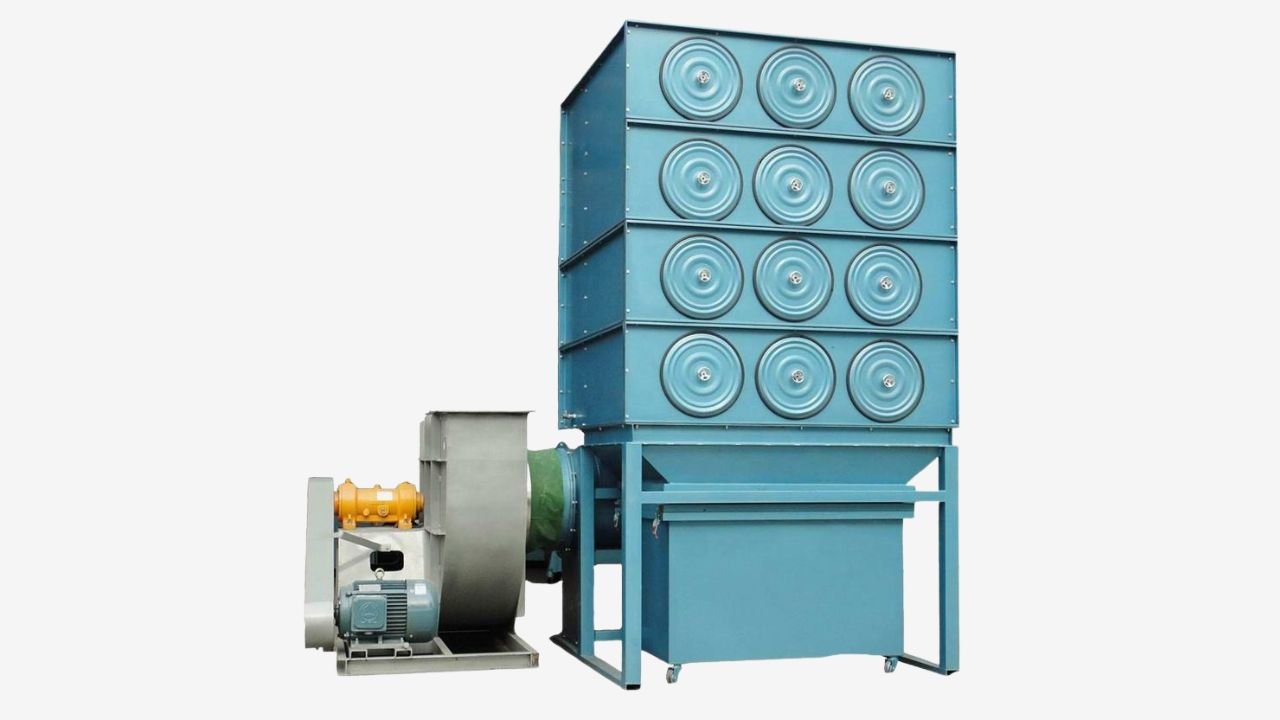
· Wet Scrubbers
Wet scrubbers hardly utilize air filters to clean emissions. Instead, they bind particulates found in the emissions using suitable solvents such as water. Once the particulates combine with these solvents, they become larger and heavier, alienating themselves from the air. They are quite common in pharmaceutical manufacturing facilities, metalworking workshops, and chemical processing plants.
· Baghouse Dust Collectors
They rely on advanced fans to extract the contaminated air in your machinery or workspace and ferry it into specialized ducts that deliver it to specialized filters for cleaning. Most baghouse dust collection systems utilize high-performance fabric filters, making them perfect for trapping granular contaminants, fine dust, and other pollutants.
· Cyclone Separators
These air separators double up as dust collection systems, capturing emissions from certain processes or machinery and purifying them. They primarily thrive in isolating large and medium-sized contaminants such as metal chips and sawdust. Rather than utilizing high-performance air filters, cyclone separators rely on centrifugal forces.
Materials Captured by Dust Collectors
Emissions from distinct production processes or workshops vary in composition and characteristics. Whereas there are varying dust collectors tailor-made for certain types of emissions, not all pollutants are isolated. Here is a list of isolatable materials;
- Gypsum
- Metal Chips
- Carbon
- Sawdust
- Spice dust
- Felt
- Molybdenum
Common Uses of Different Dust Collectors
Quite often, the type of dust collection system to use is a decision that boils down to the type of emission produced by your machinery or production process. In the table below, we focus on the most prominent dust collector systems and the type of pollutants they favor the most.
| Dust Collection System | Applications |
| Baghouse Dust Collector | · Fine and coarse dust particles, gypsum, gravel, cement dust, fumes, and wood shavings, among others. |
| Wet Scrubbers | · Particulate matter, mists, fumes, metal dust, toxic gases, and combustible dust. |
| Cartridge Collector | · Dry dust, wet mists, heavy metal dust, gases and vapor, smoke, and suits, etc. |
| Cyclone Separator | · Large particulates, coarse dust, sand, grit, sawdust, plastic flakes, and rubber particles. |
FAQs
· Are Dust Collectors Necessary if You Have an HVAC System?
Yes. Although HVAC systems help generate clean and healthier air, they are not as efficient or as effective as dust collectors when it comes to capturing fine dust particles, fumes, and odors. Additionally, in certain industries, dedicated dust collection systems are mandatory.
· What is the Benefit of Having a Dust Collection System?
Having a tailored dust collector in your workshop, manufacturing facility, or industry could be the reason you and your staff enjoy a healthy lifestyle. The system helps generate clean air, whilst isolating harmful pollutants in readiness for treatment or recycling.
· What is the Difference Between a Baghouse Dust Collector and a Cyclone Separator?
Whereas a baghouse dust collector mainly gets rid of unwanted particulates and contaminants using fabric filtration systems, cyclone separators hardly necessitate filters. Conversely, they make use of centrifugal forces, which thrive in extracting medium and large-sized particulates.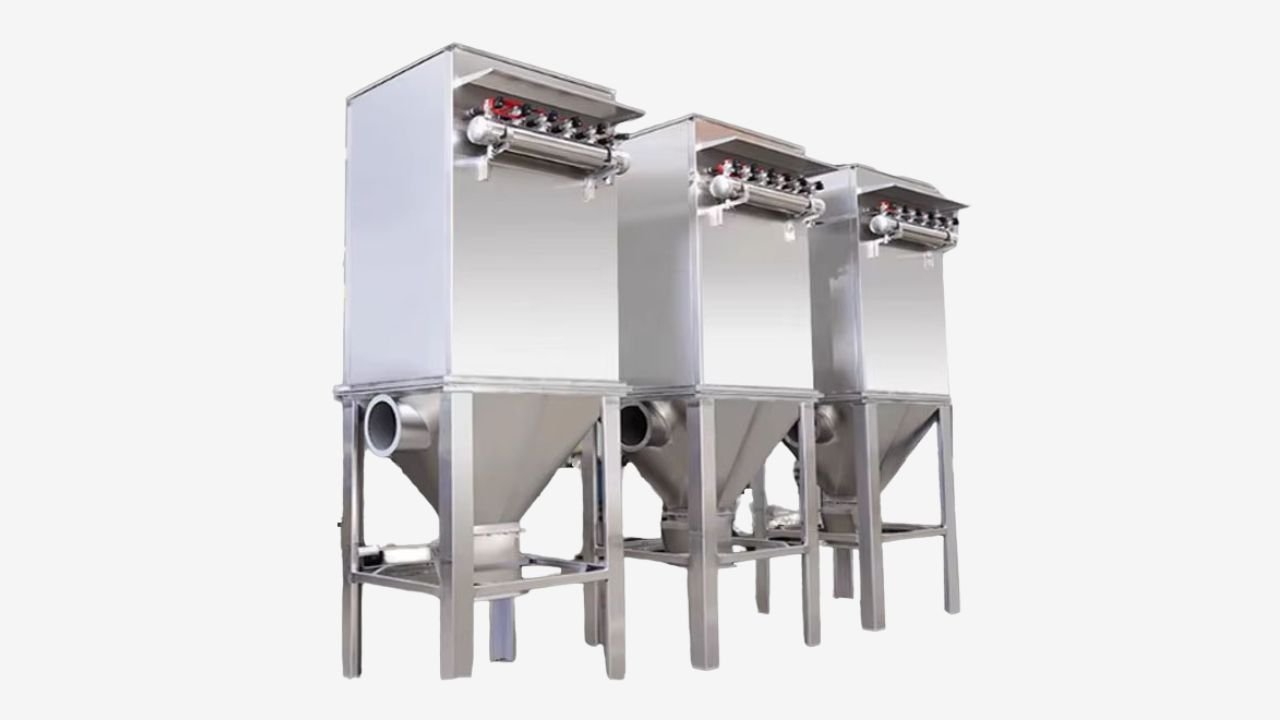
· Which Materials Can a Dust Collector Capture?
Dust collection systems are a must-have in multiple industries. In fact, they are part of the requirements stipulated in facilities such as chemical processing industries and woodworking workshops. They get rid of dry and moist dust particles irrespective of the particle size. They also remove fumes, soot, metal shavings, wood chips, and odors, among others.
· How Often Should You Replace Your Dust Collection System Filters?
It is advisable to continually check on your dust collection system filters and replace worn-out ones as soon as possible. However, most filters, if well-taken care of, can last for 6 to 12 months, meaning you can go up to a year without replacing your filters.
Partner with FanQun for all your Dust Collectors from China
With over 10 years designing and manufacturing dust collectors in China, FanQun strives to ensure the highest air purification in all industrial systems. At FanQun, we design every dust collector according to the unique and specific requirements of our clients – Download our dust collector catalogue now.