
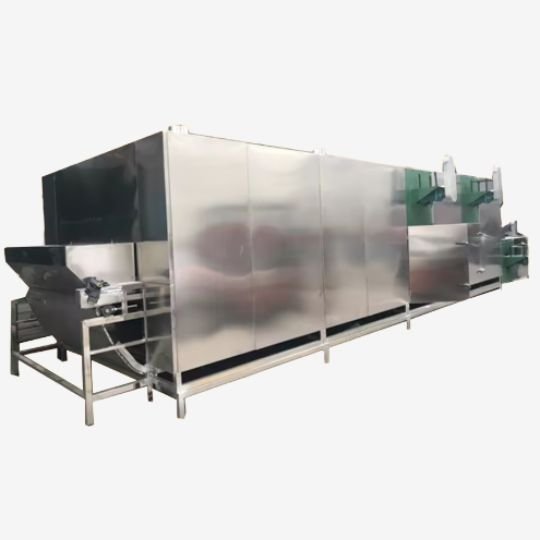
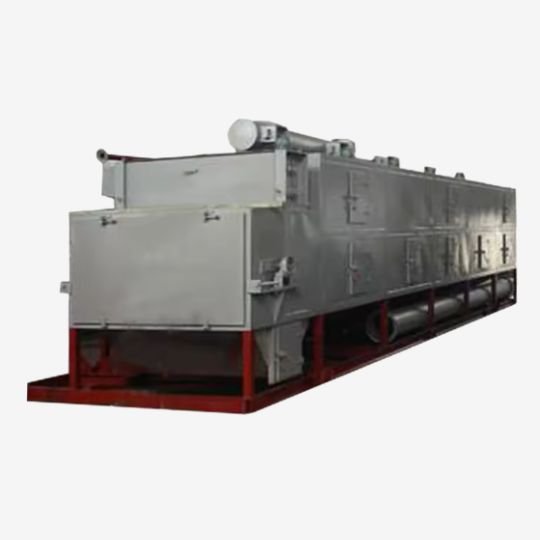
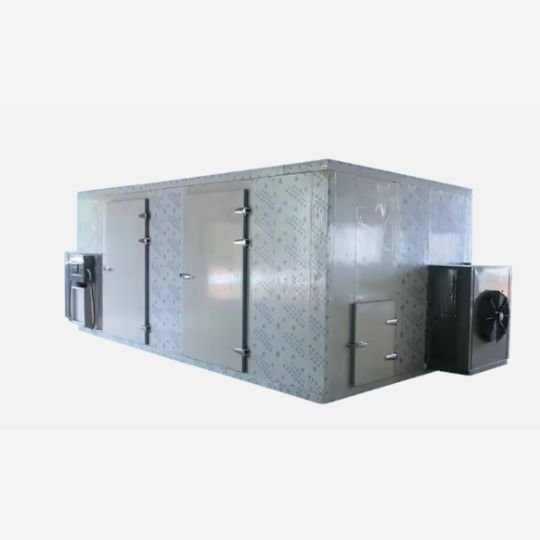
Features of FANQUN Vegetable Dehydration Belt Drying Line
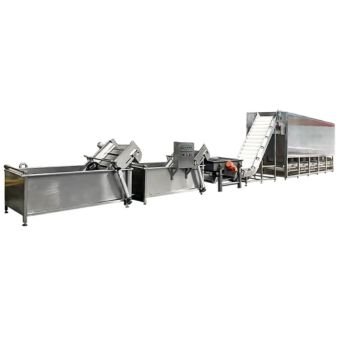
FANQUN is committed to deliver your food processing plant with a stable and efficient vegetable dehydration belt dryer line, achieving continuous processing from slicing and drying to finished product output.
- Precisely control drying parameters such as drying area, airflow, and temperature.
- Handle different vegetables including leafy greens and root vegetables.
- Adopt washdown-ready design, stainless steel contact materials to meet food industry requirements.
- Support customized vegetable dehydration belt drying line solutions based on your production.
- Offer installation guidance, commissioning optimization, operator training, and maintenance.
DFQ-DW-SC Vegetable Dehydration Belt Drying Line
It is a chamber constructed drying machine. In the drying chamber, we are equipped with multiple conveying belts. Those conveying belts move in the drying chamber. Wet material will uniformly separate on the first layer of the mesh bell. After the action ofchains, wet material transferred from the first layer to the second layer. After conveyingand heat exchanging in different layers, wet material is dried and finally drop onthe last layer.
Air flow is counter-current: high temperature and low moisture air is blowing frombottom layer to upper layer andcomes into contact with wet material. When hot air comes into contact with material, it will absorb moisture inside and remove the moisture out of dryingchamber by the exhaust fan.
It is full automatic and continuous operating drying machine, in which rawmaterial will turn over during falling down to next conveying belt, which will ensure of uniformly drying result.
Low labour consumption and good working conditions. This type of mesh belt dryer is also easy to maintain. Bottom of the machine is designed with the swash plate and fast blanking cleaning door open, easy to clean inside thepowder
A custom voltage with a 1.1kW power food processing vegetable dehydrating machine with a customizable size and dimensions.
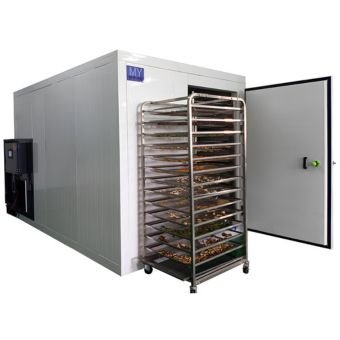
A high quality 2.2kW power PLC component vegetable production line dehydrating machine with an energy saving feature.
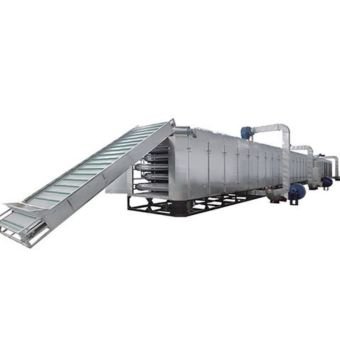
A customizable kW power and customizable voltage automatic and multifunctional vegetable mesh belt drying machine with a stainless steel material.
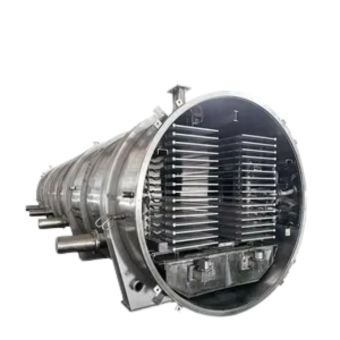
An automatic low consumption yet high efficiency automatic 380V and 22kW power vegetable drying equipment with a large maximum production capacity.
A custom kW power and a 380V multi-layer mesh belt dryer for vegetables that is made with high quality 306 stainless steel material.
A custom voltage and custom maximum capacity industrial air heated vegetable belt dryer with customizable size and dimensions.
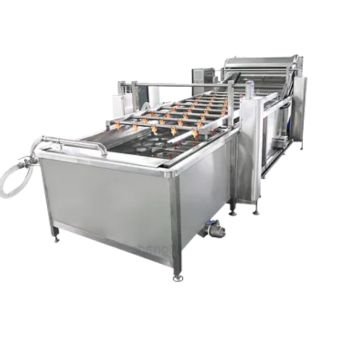
A new technology energy saving easy control vegetable drying machine with 19kW power and a 380V.
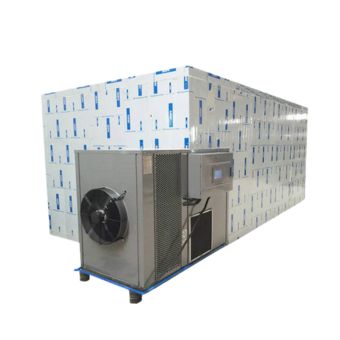
A wholesale factory direct safe and reliable vegetable drying machine with a stainless steel material and a 220V and a 5.5kW power.
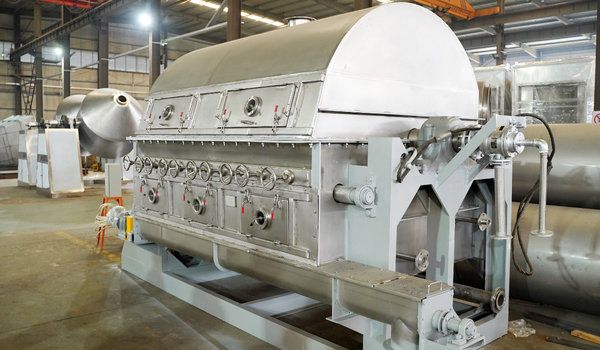
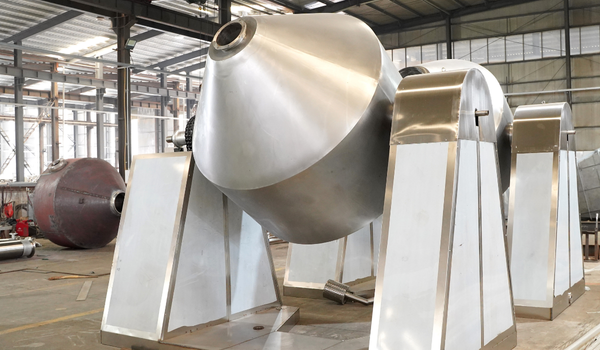
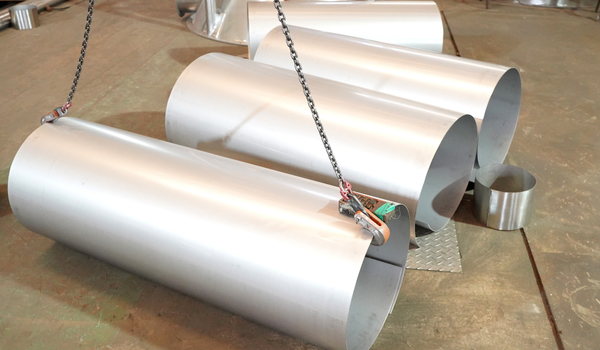
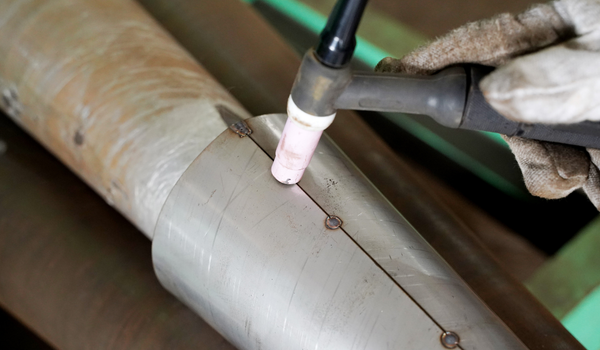
- Our Factory
- Technical Parameters
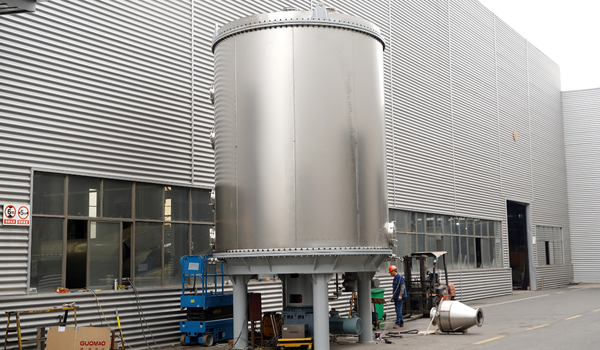
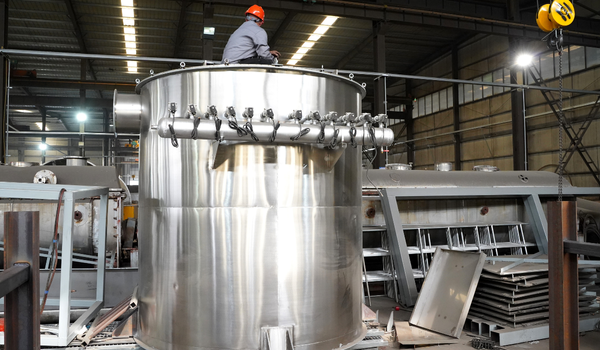
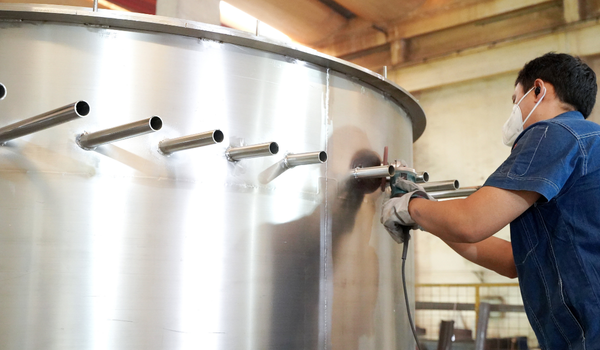
Working Principle of FANQUN Vegetable Dehydration Belt Drying Line
The vegetable dehydration belt drying line is a continuous and multi-layer hot-air drying system. Materials enter the drying chamber layer by layer via a conveyor belt, and then undergo gradual dehydration in a stable, controllable hot-air environment.
Even Distribution: Vegetables are evenly spread onto stainless steel mesh belts by a feeder. The mesh belts typically use 12-60 mesh stainless steel wire mesh.
Segmented Drying: The dryer usually consists of multiple independent hot air circulation units, each equipped with its own fan, heater, and ductwork to circulate hot air vertically or horizontally. Through counterflow or parallel flow, hot air fully contacts the vegetables, accelerating moisture diffusion.
Types of Vegetable Dehydration Belt Dryer
Mesh Vegetable Dehydration Belt Dryer
Mesh vegetable dehydration belt dryer is the most widely adopted belt dryer structure in the vegetable processing industry. It is usually designed with multi-layer or multi-section combinations and can stably handle various material forms such as sheet-like, strip-like, dice-like or granular.
It adopts a wide process window and has strong adaptability. You can adjust the drying curve through zoned temperature control, belt speed adjustment and independent circulation air path to meet the target moisture content and color requirements of different vegetables.
Heat Pump Vegetable Dehydration Belt Dryer
Heat pump vegetable dehydration belt dryer takes steam electric heating and natural gas as heat sources and achieves high-efficiency heating through refrigerant circulation. Its energy consumption can be reduced by 30-50% compared to traditional one.
Its heat pump systems are suitable for food factories that are sensitive to energy consumption or located in areas with high energy costs. You can also use this dryer applied in scenarios where vegetables are sensitive to temperature and it is desired to maintain their natural color and flavor during dehydration.
Multi-layer Vegetable Dehydration Belt Dryer
This belt dryer features multiple layers of independently operating mesh belts. Each layer is processed in the same drying chamber with different air volumes and temperatures, which can significantly enhance the evaporation capacity per unit area.
If you need the machine running continuously for 24 hours or you hope to expand production capacity within a limited factory area, a multi-layer belt structure is usually a more economical and efficient choice.
Vacuum Vegetable Dehydration Belt Dryer
This machine dried vegetables in a vacuum environment (less than 100 mbar). It achieves low-temperature dehydration by lowering the boiling point of water, and keeping the material temperature below 60℃. This can significantly reduce the loss of nutritional value and keep the nutrient retention rate above 95%.
Vegetable dehydration belt dryer is particularly suitable for high-value-added vegetable raw materials, such as functional vegetable powder, high-end premixes, small-batch and multi-batch production, or sensitive materials with extremely high requirements for color retention. If you aim to obtain higher-quality dehydrated products while maintaining nutrients and active ingredients, vacuum belt dryers would be a more advantageous process option.
Parts of Vegetable Dehydration Belt Dryer
Pretreatment System
The pretreatment system typically includes processions such as cleaning, cutting, grading, blanching, and draining to ensure that vegetables have a stable initial moisture content and shape consistency before entering the drying section.
If vegetables are leafy, root or have different thicknesses, you can integrate with adjustable slicing equipment and continuous blanching machines to enhance drying efficiency and ensure color stability.
Conveyor Belt
This is the main component for passing vegetables through the drying chamber. It is usually made of food-grade stainless steel or heat-resistant mesh materials and features a multi-layer structure to enhance production capacity. The belt moves materials at a controlled speed, extends the drying time, increases production capacity, and the anti-sticking mesh belt reduces material loss.
If it is sticky vegetables, the mesh belt can be treated with an anti-sticking coating to reduce your wall sticking and loss.
Heating System
The heating system can use electric heating, steam, natural gas or hot blast stoves as heat sources, and the temperature control range is usually between 80 and 140°C.
This line can be equipped with a PID temperature control system with an accuracy of ±1°C, which is able to set a more precise hot air temperature according to the different vegetables’ dehydration characteristics, while offering you a constant drying temperature.
Air Circulation System
The air circulation system is composed of high-efficiency fans, air distributors and independent air ducts, which is used to circulate hot air throughout the drying chamber. This system increases the circulating air volume to accelerate the discharge of moist air and enhance the evaporation rate.
Moreover, its wind pressure and wind speed can be adjusted as you need. It provides uniform heat exchange even for vegetables of different thicknesses or shapes. And each layer of the mesh belt can be equipped with an independent hot air distributor to avoid local temperature differences.
Cooling System
After the drying process, the vegetables enter the cooling section, which usually takes 10 to 30 minutes to decrease the temperature to less than 40°C to avoid damping or caking.
Finished Product Collection System
The dried vegetables are screened by a screening machine to remove fine particles and impurities, which can give you a finished product qualification rate over 98%. And then it enters a closed collection device.
Control System
The control system usually takes PLC with touch screen control to realize real-time monitoring and recording of key parameters such as temperature, belt speed, humidity, air volume and air pressure.
You can set multiple drying programs, which are suitable for process switching of different vegetable types
Auxiliary System
Cleaning system: It adopts food-grade spray pipelines and a design without dead corners, which meet GMP hygiene requirements and is suitable for multi-variety production change scenarios. It controls the cleaning cycle within one hour, significantly enhancing cleaning efficiency and reducing the risk of cross-contamination.
Heat exchanger: The waste heat of the exhaust gas is recovered through the heat exchanger, with a recovery efficiency over 60%. The heat can preheat the fresh air to lower your productions’ overall energy consumption.
Safety protection devices:The safety devices including over-temperature alarm, fan overload protection, emergency shutdown, access control interlock device and so on. For processing scenarios with high levels of dust, you can configure explosion-proof structures.
Vacuum device: It can lower the boiling point of water in a low-pressure environment to achieve low-temperature and high-quality dehydration, always applied in vacuum belt dryers. It is often used for drying high-value vegetable powder, functional foods or highly active raw materials.
Advantages of FANQUN Vegetable Dehydration Belt Drying Line
High Evaporation Intensity
It achieves stable large-scale continuous dehydration treatment through multi-layer large-area drying zones design, which is very suitable for industrial-grade vegetable processing factories. Its high evaporation intensity helps to enhance your output efficiency per unit of energy consumption.
Save Space
The belt dryer takes up a compact area and can be installed horizontally according to the factory layout, improving your space utilization. It is suitable for production environments with limited space.
Uniform Drying
It can provide you with consistent hot air contact conditions for each batch of materials by the continuous and uniform movement of the conveyor belt, in combination with the zoned temperature-controlled hot air system. Its CV value of the drying uniformity is less than 5%, effectively avoiding local over-drying or insufficient drying.
Highly Automated
The entire line can realize continuous automatic feeding, even distribution, drying, dehumidification, discharging and temperature control monitoring. They are also equipped with a PLC and HMI system to reach the formula management of process parameters and reduce the reliance on manual labor.
High Hygiene Standards
The vegetable dehydration belt drying line is made of food-grade stainless steel and can be paired with an automatic CIP cleaning system for convenient regular maintenance. You even can choose a closed drying environment, which can effectively prevent external contamination and ensure the hygiene and safety of vegetable processing.
Handle Different Vegetables
You can independently adjust the number of drying units, the number of mesh belt layers, the belt speed, the inlet and outlet air temperatures and humidity. This could help you to process the dehydration requirements of different vegetables, such as spinach, carrots, onions, mushrooms, green beans, sweet potato chips, and so on.
Low Energy Consumption
This line adopts optimizing the hot air circulation system, enhancing heat exchange efficiency and reducing the temperature loss of exhaust air to significantly reduce the operating energy consumption. If your factories are sensitive to energy consumption, a waste heat recovery system can be optionally equipped to further reduce costs.
High Quality Drying
The lines’ Lower operating temperatures and multi-stage temperature control can effectively protect vitamins, antioxidants, natural pigments and aroma components, and prevent excessive surface oxidation. For some highly sensitive raw materials, low-temperature or vacuum belt drying can be adopted to improve product quality.
Longer Shelf Life
The vegetable dehydration belt drying line achieves thorough dehydrating to decrease the moisture content to a safe level. This could inhibit the growth of microorganisms, significantly extend your final products’ shelf life and make long-term storage and packaging for sale more easily. At the same time it will lead to a lower raw material loss.
Technical Specifications of vegetable dehydration belt drying line
| Type | Belt Dryer | Primary Material | 304,316L |
| Dried Powder Collecting | ≥ 95% | Machinery Test Report | Provided |
| Heating Method | 80 ℃ -140℃ | Voltage | Can Be Customized |
| Drying Time | 30-180min | Control System | Usually PLC |
| Drying Uniformity | ≤ 5% | Warranty | 1 year |
| Heating Method | Gas ,oil,electric ,steam Heating |
How to Choose the Vegetable Dehydration Belt Drying Line
Vegetable Types
Different vegetables vary greatly in tissue structure, water mobility and heat sensitivity.
For example, root and stem plants have a high density which usually require your machine to have stronger air volume and a higher temperature zone.
Drying Parameters
The actual drying process parameters usually include temperature, drying time, air volume, air direction and material thickness.
To better handle diverse material varieties, it is recommended to give priority to choosing a drying line configuration with multi-stage temperature zones, adjustable air volume distribution, and multi-layer mesh belts to improve your procession adaptability for different raw materials and reduce the downtime caused by frequent adjustments.
Production Capacity
Production demand will directly affect your selection for the ayers’ number, the mesh belt’s width, the configuration of the fan and the overall length of the machine. Generally speaking, small-batch production mostly adopts a 1 or 2 layer structure, while the large-scale production capacity typically uses a 3-5 layer structure, and is equipped with wider conveyor belts and higher circulating air volume.
No matter if you plan for small-batch or continuous large-batch production, it is necessary to reserve approximately 20% of production capacity as a margin to cope with future expansion demands.
Energy Consumption
In the belt drying lines’ operating costs, energy usually accounts for the highest proportion. It is common to install a heat recovery device and zone temperature control system to lower your energy consumption of exhaust ventilation.
The vegetable dehydration belt drying line can provide you with stable, continuous and efficient dehydration capacity. You can flexibly handle different types of vegetables and get the finished products with the consistent texture, color and moisture content. And this line can keep long-term continuous production.
If your requirements need high output, low energy consumption or higher demands for product quality (such as low-temperature or vacuum dehydration), FANQUN can also deliver corresponding process combinations and customized solutions to help you reduce operating costs and enhance your final products’ market competitiveness.
This belt dryer is suitable for leafy vegetables, root vegetables , fruit and vegetable slices, mushrooms, and mixed vegetable granules commonly used in dehydration plants.
In addition, if your production line involves other agricultural products like Chinese herbs, fruits, chili peppers, or pre-dried materials for pet food, this belt dryer is also useful.
Typical vegetable dehydration products’ target moisture content can be controlled between 5%–12%.
When FD freeze-drying pretreatment or further grinding is required, the outlet moisture content can be optimized based on target water activity and product characteristics to more precisely match your subsequent processing standards.
The overall line capacity typically ranges from 300 kg/h to 5,000 kg/h.
If you plan to scale up to larger capacities, we can offer a higher evaporation rate by increasing the mesh belt width, adding layers, or extending the drying section length.