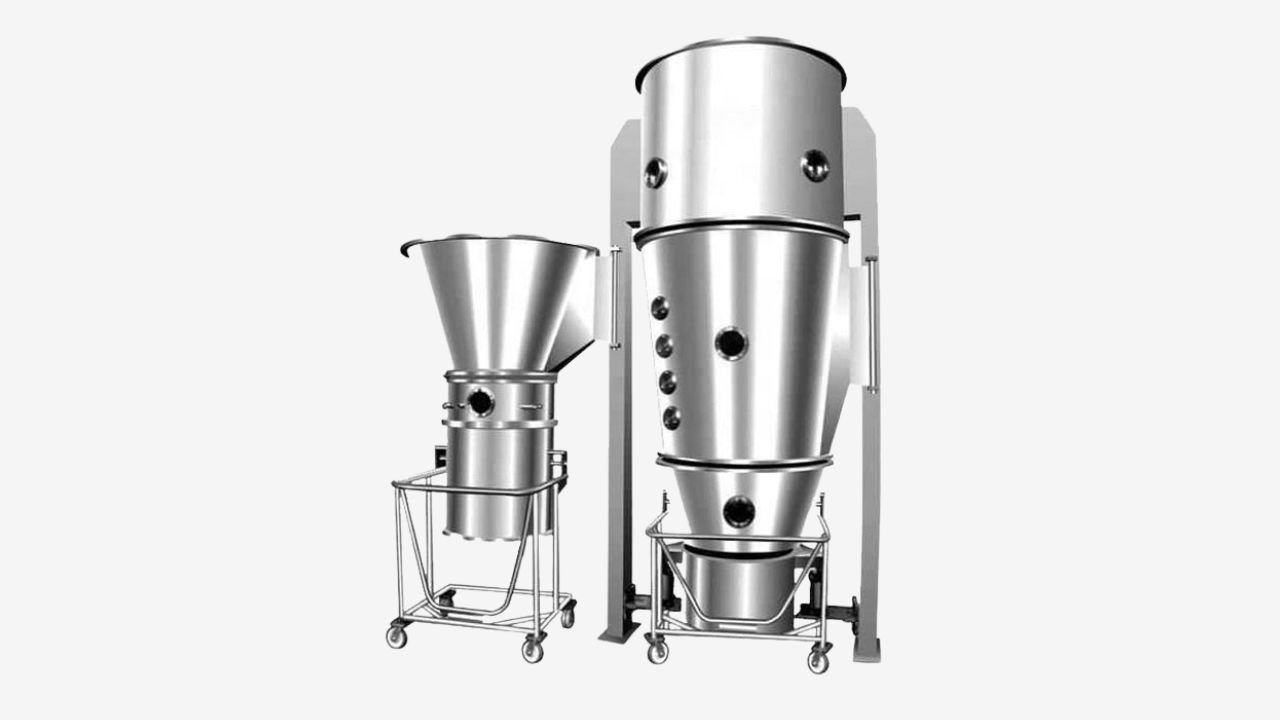
For a food manufacturer or drug handler, you know that your choice of drying methods plays a big role in your end product. And yes, choosing between vacuum drying and freeze drying determines the value of your product as the outcomes of both differ.
In this article, you will learn more about what each is about. From here, you’d know exactly which drying method is best for your application.
What Is Vacuum Drying?
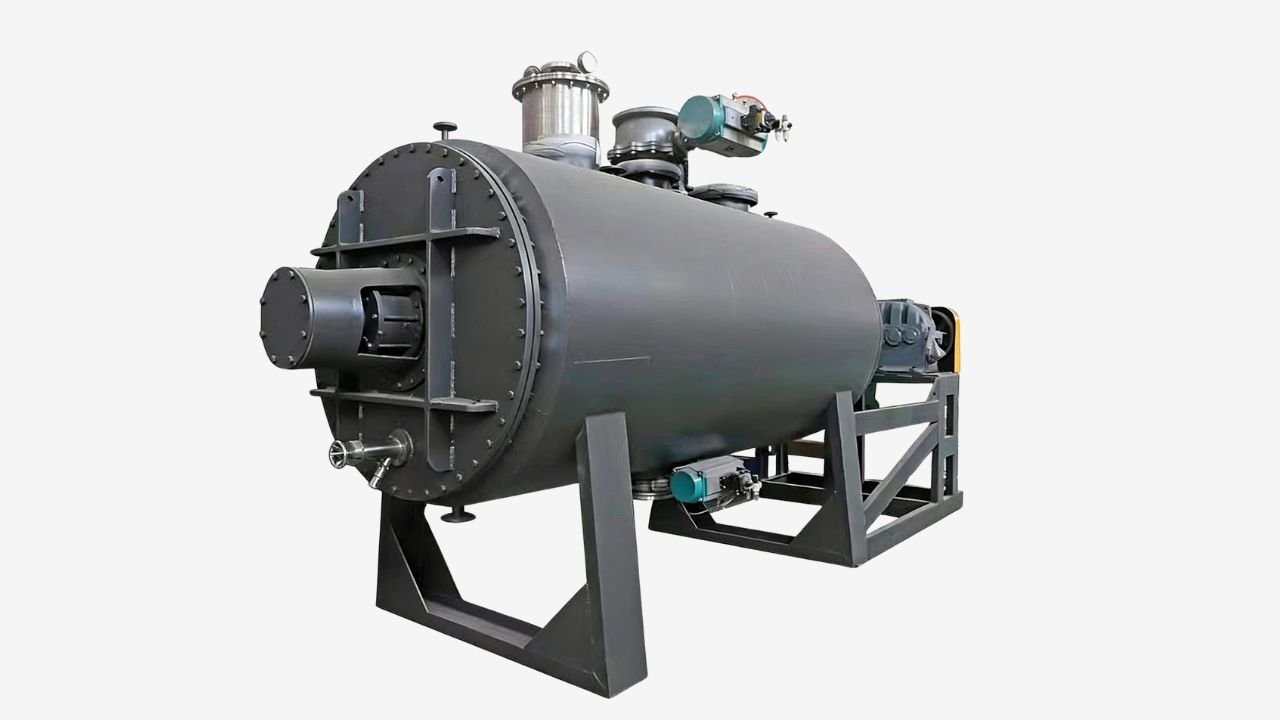
Vacuum drying is a low-pressure form of dehydration. Vacuum drying allows the moisture in the substance you are drying to evaporate at a low pressure by dropping its boiling point.
To simplify this, think of a vacuum cleaner. You know how a vacuum cleaner takes off dirt from a carpet using suction? A vacuum dryer works similarly. Only this time, it reduces the boiling point of the moisture in what you are drying. That way, the drying material dries faster without you exposing it to high heat.
Several industries, including food processing industries and pharmaceuticals, use the vacuum drying method for many reasons. Some of these reasons are:
- Vacuum drying only takes shorter drying cycles
- It is easy to manage when drying heat-sensitive materials
- It is cost-efficient
- It dries extracts, powders, and granules somewhat better.
What Is Freeze Drying?
You need to know that freeze drying may also be called lyophilization.
That being said, freeze drying is a precise drying method.
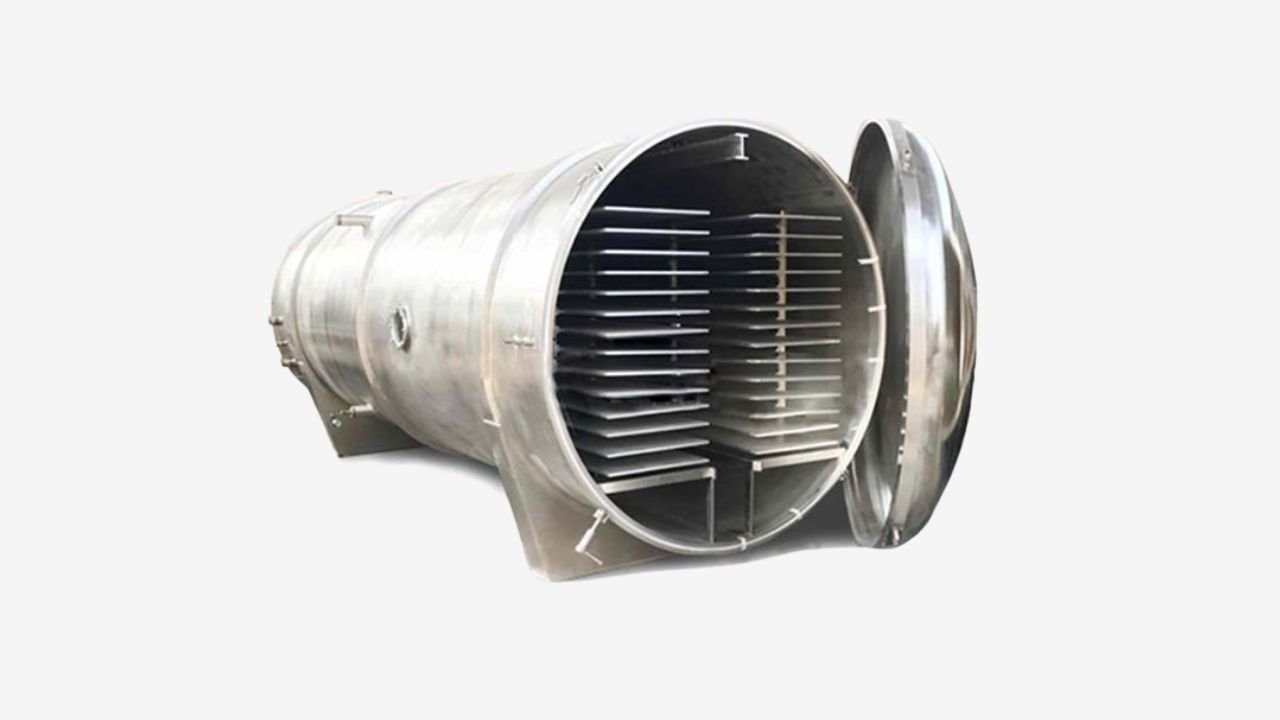
So freeze drying works this way; first, the freeze dryer freezes the product. After freezing your product, the freeze dryer removes the ice through sublimation.
(Sublimation is a process that involves converting solid ice into vapor under vacuum conditions.)
While freeze drying works in vacuum conditions, it is not in any way a vacuum dryer. Nevertheless, the freeze-drying process retains the structure, aroma, and active compounds. In fact, freeze-dryers do this way better than any other method of drying.
Pharmaceutical, dermatological, food, and many other industries use the freeze-drying method too. They use this method when they:
- Need to retain the drying product shape, activity, smell, and potency
- Want to elongate the shelf life of the product
- Need to improve the shelf life of the material to be dried
- Want to improve the aesthetic appearance of the product going through the drying process
Key Differences Between Vacuum Drying vs Freeze Drying
| Differing Criteria | Vacuum Drying | Freeze Drying (Lyophilization) |
| Process mechanism
| Evaporates moisture from drying materials under low pressure. | Freezes the substance and sublimates ice into vapor. |
| Exposure to temperature? | Only subject the material to moderately low temperatures that are relatively lower than the boiling points of the substance you are drying. So the temperature ranges from 20°C to sometimes over 100°C for some materials. | First freezes the material to a temperature that may be as low as -80°C. Then it raises the temperature to sometimes around 40°C for secondary drying to complete. |
| The time it takes to dry | Fast | Slower due to the series of processes involved |
| Product structure and texture after drying | May collapse or appear shrunken | Often looks almost the same and is fully preserved. The material, however, remains porous and has a lighter weight after drying. |
| Energy consumption | The process is faster, so it consumes less energy | Consumes more energy |
| Cost of equipment and skill of operation | It is more affordable | Expensive to buy and operate |
| Outcome of shelf life | Good | Excellent and one of the most reliable |
| Color appearance | Only a slight (sometimes not very noticeable) color change | Similar to what was brought in |
| Rehydration ability? | Moderate and it results in a denser product | Fast and complete because the sublimation process leaves more room for rehydration |
| Operational Efficiency | High turnover of products due to its shorter cycles | Longer batch cycles but gives you a more quality output |
| Best suitable for what industries? | Large-scale food processing industries, chemicals, herbs production, etc. | Pharmaceuticals, nutraceuticals, premium food-processing industries, and so on |
So, Which Drying Method Is Best for Each Application?
| Application | Best Method | Why? |
| Fruits, vegetables, coffee, chips, and snacks | Freeze Drying | Retains the texture, color, and flavor of the food |
| Bulk food ingredients, food condiments and spices, and food or herbal powders | Vacuum Drying | Faster, more cost-effective and it dries powders better |
| Vaccines, injectable drugs, and protein-based biologics | Freeze Drying | Does not kill the active ingredient, and it retains the potency, structure, and stability of the biologics |
| Pharmaceuticals and granules | Vacuum Drying | They can tolerate the moderate heat, and the output is high |
| Heat-sensitive and structure-sensitive materials | Freeze Drying | Preserves active compounds without altering their potency or structure. The drying environment is gentle too |
| Protein-based cosmetics and herbal extracts | Freeze Drying | Retains potency and structure |
| Bulk chemicals and industrial materials | Vacuum Drying | Cost and time-efficient |
| When you are considering your budget? | Vacuum Drying | Equipment and operational costs are less expensive |
| Scale of production | Vacuum drying or Freeze Drying | For large production scale, go for vacuum drying For a smaller production scale, go for freeze drying |
FAQs
Which is faster, vacuum drying or freeze drying?
Vacuum drying is faster, and you completely dry your materials within a fraction of the time it will take for freeze drying.
Is freeze-drying worth the higher cost?
Oh, yes, freeze drying is absolutely worth it, especially if you handle premium and heat-sensitive products. Also, if you deal with a product that should have a long shelf life and structural integrity, then this works.
Can vacuum drying replace freeze drying?
Yes, you can use vacuum drying instead of freeze drying for drying powders, extracts, and stable materials. But, you can’t use vacuum drying for biologicals, probiotics, or other products that need high porosity.
Which method is best for heat-sensitive materials?
Freeze drying is better for heat-sensitive environments for many reasons. Beyond the many, it provides the gentlest environment and best retention of active compounds.
Do freeze-dried products last longer?
Yes, freeze-dried materials have the longest shelf life because upon drying, they only have a low residual moisture.
What industries use vacuum drying vs freeze drying?
All drying industries use vacuum drying and freeze drying, but the things they dry with the drying equipment differ.
For vacuum drying, manufacturers of food ingredients, snacks, chemical powder, and bulk herbal extracts will benefit more. For freeze drying, manufacturers in the pharmaceuticals, skincare actives, fruits, biologicals, and probiotics will benefit more.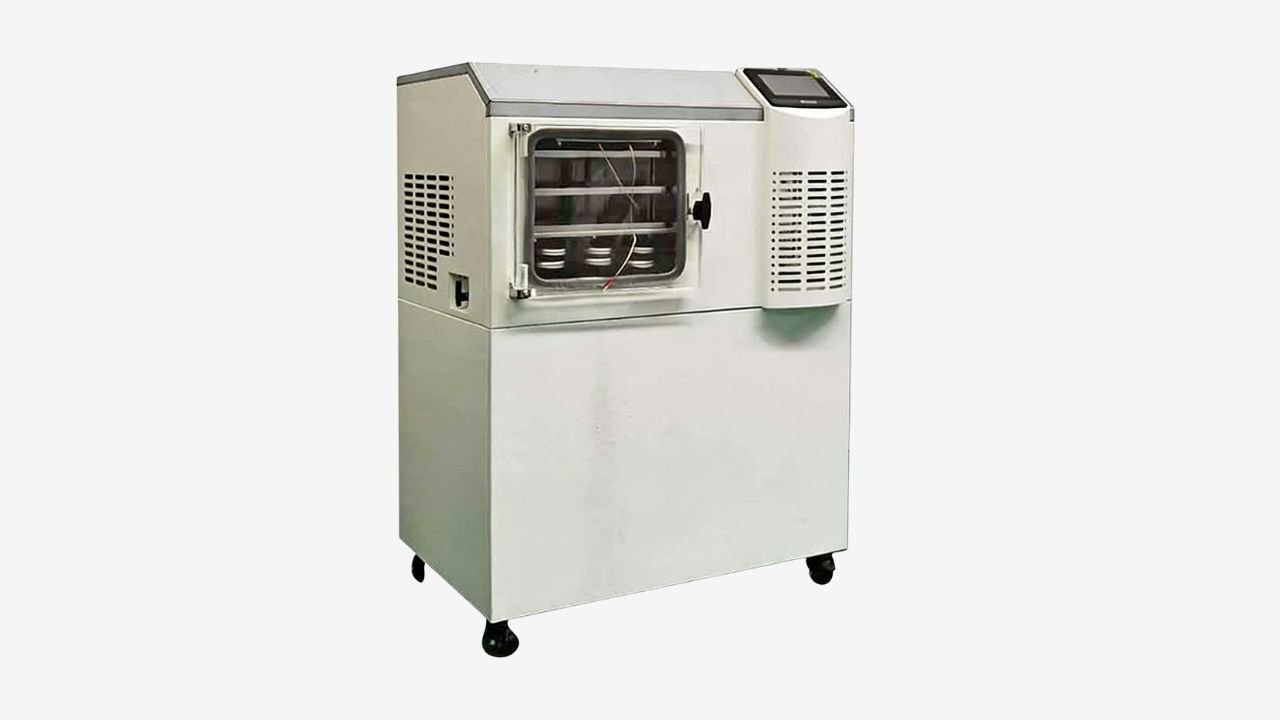
Why Choose FanQun
At FanQun, you will get world-class vacuum dryers and freeze dryers engineered with control systems to be energy efficient. We are committed and consistent in delivering high-quality drying results to you every time.