
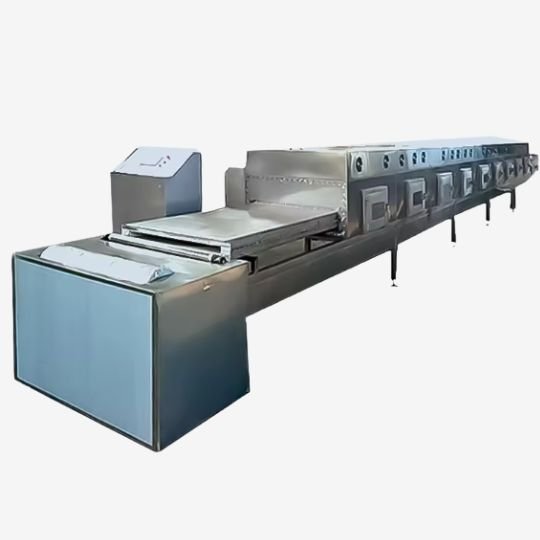
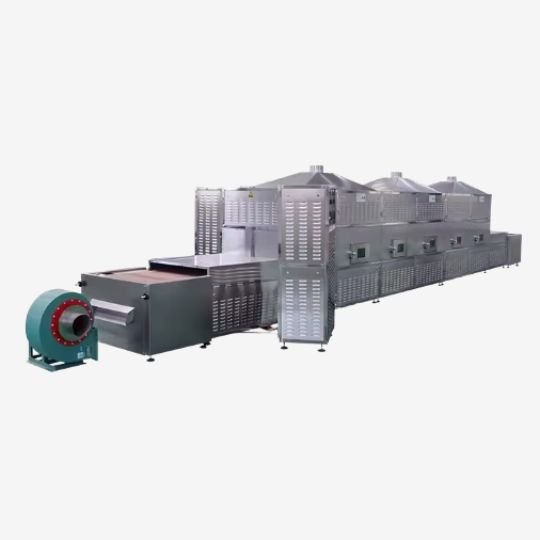
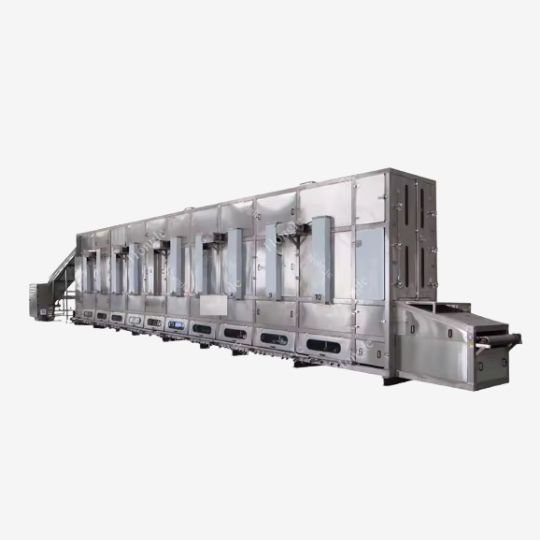
Features of Vacuum Belt Dryers
Vacuum belt dryers are the ideal choice for the continuous drying of large batches of temperature-sensitive materials, easily oxidised materials, and similar substances.
- Vacuum belt dryers are an excellent choice for low-temperature drying.
- Vacuum belt dryers enable continuous drying.
- Vacuum belt dryers demonstrate outstanding performance in meeting hygiene standards.
- Jiangsu Fanqun Drying Equipment Factory possesses over 25 years of experience in vacuum belt dryer production.
- Jiangsu Fanqun Drying Equipment Factory is IS09001 certified manufacturer.
DFQ-DW-ZK Vacuum Belt Dryer
It is chamber constructed drying machine. In drying chamber, we equipped with multiple conveying belt. Those conveying belts move in drying chamber. Wet material will uniformly separate on first layer of mesh belt. After the action of chains, wet material transferred from first layer to second layer. After conveying and heat exchanging in different layers, wet material is dried and finally drop on the last layer.
Air flow is counter current: high temperature and low moist air is blowing from bottom layer to upper layer and contact with wet material. When hot air contact with material, it will absorb moist inside and remove the moisture out of drying chamber by exhaust fan.
It is full automatic and continuous operating drying machine, in which raw material will turn over during falling down to next conveying belt that will ensure of uniformly drying result.
Low labor consumption and good working condition. This type of mesh belt dryer is also easy for maintenance. Bottom of the machine is designed of the swash plate and fast blanking cleaning door open, easy to clean inside the powder.
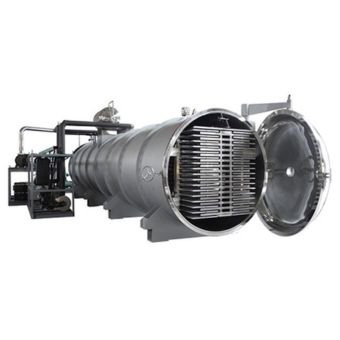
A PLC core component vacuum belt dryer for fruits with 8kW power and customizable voltage available.
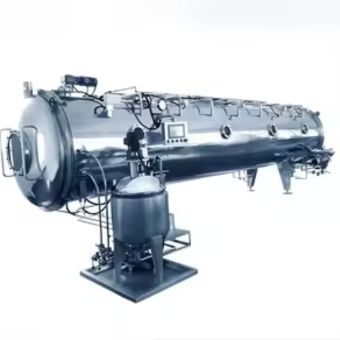
An automatic rotary vacuum belt drying machine with a high drying capacity and customizable voltage.
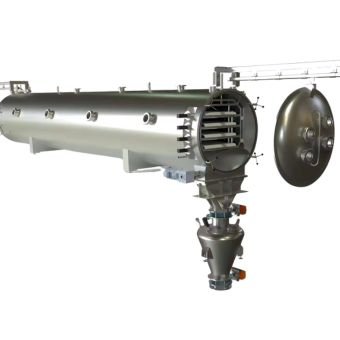
A mesh belt vacuum drying equipment with multifunctional and automatic features and is made with high quality stainless steel material.
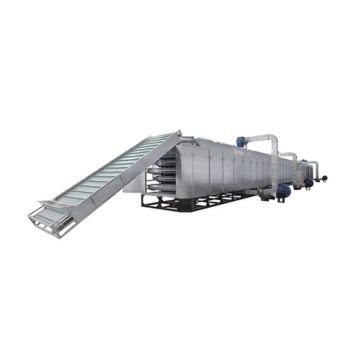
A custom heating method rotary vacuum belt drying equipment for grains and nuts with a custom voltage and kW power available.
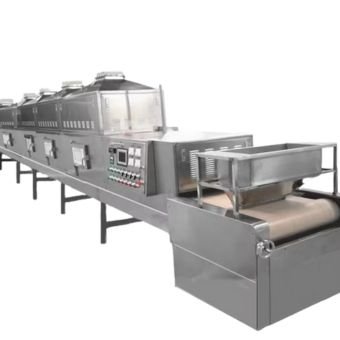
An automatic custom voltage and kW power industrial horizontal vacuum belt dryer that is made with high quality stainless steel material and has a high drying efficiency.
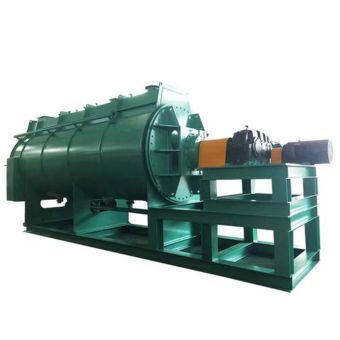
A custom material continuous vacuum belt dryer for chemical and food processing with an energy saving feature.
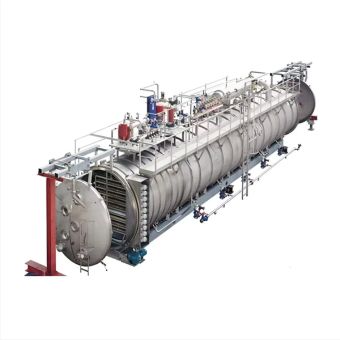
A gas heating method food and chemical processing multi material vacuum belt drying machine with custom voltage available.
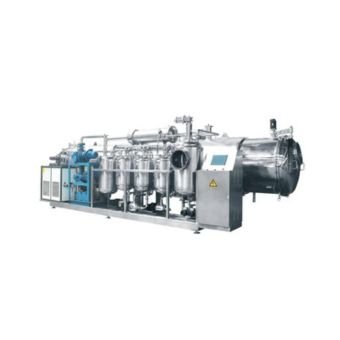
An automatic high drying efficiency powder vacuum belt drying equipment with custom voltage and kW power and is made with high quality carbon steel material.
- Our Factory
- Technical Parameters
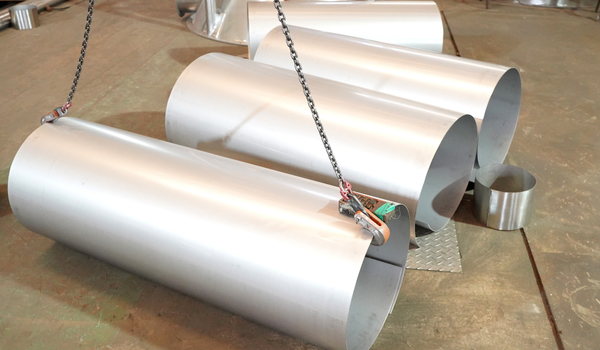
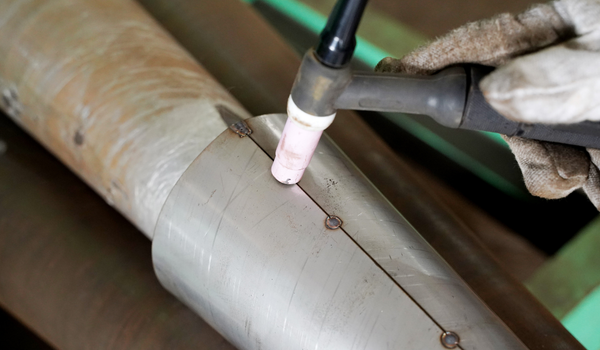
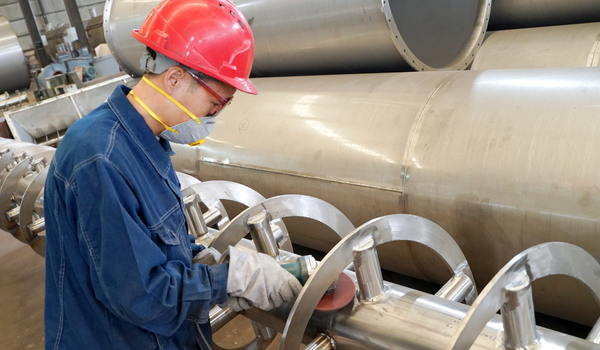
| Model | DM-1.2-8 | DM-1.2-10 | DM-1.6-8 | DM-1.6-10 | DM-2-8 | DM-2-10 | DM-2-20 |
| Unit number | 4 | 5 | 4 | 5 | 4 | 5 | 10 |
| Belt width (m) | 1.2 | 1.2 | 1.6 | 1.6 | 2 | 2 | 2 |
| Drying section length (m) | 8 | 10 | 8 | 10 | 8 | 10 | 20 |
| Thickness of the material to be covered (mm) | ≤60 | ||||||
| Temperature (°C) | 50~140 | ||||||
| Steam pressure (MPa) | 0.2~0.8 | ||||||
| Steam consumption (kg/h) | 130~300 | 150~375 | 150~375 | 170~470 | 180~500 | 225~600 | 450~1200 |
| Drying time (h) | 0.2~1.2 | 0.25~1.5 | 0.2~1.2 | 0.25~1.5 | 0.2~1.2 | 0.25~1.5 | 0.5~3 |
| Drying capacity (kg/h) | 60~160 | 80~220 | 75~220 | 95~250 | 100~260 | 130~300 | 240~600 |
| Total power of the equipment (kW) | 11.4 | 13.6 | 11.4 | 13.6 | 14.7 | 15.6 | 36.8 |
| Overall dimensions (m) | 9.56×1.49×2.3 | 11.56×1.49×2.3 | 9.56×1.49×2.3 | 11.56×1.49×2.4 | 9.56×2.32×2.5 | 11.56×2.32×2.5 | 21.56×2.32×2.5 |
| Weight (kg) | 4500 | 5600 | 5300 | 6400 | 6200 | 7500 | 14000 |
What is the Vacuum Belt Dryer?
The vacuum belt dryer is a drying apparatus that employs a conveyor belt system to continuously transport and dry materials within a vacuum environment. This conveyor belt system enables continuous operation, enhancing drying efficiency compared to batch-type drying equipment. The vacuum environment permits drying at low temperatures, making it an ideal choice for processing temperature-sensitive materials.
Key Components of a Vacuum Belt Dryer
Conveyor Belt System
The conveyor belt ensures uniform distribution of various materials within the chamber and transports them throughout the drying process, enabling more consistent drying. You may adjust its operational speed to control the degree of material drying. You can also select the belt material according to the material type, ensuring resistance to high temperatures and vacuum environments while preventing damage to the material.
- PET Conveyor Belt: PET belts are food-grade, making them suitable for drying materials in the food industry. They also offer a lower cost.
- PPS Conveyor Belt: PPS is frequently employed for drying corrosive chemical products due to its resistance to most chemical agents, ensuring material safety.
- PTFE Conveyor Belt: PTFE belts are utilised owing to their exceptional high-temperature resistance (withstanding up to 190°C). Their smooth surface makes them the preferred choice for drying highly viscous materials.
Vacuum Drying Chamber
The vacuum drying chamber constitutes the primary area for the drying process. Maintained under vacuum to sustain a low-pressure environment, this reduces the boiling point of water within the material. Consequently, evaporation occurs at lower temperatures, thereby enhancing drying efficiency. The chamber is also hermetically sealed to ensure the vacuum conditions are preserved, creating a sterile environment that prevents contamination of the material.
Heating System
The heating system provides a continuous supply of heat to the drying process and transfers it to the material, enabling rapid evaporation of moisture. Heating methods may include steam, oil, electricity, or natural gas. You may also set the optimal heating temperature based on material properties, moisture content requirements, and efficiency considerations.
Exhaust System
Moisture emitted internally within the vacuum belt dryer must be promptly expelled. Otherwise, drying efficiency will diminish. You may equip the exhaust system with a condenser and cyclone separator to prevent material wastage and recover water vapour, thereby reducing energy consumption.
Feed System
The feeding system of the vacuum bag dryer incorporates a pump and distribution apparatus designed to convey material into the equipment and distribute it uniformly across the conveyor belt. This facilitates more efficient and even subsequent drying.
Discharge System
The discharge system is where the product exits after drying. A high-quality system ensures smooth material flow, prevents blockages, and minimises downtime. You may also connect the feed and discharge system to other processing equipment (such as crushing machinery or automated packaging systems) to optimise production lines and achieve continuous processing.
How Does a Vacuum Belt Dryer Operate?
Material Feeding
The feeding system of the vacuum belt dryer utilises pumps and distribution devices to uniformly place or spread moist material onto the conveyor belt. The belt then transports the evenly distributed material into the vacuum-sealed drying chamber. Continuous conveying minimises downtime and manual intervention.
Heat Transfer
The drying chamber is typically designed with multiple heating zones and heated by a system to the optimum drying temperature. Heat is transferred to the material, causing internal moisture to evaporate under elevated temperatures, thereby achieving drying. Concurrently, the exhaust system continuously removes and recovers water vapour to accelerate drying times and minimise energy consumption.
Product Discharge
The material undergoes uniform cooling under continuous conveyance and temperature control. Upon complete drying, the vacuum belt dryer discharges the dried material. Subsequent processing operations may then be performed on the finished product.
Why Choose a Vacuum Belt Dryer?
High Drying Efficiency
Conventional dryers typically operate in batch cycles, requiring the addition of fresh wet material after each drying cycle is complete. In contrast, vacuum belt dryers enable automatic feeding, with their conveyor belts ensuring continuous material supply. This significantly reduces downtime, particularly for large-scale drying projects, thereby shortening processing cycles. Furthermore, it minimises operator interference in the drying process, further optimising drying conditions to achieve faster drying rates.
Suitable for Multiple Materials
Whether dealing with solvents or slurries, high-viscosity materials or corrosive substances, the vacuum belt dryer proves equally effective. Constructed from food-grade materials, it excels in drying foodstuffs. Moreover, the sealed vacuum environment makes it an ideal choice for drying projects involving oxidation-prone materials or those highly sensitive to temperature. This ensures maximum material safety and stability.
High Hygiene Standards
On the one hand, the vacuum belt dryer operates in a vacuum environment with a fully enclosed drying chamber, effectively preventing contamination and creating a sterile environment. On the other hand, it is equipped with a CIP cleaning system, enabling automatic cleaning and reducing maintenance requirements. These features collectively meet your high hygiene standards.
Superior Energy Efficiency
Vacuum belt dryers enable moisture in materials to be evaporated at lower temperatures, resulting in reduced energy consumption by their heating systems. Furthermore, their integrated recovery systems allow water vapour to be reclaimed and reused, thereby further minimising energy expenditure and reducing carbon emissions.
Applications of Vacuum Belt Dryers
Food Industry
Most foodstuffs cannot withstand excessively high temperatures, which may cause spoilage, nutrient loss, or compromise flavour. Vacuum belt dryers are exceptionally well-suited for processing temperature-sensitive foods. They maintain sterile conditions to meet stringent hygiene standards. Their vacuum environment also prevents discolouration caused by oxidative reactions.
Biological and Pharmaceutical Industries
For those seeking suitable drying equipment within the biological and pharmaceutical sectors, vacuum belt dryers represent an ideal solution. Not only does it meet stringent parameter settings and hygiene requirements, but it also preserves the activity of cell cultures and pharmaceutical ingredients, ensuring the efficacy of medicinal and biological products.
Chemical Industry
Vacuum belt dryers withstand corrosive and oxidising chemicals common in chemical processing, such as catalysts and high-purity metals. Precise control over temperature and drying time delivers products meeting exact specifications. They also offer substantial efficiency gains during large-scale drying operations.
Jiangsu Fanqun Drying Equipment Factory boasts over 25 years of experience in manufacturing dryers, with products exported to the United States, Japan and numerous countries worldwide. Should you be seeking premium drying solutions, our vacuum belt dryers represent a dependable choice.
The conveyor belt must withstand high temperatures and resist vacuum conditions. It must also be durable, permeable to air and resistant to deformation. Should you be drying corrosive materials, corrosion resistance is also crucial.
Should the conveyor belt rupture, the vacuum belt dryer will activate its protective programme and cease operation. It is advisable to conduct regular inspections, maintenance, and replacement of the conveyor belt to ensure its service life.
This varies depending on the model. A vacuum belt dryer can operate at temperatures below 140°C.
Their fully enclosed design effectively prevents waste from escaping. Their discharge system also incorporates a recovery device capable of reclaiming material that might otherwise be lost through water vapour leakage.