
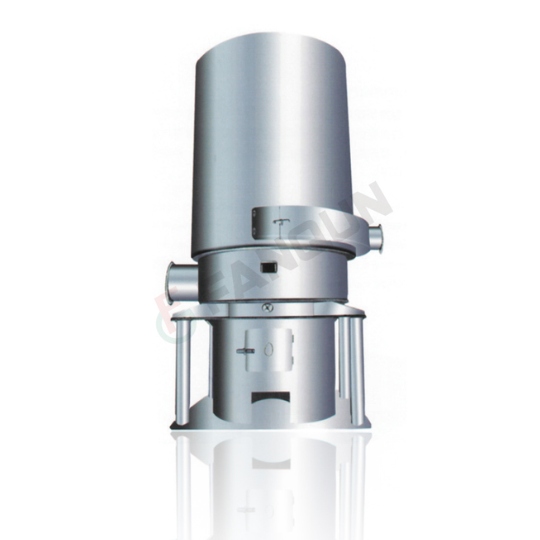
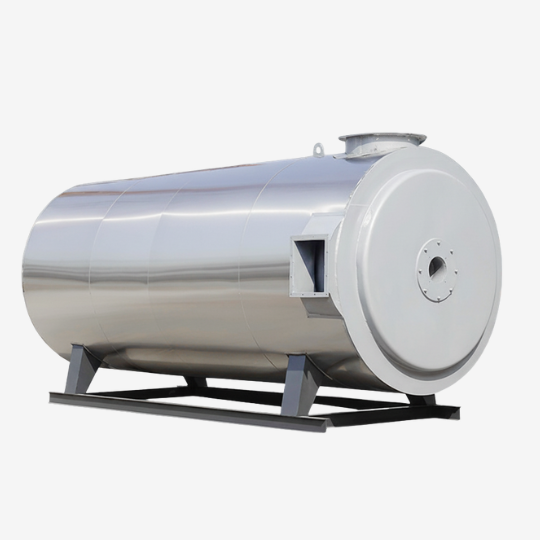
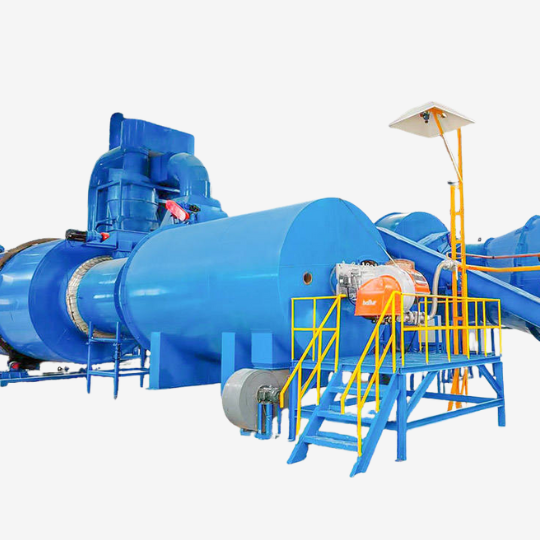
Features of FANQUN Gas Fired Hot Air Furnace
FANQUN gas fired hot air furnaces perform combustion and heat exchange together, providing a stable supply of hot air for your materials requiring drying.
- A thermal efficiency of over 92%, saving energy.
- The heat exchanger is made of 310S high-temperature resistant stainless steel, with a fatigue life exceeding 60,000 hours.
- An intelligent control system enables high-precision control and achieves unmanned operation of the workshop.
- Almost no harmful gases are exhausted, making it environmentally friendly and reducing subsequent maintenance costs.
- Safe and controllable gas pipelines certified by CE, explosion-proof and leak-proof.
JRFY series;JRFQ Gas Fired Hot Air Furnace
JRF (indirect), ZRF (direct)series of fuel, gas stove made by ourcompanys take light diesel oll, heavy diesel oil, natural gas, lique-fied petroleum gas, clty gas as the fuel ,as heat carrier, by fanstransport, energy supply heating equipment wil be speclal Industrial fumace.
Principle of JRFY series;JRFQ Gas Fired Hot Air Furnace
The fuel is burnt at frebox and the high temperature smoke is produced, The quanty of heat will conduct to air to be heated throughheat exchange device, Through heat exchange, the temperature of air Is dropped to less than 250C and the air will be dischargedthrough fan.
The alr to be heated Is sent to hot air fumace through distribution blow fan. After absorbed heat to the rated value, the airwill be sent from the vent of hot ai, When the temperature of hot air reaches the rated upper limit, the bumer can stop or tum to small fireautomatically, When the temperature of hot air drops to the rated low Iimit, the bumer can bum or tur to big fire automatically. The speedof lfting the temperature will be adjust by air inlet valve.
Features of JRFY series;JRFQ Gas Fired Hot Air Furnace
The stove introduces advanced technology, equipped with an imported burner, high degree of automation, reliability, precise temperature control. Using an enhanced heat transfer and heat steel, compact structure, small size, long life.
The output of clean hot air, JRF series of indirect stove heat exchanger device uses indirect heating air way, the fuel gas and air each goes their way, absolutely non-polluting heating, hot air has to meet the right cleaning applications requiring fire and explosion areas of need.
The output of air temperature is high, indirect hot stove maximum output temperature is up to 550°C. The conducting oil furnace and steam furnace is difficult to achieve.
ZRF series direct-fired gas stove supplied directly to the heat supply equipment after fuels of all kinds burned totally, has high thermal efficiency, and can reach efficiency more than 95%. Output temperature is up to 1000°C.
Operating cost is low. Once stove through heat exchanger, air with high temperature is output, thermal efficiency is high. So it makes up the steam boilers and thermal oil furnace due to the lack of a secondary heat exchanger resulting in low thermal efficiency, fuel-saving. Compared with part of the structure compared of electric heating and drying methods, only a third of operating costs of electric heating. Therefore, the system can be electrically heated drying room transformation, transformation costs can be recovered in six months to one year, with significant economic benefits.
Low initial investment, it can be installed or erected on equipment with hot top, bottom or side, without additions furnace room, in the same material and equipment for the heat, the initial investment costs less compared with oil furnace and steam boiler.
The user can select the cartridge, tube or plate heat exchangers and other devices based on different properties of temperature, layout conditions.
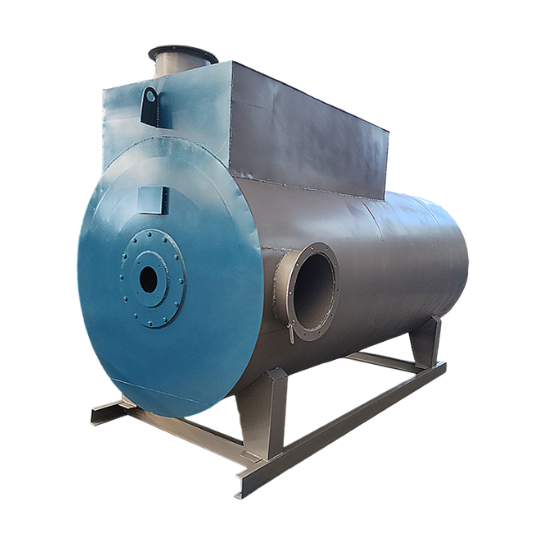
Easy to operate as it requires all control from outside and materials compatible with stainless steel and aluminum.
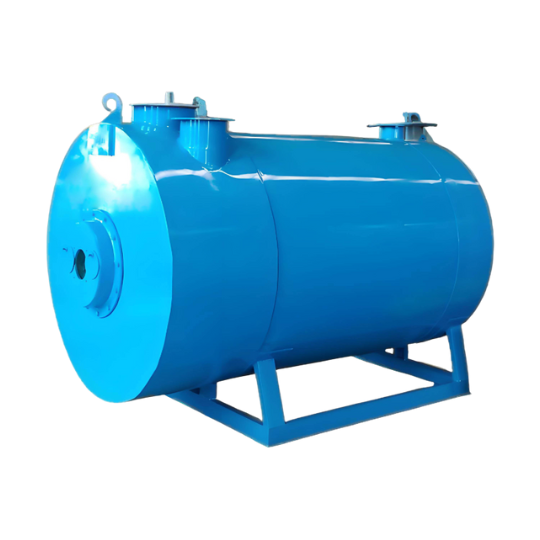
Eco-friendly and automatic features, has a long range of temperature with core components.
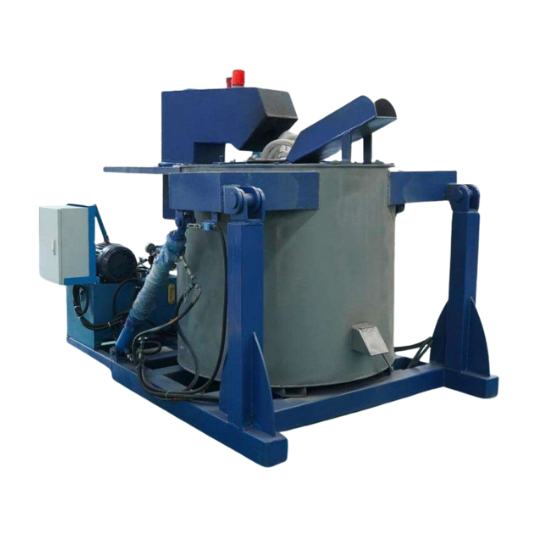
Metal melting furnace with great blast temperature control for less production damages over time. Available for aluminum and copper scraps.
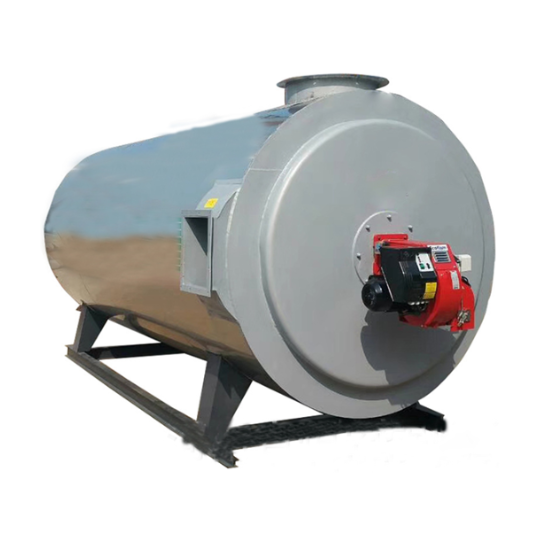
Horizontal furnace that has low pressure and temperature control, a heavy weight capacity for any metal melting material.
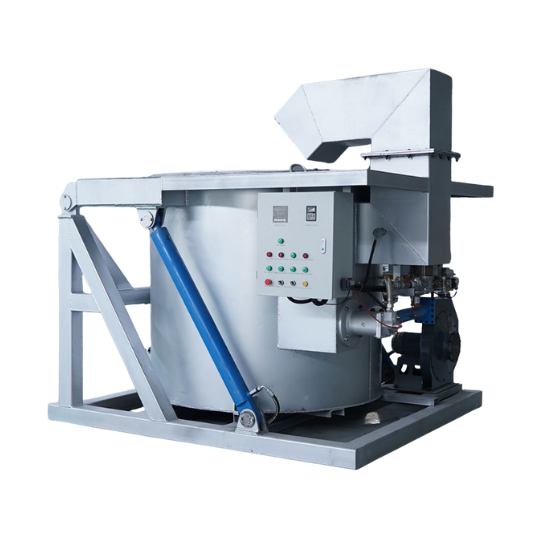
Accurate temperature control and has great metal melting, manufactured hydraulic furnace available for aluminum scrap.
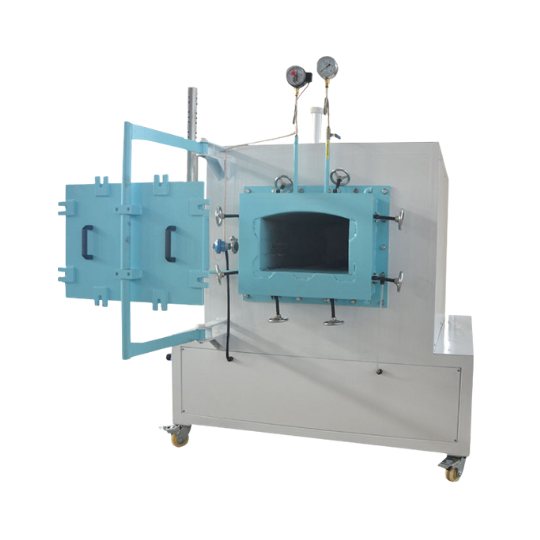
Easy to operate and has remote control temperature, has motor components and monitoring screen.
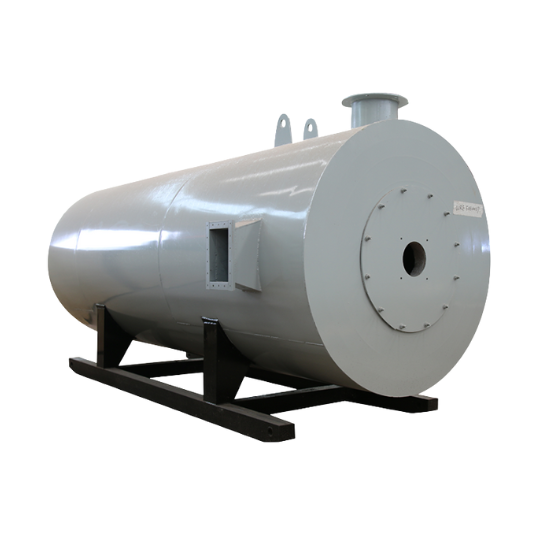
Has great natural circulation and industrial application, Horizontal furnace with temperature control and great for steel melt.
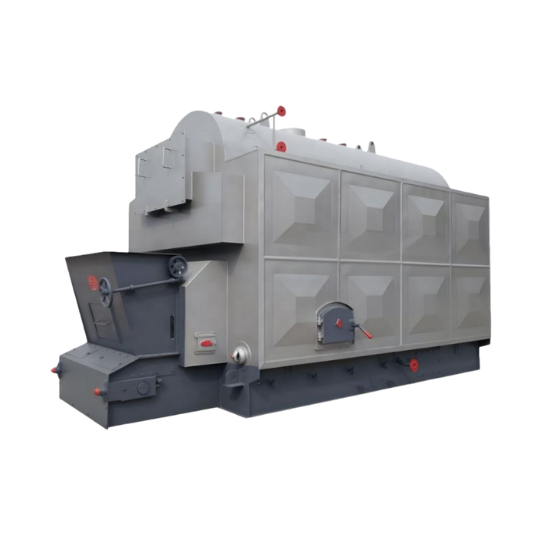
Uses oil and gas as temperature with versatile function for industrial use. Made with carbon steel and a functioning steam generator.
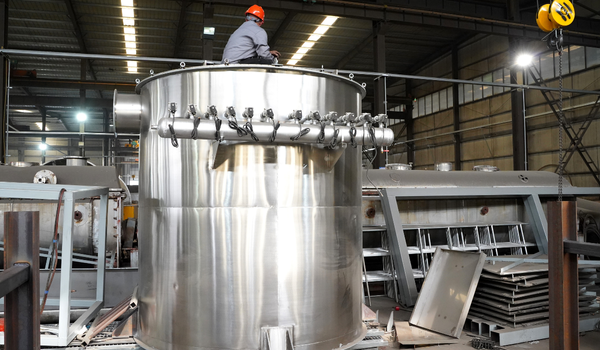
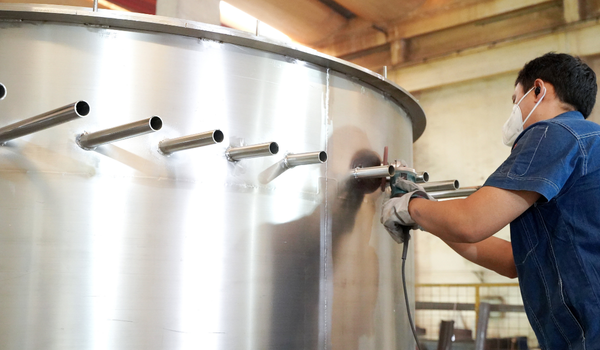
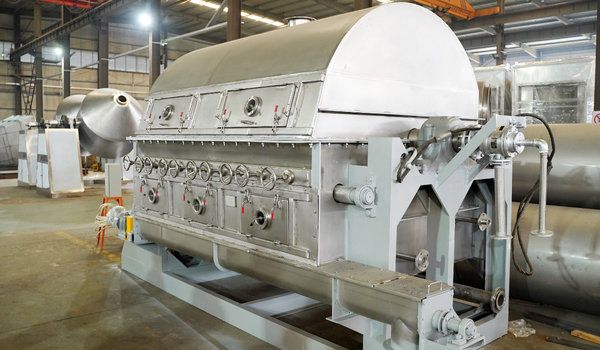
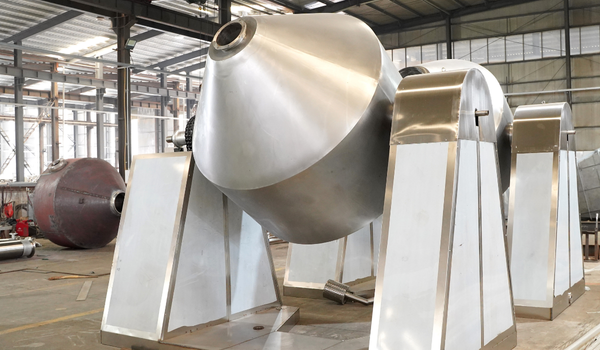
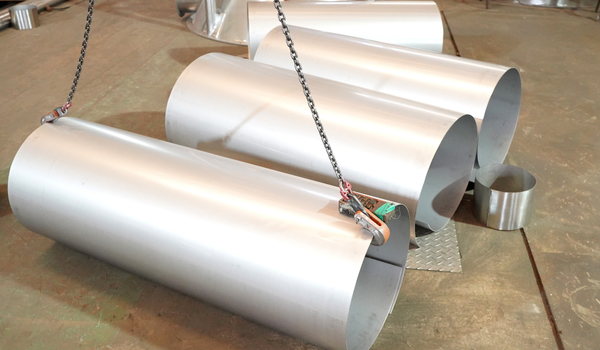
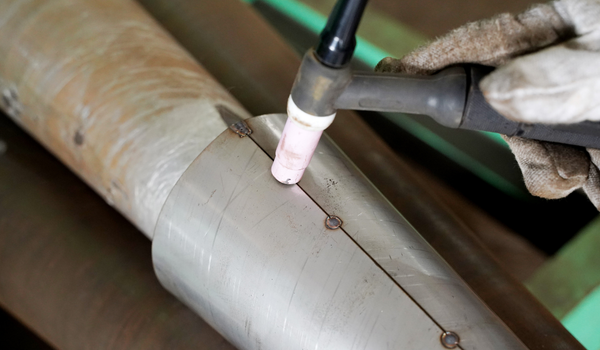
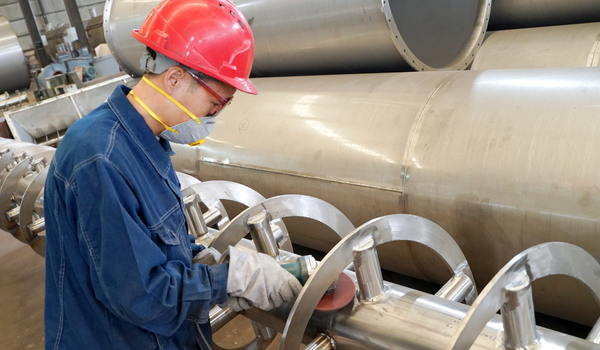
- Our Factory
- Technical Parameters
| Model | Combustion device type | Fuel quantity (kg/h) | Gas quantity (m³/h) | Heat supply capacity (10⁴ kcal/h) | Overall dimension (L×W×H mm) | Hot air hole (L×W mm) | Total weight (kg) |
| JRFY1 | MIN OR1 | 1.3~1.6 | 1.4~2 | 1 | 1000×1000×1600 | ø200 | 150 |
| JRFY4 | MIN OR4 | 5~6.5 | 5.5~7 | 4 | 1700×1000×1600 | 140×160 | 1100 |
| JRFY10 | MAI OR 12AB | 13~16 | 14~17 | 10 | 2100×1300×1600 | 180×200 | 1970 |
| JRFY20 | MAI OR 25AB | 26~32 | 28~34 | 20 | 2800×1400×1700 | 200×250 | 2260 |
| JRFY30 | MAI OR 35AB | 39~48 | 42~51 | 30 | 3400×1500×1800 | 250×300 | 3160 |
| JRFY40 | MAI OR 45AB | 52~64 | 58~68 | 40 | 4020×1700×1900 | 300×400 | 4750 |
| JRFY60 | MAI OR 60AB | 78~96 | 88~98 | 60 | 4800×1900×2100 | 400×500 | 5650 |
| JRFY100 | MAI OR 120AB | 130~160 | 150~170 | 100 | 5400×2100×2300 | 550×650 | 6550 |
| JRFY200 | MAI OR 300AB | 260~320 | 310~340 | 200 | 6000×2500×2400 | 750×900 | 7980 |
| JRFY360 | MAI OR 400AB | 468~720 | 540~580 | 360 | 7200×2900×2600 | ||
What is a Gas Fired Hot Air Furnace?
It is a furnace powered by hot air heated by fuel combustion, which combines combustion and heat exchange functions. A gas fired hot air furnace typically uses natural gas or coal gas as raw material and is widely used in the chemical, food, and pharmaceutical industries.
Working Principle
Generating high-temperature gas: The burner burns fuels and generates high-temperature gas. The heat from this gas is transferred to the air that requires heating in the hot air furnace.
In this process, the spoiler design of the FANQUN gas fired hot air furnace ensures that the high-temperature gas produced by combustion flows smoothly, preventing fuel waste caused by airflow fluctuations.
Heating the air: The air requiring heating enters the hot air furnace via a blower and is heated by the high-temperature gas. When the air is heated to a certain temperature, it is delivered from the hot air outlet.
Burner control: During operation, the burner adjusts its operation based on the hot air temperature. When the hot air temperature is about to exceed the set temperature range, the burner control system will slightly adjust the ratio of the gas valve and the damper within 8ms to avoid a poor drying effect caused by excessively high or low temperatures.
Types
Gas fired hot air furnaces can be divided into direct flue gas type gas fired hot air furnaces and indirect heat exchange gas hot air furnaces according to the purity of the output hot air medium.
Direct Fired Gas Fired Hot Air Furnaces
The hot air in this type of hot air furnace does not require heating through a heat exchanger. Instead, it is directly generated from purified high-temperature fuel gas. This treated hot air is then used directly to dry materials.
This direct heating and purification method reduces energy consumption, achieving a half energy consumption rate compared to indirect heating. It is suitable for drying products requiring higher temperatures and lower purity standards for the hot air.
Indirect Gas Hot Air Furnaces
This type of hot air furnace indirectly heats air through a heat exchanger. Fuels used for heating the high-temperature gas include steam, thermal oil, and flue gas. Because indirect gas fired hot air furnaces have an additional heat exchanger, it’s crucial to improve thermal efficiency to save energy. They are suitable for drying objects requiring high purity of hot air.
Key Parts
Heat Exchanger
Heat exchangers are typically found in indirect heat exchange type gas fired hot air furnaces. They are generally made of 310S high-temperature resistant stainless steel, which can withstand temperatures up to 1150℃ without deformation. Furthermore, it is corrosion-resistant, ensuring it is not corroded by acidic or alkaline substances in the high-temperature gas. Therefore, it has a long service life.
FANQUN gas fired hot air furnace utilises finned tube heat exchangers. The finned structure increases the heat exchange area by 40%, making it a key component of improving thermal efficiency.
Insulation layer
The insulation layer can reduce heat loss in gas fired hot air furnaces, save energy, and improve thermal efficiency.
Flue Gas Treatment System
High-temperature gases transfer heat to the hot air, and then they will be recovered into the flue gas treatment system. The high-temperature gases are treated before being released into the atmosphere.
The exhaust temperature must be controlled within a reasonable range. Excessively high temperatures waste heat energy, while excessively low temperatures can cause acidic condensation that corrodes the inner walls.
FANQUN flue gas treatment system adapts a negative pressure exhaust method, which can reduce dust accumulation at heat exchange points, simplifying maintenance.
Control System
The control system monitors and regulates the temperature during operation to ensure maximum heat exchange efficiency. The FANQUN gas fired hot air furnace is equipped with automatic temperature control and alarm devices, such as over-temperature alarms and fan malfunction alarms.
Backflushing Device
The backflushing device prevents backflow of flue gas inside the furnace when there is no smoke exhaust, thus preventing the accumulation of chlorides in the flue gas on the metal surface.
The accumulation of chlorides can easily penetrate the film on the metal surface, shortening the service life of the hot air furnace.
Applications
Food Products
When the hot air furnace is used for food processing, it is important to control the humidity of the hot air to prevent excessive dehydration of the food.
Drying of grains, noodles, seafood, fishmeal, and soybean meal.
Roasting of coffee, tea, and tobacco leaves. For these high-value foods, it’s crucial to avoid excessively high hot air temperatures during the drying process, which could damage food pigments and then cause colour change and nutrient loss. FANQUN’s indirect heat exchange gas fired hot air furnace provides these foods with pollutant-free hot air.
Pharmaceutical Industry
Biological feed: Biological feed is used for drying raw materials production. The temperature needs to be automatically adjusted according to the moisture content of the biological feed.
Drying Chinese herbal medicines: Compared to traditional drying ovens, hot air furnaces have better airflow, larger volume, and higher drying efficiency.
Synthetic active pharmaceutical ingredients and intermediates: These active pharmaceutical ingredients and intermediates are not heat-resistant and are easily oxidised, so the hot air needs to be treated before drying.
Drying of certain medical supplies: After steam sterilisation, the rubber stoppers, aluminium caps, and vials used for injections need to be dried with hot air to prevent microbial growth due to moisture.
Chemical Industry
Kaolin drying process: It requires an indirect gas-fired hot air furnace to avoid impurities mixing with the kaolin.
SiO2·nH2O: The hot air temperature that this material needs should reach above 500℃.
Synthetic resin: Before forming a fixed shape, synthetic resin needs to remove moisture and undergo a chemical reaction at a certain temperature. The uniform hot air from the hot air furnace can both remove moisture from the synthetic resin and provide heat to cause the chemical reaction and fix its shape.
Fine chemicals: Dyes, coatings, pigments, reagents.
Materials Industry
Welding Materials: Drying of welding rods and fluxes. During welding, uneven temperature distribution within the metal can lead to internal stress, which can easily cause cracking later on. Uniform temperature provided by hot air can avoid the uneven stress distribution and prevent cracking.
Insulation Materials: Fibreglass, alumina silicate fibre, and rare earth insulation. These materials require hot air drying to remove internal moisture in order to achieve their corresponding tensile, thermal conductivity, and optical functions.
Metallurgical Industry
Iron and Steel Smelting: Hot air furnaces are often used in conjunction with blast furnaces to smelt iron and steel, providing hot air to the blast furnace to reduce and melt iron ore.
Aluminium Smelting: Hot air furnaces preheat moist bauxite, reducing fuel consumption in later processing.
Copper Smelting: In pyrometallurgical copper smelting, hot air furnaces provide high-temperature hot air to melt copper ore and separate impurities. In electrolytic copper refining, they provide heat to the electrolytic cell, maintaining the electrolyte at a certain temperature.
Ferroalloy Smelting: Different ferroalloys, such as ferrosilicon, ferromanganese, and ferrochrome, require different hot air temperatures.
Lithium carbonate: Lithium compounds are dried with hot air in a hot air furnace, and then processed through other production processes to obtain lithium carbonate.
Advantages
Environmentally Friendly
Gas fired hot air furnaces produce fewer harmful gases during combustion. Compared to other hot air furnaces, FANQUN standard series hot air furnaces emit less than 150 mg/m³ of nitrogen oxides. For regions with stricter emission standards, we offer customised flue gas treatment solutions.
Stable Operation
The control system can monitor and adjust temperature and pressure changes in real time. The high-precision control system and the high-temperature resistant, corrosion-resistant 310S stainless steel heat exchanger together contribute to a 0% occurrence rate of explosion accidents.
FANQUN’s gas fired hot air furnaces are manufactured in strict compliance with relevant national standards and have obtained certifications.
Intelligent Control System
The intelligent control system mainly consists of a PC, sensors, controllers, and actuators. Our control system has passed EMC testing, ensuring that the equipment is unaffected by electromagnetic interference.
Sensors collect data from the hot air furnace in real time, which is then analysed by the PC, and finally, the actuators adjust the parameters. Compared to general automated control systems, our intelligent control system achieves high-precision control, helping you avoid adverse effects caused by human error.
92% Thermal Efficiency
The intelligent control system precisely controls the combustion process, reducing unnecessary combustion losses. The ceramic fibre insulation layer has a good insulation function, saving you fuel costs of 15-20%.
FANQUN is a long-established enterprise in China’s drying industry, certified by ISO9001, with over 40 years of experience. We have a complete research and quality system, a professional technical team, and a comprehensive after-sales service system. Submit your production material details and procurement budget, and we will provide a free energy consumption analysis and selection list.
The reasons for incomplete combustion include low fuel quality and a small contact area between the fuel and air during combustion.
Controlling fuel quality: When purchasing fuel, choose reputable fuel manufacturers to ensure the fuel quality. The calorific value and volatility of the fuel should be suitable for the design of the hot air furnace. For fuels with large particle sizes and uneven uniformity, they should undergo pre-treatment before combustion.
Ensuring a stable air supply for combustion: Combustion requires sufficient oxygen. If the air supply is not stable, fuel combustion will be incomplete, reducing thermal efficiency. To accurately control the air volume and uniformity, FANQUN gas fired hot air furnaces are equipped with air flow meters to monitor the hot air.
Fuel Adjustment: The water content of natural gas varies seasonally. Fuels with higher water content need more heat to evaporate, reducing thermal efficiency. When storing fuel, you should choose a sealed container to preserve it.
Heat Exchanger Design: Materials, structure, heat exchange area, and cleanliness affect heat exchange.
Heat exchangers made of copper and aluminium have high thermal conductivity.
A well-designed structure helps transfer hot air.
If heat exchangers are not cleaned regularly, they are prone to getting dirt and corrosion.
Ambient Temperature: The temperature of the production environment affects the heat dissipation rate of the gas fired hot air furnace.
At high temperatures, the temperature difference between the environmental temperature and the hot air furnace is small, resulting in slower heat dissipation. At low temperatures, the temperature difference is large, and heat dissipation is faster.
Ventilation: The production workshop should have good air circulation to ensure that the heat from the hot air furnace is fully dissipated without affecting the furnace’s temperature.
Rated thermal power, thermal efficiency, outlet air temperature, and heat exchanger material.
A higher-rated thermal power means a stronger heating capacity.
A higher thermal efficiency means a higher fuel utilisation rate and greater fuel cost savings.
The outlet air temperature should be determined based on the required temperature.
The materials of the heat exchanger have a significant impact on thermal efficiency and service life.
In addition to the standard warranty service for the hot air furnace, we also provide annual preventative maintenance services, and its costs are within 1.5% of the equipment value. Our professional maintenance employee will calibrate the equipment based on the operating data. Also, we provide replacement parts free of charge.