
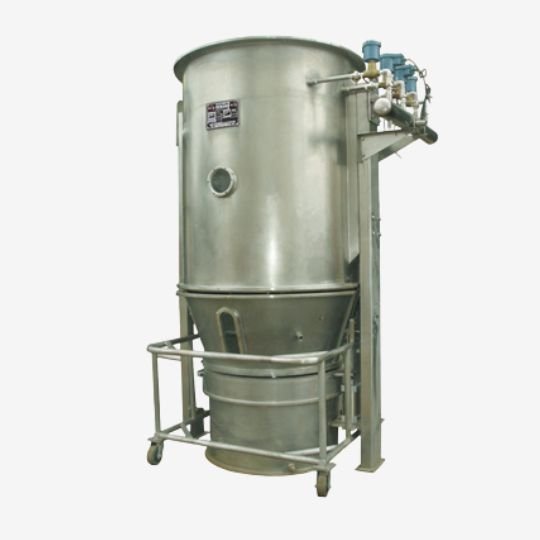

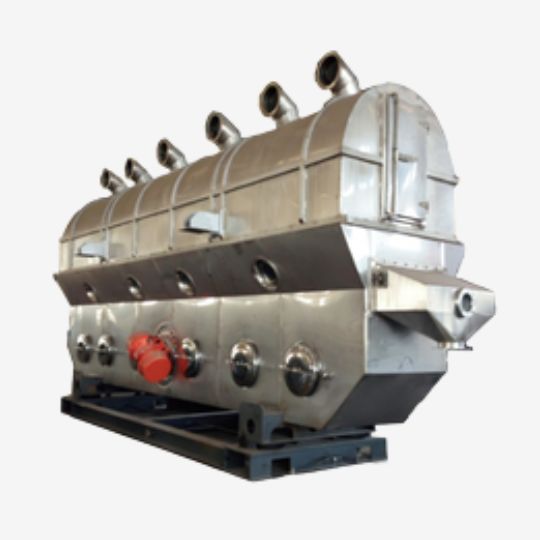
FANQUN Fluid Bed Dryer
The FANQUN fluid bed dryer is specifically designed for drying granular or powdery wet materials, which can help you achieve an efficient and uniform drying effect.
- Customised fluid bed dryer design services from 6 ft² to 400 ft² with an integrated drying and cooling system.
- The material throughput of the fluid bed dryer ranges from several hundred pounds per hour to 30-40 tons per hour.
- Fully equipped machines for different testing requirements, such as aggregation, heat treatment.
- Different metals are used to manufacture your fluid bed dryer like stainless steel, titanium alloy and carbon steel.
- The optimised heat treatment process can shorten your investment payback period to 12 months.
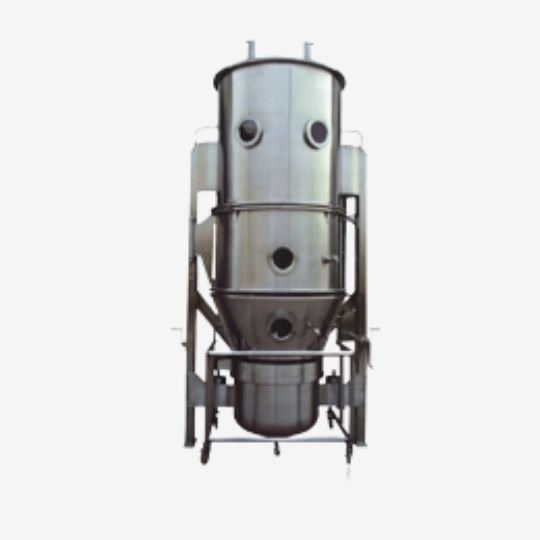
Fluid dryer to achieve fast heat transmission of medium. And because of using anti-static material as filter,it is safe in operation.

The horizontal structure turns the drying process into a continuous operation. Used on medicines, chemical raw material, foodstuff, grain processing, feed and so on.

Raw material is heated uniformly, heat exchanging is sufficient, drying capacity is high. And compared with ordinary dryer, it can save energy up to 30%.

Like any, this fluid Bed is enhanced with shape and function, has high-quality and temperature control.
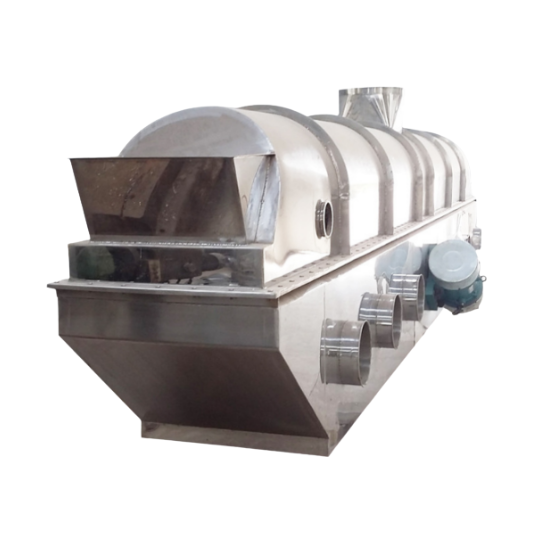
This helps dry soaked materials immediately and doesn’t take over an hour to process. Customization of the machine is available.
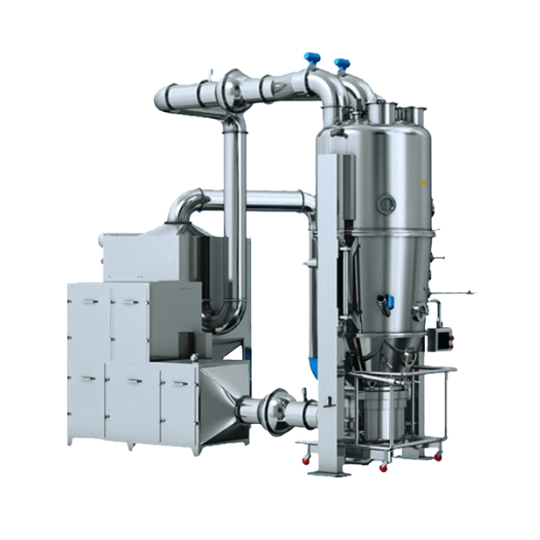
Steam and electronic heating method with Spray dryer attached. Boils and evaporates moisture.

Supports chemical and food processes with non-stick polished surface, Rust-free and great quality usage.
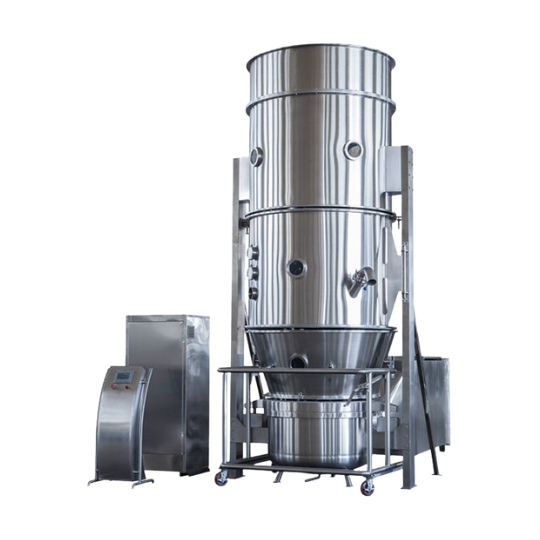
High quality granulation with preheating and drying, the moisture evaporates and forms a finer granule.
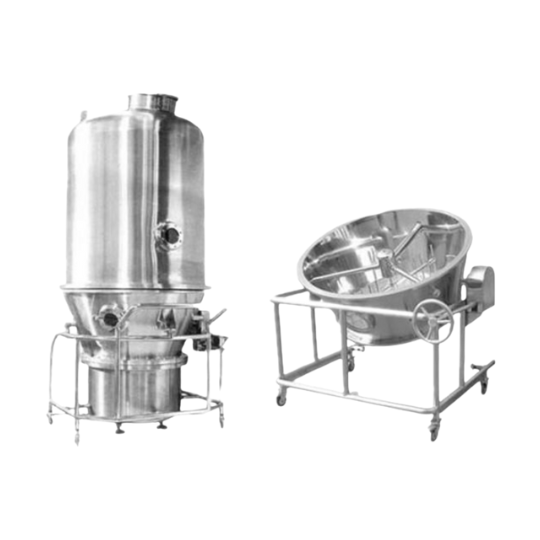
Has core components with engine, capable of chemical and food processing, Easy to operate and navigate.
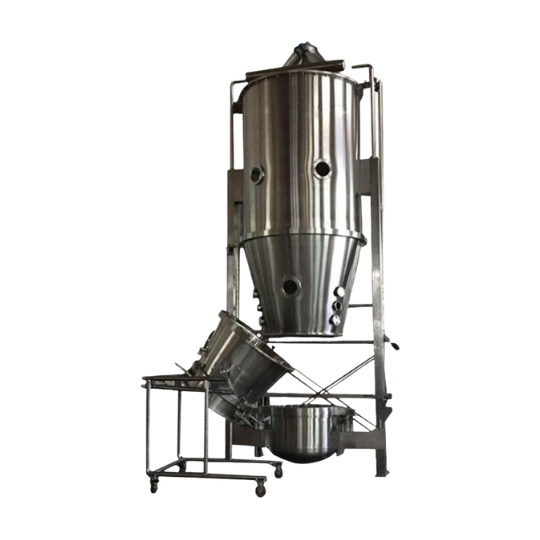
Dual heating method available and wide application for various processes. Customized size and parts.
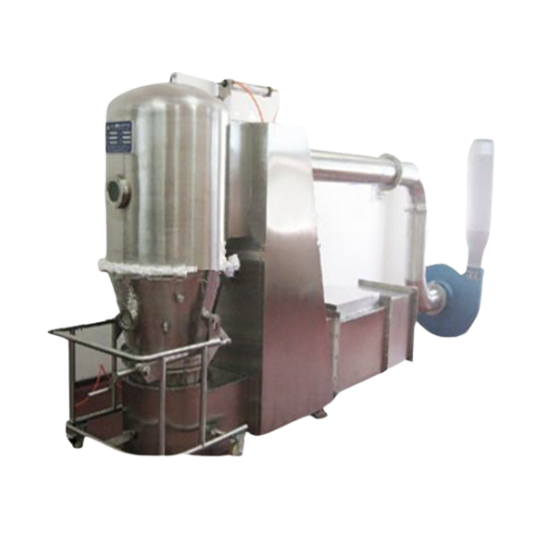
No pressure with only gas heating method, Fast drying and temperature control with dual discharging options.
What is the Fluid Bed Dryer?
The fluid bed dryer is dry equipment that puts your wet material on a continuous flow porous bed for drying. The process by which materials float in the air is called “fluidization”. It is widely used in various industries such as pharmaceuticals, chemicals, and food.
How does a Fluid Bed Dryer Work?
The complete fluidised bed system has 9 components, including air supply system, fluid bed system, exhaust air system, windbox, perforated bedplate, suction hood, drive system, product in, product out. The following will introduce you to how the fluid dryer works.
Step 1 Fluidization
The first step is the fluidisation. When the drive system starts up, the wet material will enter the perforated plate from the material inlet. Then the air will blow from the button of the perforated plate. As the airflow speed increases, the wet solids will rise from the bottom under the influence of air pressure. This process is called fluidisation and the speed range that particles can fluidise is called the fluidisation rate.
Step 2 Heating
The dry air will be heated to the necessary temperature through a heater or a heat exchanger. The hot air will enter the lower gas collection chamber through branch ducts equipped with a throttle. You can adjust the air volume in the intake or gas collection chamber by the throttle.
Step 3 Drying
Under the fluidised state, the particles in the fluidized bed will be surrounded by hot, dry air. The mixture ensures full contact between the heating gas and the wet material. It will help to improve the efficient heat transfer and evaporation. The water in the materials will evaporate into the air and finally be discharged from the dryer along with the exhaust gas.
Step 4 Multi-stage Drying
The gas collection chamber is divided into multiple areas with different inlet temperatures or fluidisation rates. Use a higher air temperature at the feed inlet where the material has a high moisture content. Material conveying is achieved through low-frequency, high-amplitude vibrating equipment.
As the particle surface gradually dries, the rear part of the gas collection chamber uses a lower temperature. At the same time, the fluidization rate of the material will also change as the material moves.
Step 5 Cooling
The final step is to cool the particles. After the drying stage, the dried material is cooled by introducing a controlled flow of cold air. The cooling step can ensure the stability of the material when storing and packing the products.
Types of the Fluid Bed Dryer
The fluid bed dryers can be divided into many types depending on the design and working principle. The following section will introduce three different types of fluidized bed dryers from a design perspective.
Vertical Fluid Bed Dryer
The vertical fluid bed dryer forms a fluidized bed by stirring materials. The local structure, combined with the adjacent leaves, can accelerate hot air and form a stable fluid bed in a wide area. You can add an extra stirring device and a negative-pressure feeding system to the vertical fluid bed dryer to improve the drying efficiency of the equipment.
The vertical fluid bed dryer is suitable for sensitive or recycled solvent processes such as pharmaceuticals, food, and chemicals. The vertical fluid bed dryer can perform rapid heat and mass transfer without causing cross-contamination.
Horizontal Fluid Bed Dryer
The horizontal fluid bed dryer is a type of dry equipment that is widely used in the pharmaceutical industry. The wet material will be continuously fed into the rectangular process chamber through the feed inlet. The wet materials will be dried during horizontal movement.
Vibrating Fluidized Bed Dryer
The vibrating fluidized bed dryer is currently the most commonly used fluidized bed drying process on the market. It uses an external vibration device to improve the fluidisation effect. The vibration can help disperse larger particles or sticky wet aggregates quickly. At the same time, the smaller particles can be dried by agitation with fluidized air.
The vibration source of the vibrating fluidized bed dryer is driven by a vibratory motor, which ensures smooth operation and low noise. Its biggest advantage is that it allows materials to be heated and dried evenly. Compared to ordinary dryers, it can save you about 30% on energy consumption.
Benefits of the Fluid Bed Dryer
Quick drying
The biggest benefit of the fluid bed dryer is its quick drying ability. You can flexibly adjust the temperature of the hot air from 300℉ to 1500℉ according to the characteristics of different materials. This ensures efficient heat transfer between the hot air and particulate matter.
Gentle Treatment
Compared with other types of dryers, the fluid bed dryer has minimal impact on materials, which reduces the risk of material degradation or damage. The vibration of low frequency and low amplitude provides an assisted movement to ensure the materials can gently move to the downstream.
The fluid bed dryer is the perfect choice for fragile materials, medicinal powder or fragile food ingredients. At the same time, you can adjust the vibration parameters to control the residence time of material in fluidized bed, then get a uniformly dried product can be obtained.
Energy Saving
Compared with the traditional dryers, the heat transfer coefficient is 2-5 times higher. Which means it can dry your wet materials in a shorter time with a higher transfer efficiency. The drying air can directly contact the particles to achieve the rapid evaporation of moisture. With the precise control of the air volume and temperature, your wet materials can be dried in one-time drying completely without repeated heating. To some extent, it avoids excessive dryness and energy waste.
Multifunctionality
You can use the fluid bed dryer to process materials with various particle sizes, shapes, and properties. At the same time, you can adjust parameters such as airflow rate and temperature to achieve different drying requirements.
In addition, the fluid bed dryer can be flexibly configured with components that have different functions. For example, a Clean-in-Place (CIP) system can perform automatic cleaning. A fire suppression system can prevent the generation of flammable powders and eliminate safety hazards. Furthermore, recirculating gas and closed-loop systems can be configured to improve drying efficiency and solvent recovery rates.
High-quality Product
The Fluid Bed Dryer uses a piston-flow operation to achieve first-in, first-out (FIFO) material flow. This design ensures consistent product quality with high integrity, color, and flavor. This also avoids situations such as over-drying or under-drying.
Small Footprint
Compared with other dryers, the drying area design of the fluid bed dryer can significantly reduce the footprint. For the same production capacity, the drying section length of a fluidized bed is only 1/3 to 1/5 that of other dryers.
Using a vibration configuration can reduce the fluidizing gas velocity, thereby reducing the amount of air required. Therefore, the space required for the drying chamber will be reduced. At the same time, the supporting heat source, fan, and separator will also be scaled down. The reduction in the overall size of the drying equipment also means better energy efficiency.
Sanitary
The fluid bed dryer has received U.S. Department of Agriculture (3A) certification, which means that its design meets hygiene standards. Its fully enclosed operating system can prevent cross-contamination while reducing the entry of microorganisms, dust, and pests.
The inner wall of the fluid bed dryer is made from SUS304 or SUS316L, which corrosion corrosion-resistant and resistant to microbial growth. The hygienic stainless steel materials can fully ensure the safety of your materials.
Applications of the Fluid Bed Dryer
Pharmaceuticals
Fluid bed dryers play a significant role in the pharmaceutical industry. You can use it to dry active pharmaceutical ingredients (APIs). The fluid bed dryer can help you maintain the stability of drug activity and quality through slow drying.
Fluid bed dryers can also be used for granulation drying. After the wet granulation, using a fluid bed dryer can ensure that the particle size and moisture content of the medicine meet your requirements. In addition, the fluid bed dryer can remove the moisture of the tablets while ensuring the tablet’s structural integrity.
Chemicals
The fluid bed dryer can achieve high-efficiency drying of the chemical powder, such as various pigments, catalysts and specialty chemicals. In the polymer processing industry, fluid bed dryers help remove moisture and solvents from polymers, ensuring consistent quality and performance.
Food Processing
The fluid bed dryer can be used to remove the moisture in cereals and seeds, which can extend the shelf life of crops and prevent corruption and deterioration. The fluid bed dryer can also dry the coffee beans to keep their flavor and aroma. Dried fruits and vegetables can extend the shelf life and nutritional activity of food.
Mineral
In the mining industry, fluid bed dryers can be used to dry crystals or particles of non-metallic ores and metallic ores. Compared to rotary drum drying, its heat transfer efficiency is 30–50% higher. You can use the fluid bed dryer to enhance the processing performance of minerals or aggregates by removing moisture from them.
For the past 40 years, FANQUN has been focused on the independent design, research and development, and production of various drying equipment. FANQUN can provide you with one-stop fluidized bed drying equipment solutions, whether for crushing, granulation, drying, or packaging processes.
Yes, on the one hand, the fluid bed dryer has a fluidised bed energy recovery system and can help you save more energy and reduce emissions. On the other hand, you can use the recycled hot gas for other heating purposes within the plant. Improve ambient air quality while reducing exhaust emissions.
You can choose many processes to heat the air. The air heating method choice is mainly decided based on the design and heating medium you can use. Typically, there are gas, oil burners or electric heating oil to heat the air. Or you can use steam, heat transfer oil or a heat exchanger to indirectly generate hot air. In addition, the thermal energy from other processes can be used too, which can improve the entire system’s efficiency and energy cost.
You can choose a manual or automatic method to clean your fluid bed dryer. The fluid bed dryer has manual clamps that can help you overhaul internal components without tools. Also, the cover plate lifting device can raise the air hood and conveyor surface for you to clean the fluid bed dryer easily. If you want to reduce the labour cost, then you can equip the automatic in-situ cleaning device to achieve automatic cleaning.