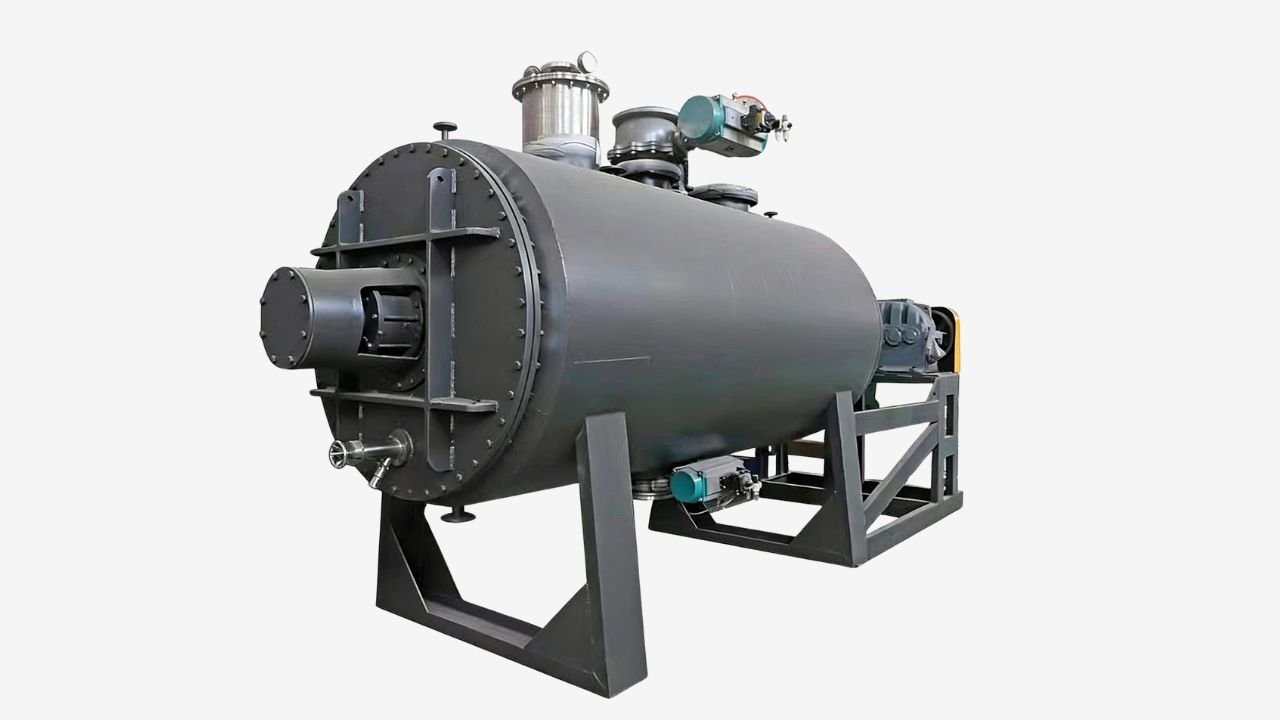
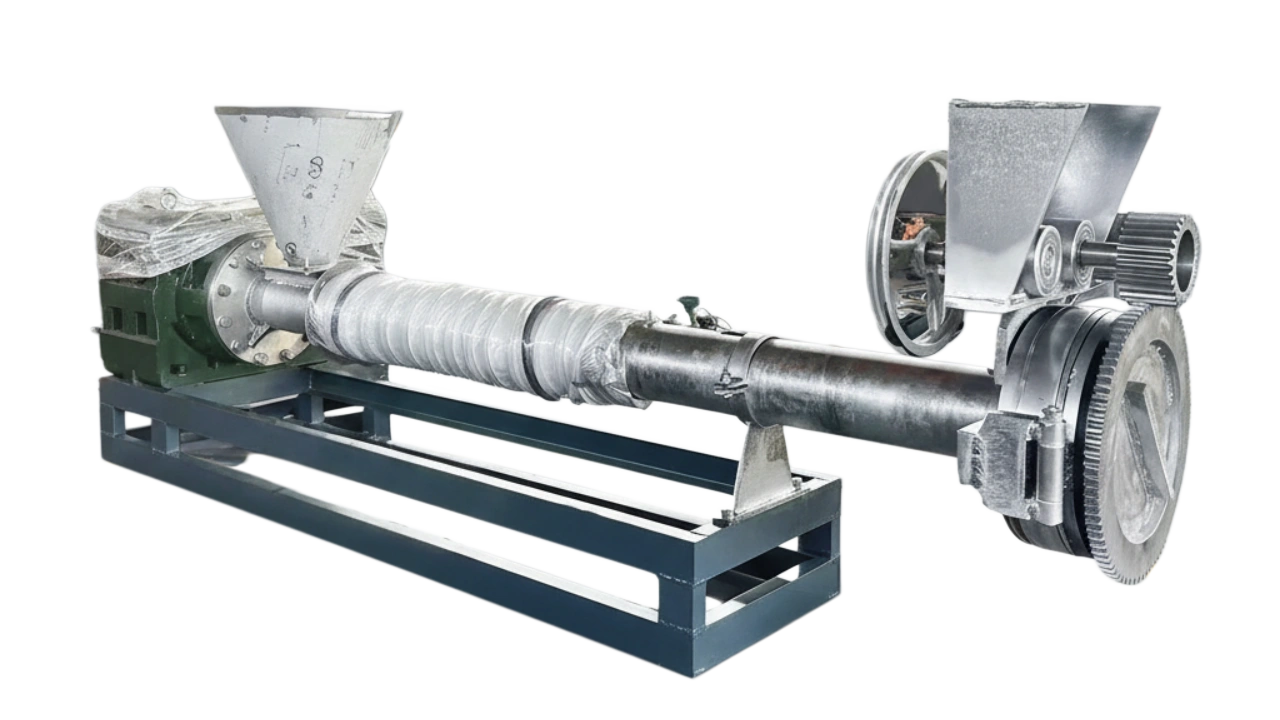
If you are an engineer or a boss in the pharmaceutical, chemical, food powder, or other Industries, and want to optimize current processes or build a production line, you need to choose the right granulation method, as product batch quality variations or high costs will result from the wrong choice. In this article, drawing upon our decades of manufacturing experience, we will help you learn more about the differences between dry and wet granulation.
What is Dry Granulation
The powder will feed through high pressure into a ribbon or flake, then the compressed body will be crushed. The whole process does not use water or any liquid solvent. Therefore, the process is simple, and production efficiency is high. Usually, used for pigments, battery materials, etc., materials that cannot be mixed with liquid solvents.
What is Wet Granulation
Wet granulation needs the powder to be mixed with the binder into wet granules first. Then, through drying and milling, form stable particles that meet the particle size requirements. The process will be a little complex, but suitable for most powders.
Differences Between Dry and Wet Granulation
| Parameter | Dry Granulation | Wet Granulation |
| Moisture/Heat Sensitivity | Suitable for materials sensitive to moisture/heat. | Not suitable for materials sensitive to moisture/heat. |
| Process Steps | Simple(2-3 steps) | Complex(5-7 steps) |
| Equipment needed | Roller compactor, mills | Granulator, dryer, mills |
| Cost and Time | Lower | Higher |
| Granule Uniformity | Moderate | High |
| Continuity capability | Strong | Weak |
When to Use Dry Granulation vs Wet Granulation
Use dry granulation when:
- Your material is moisture or heat-sensitive. Dry granulation is typically used in the pharmaceutical and health product industries. For example, vitamins B and C are especially sensitive to water and heat. Under dry high temperatures, they will be oxidized. The internal structure will be destroyed, and the powder’s flowability will decrease; mold and microorganisms may appear in wet conditions. However, dry granulation conveniently avoids dry and liquid mixing steps.
- You want rapid, continuous mass production. Dry granulation just needs compacting and milling; the process will be simpler, and the workflow will be shorter. Conversely, if you just want to conduct a trial production, dry granulation is very inappropriate, because Insufficient feeding will cause the compacted robbins to fracture, and low uniformity of finished product particle content.
- You worried about reducing costs. Dry granulation has simple steps; the main equipment just needs a roller compactor and a milling system, which can greatly reduce investment in equipment. In addition, dry granulation has no need for energy-intensive steps such as hot air drying.
Use wet granulation when:
- The material has poor flowability and compressibility. In wet granulation, it has a wetting stage, after adding binder, the flowability will be significantly improved, making it easier to compress into tablets and fill into capsules.
- You want High requirements for particle size and uniformity. Such as some anti-tumor drugs in the pharmaceutical industry, which have very low api, slight stratification can lead to serious deviations. In wet granulation, after the powder is thoroughly mixed, a binder is added to bind the powder together, allowing the API to be more evenly locked inside the particles.
- The product formula is complex, which needs to enhance the strength of the granular structure. Binder in wet granulation will cause the powders to adhere to each other, acting as a liquid bridge. It can effectively integrate API and auxiliary material components, increase particle strength, and solve the problem of many materials easily separating and stratifying during transportation, tableting, and other processes.
Equipment Used in Dry and Wet Granulation Processes
Dry Granulation Equipment
- Roller Compactor:
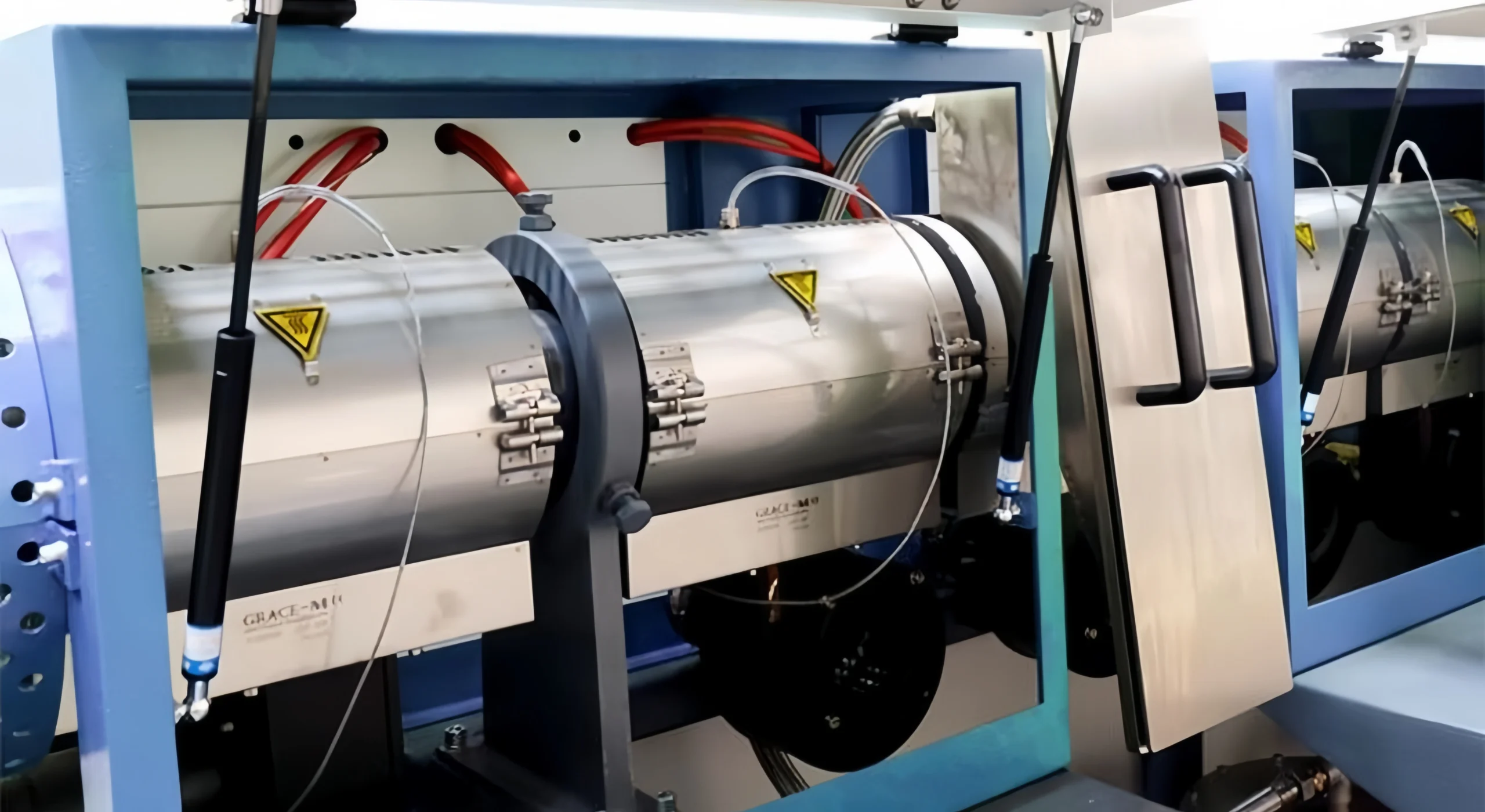
The roller compactor is the core equipment of dry granulation. It is usually composed of two rollers, one in the forward direction and the other in the reverse direction, which applies pressure to the material. Pressure is controlled through a hydraulic system, while the gap between the rollers is adjusted to control ribbon thickness and density.
- Milling System:
The milling system crushes the strips or blocks formed by roller pressing into granules. The common types include cone, oscillating, and hammer. It determined the final particle size and uniformity.
Wet Granulation Equipment
- High Shear Granulator:
This machine uses a stirring rod to fully mix the powder and binder, then, through a chopper, breaks up agglomerates and controls particle size.
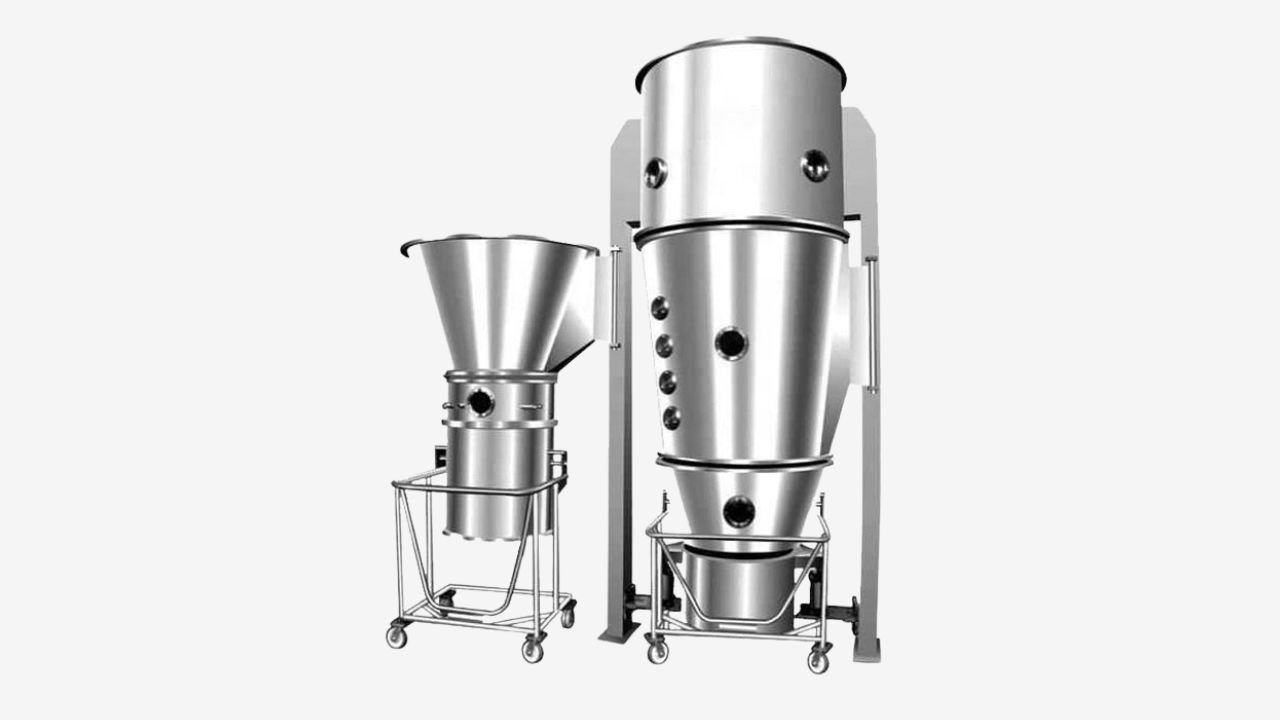
Fluid Bed Granulator: After High-shear granulation, the formed particles are unstable in a wet state. The advantage of fluid bed granulation is that hot air is circulated around the wet granules to dry them evenly. After the moisture evaporates, the binder remains inside the granules, increasing their strength. To simplify the granulation process, some customers now use a fluid bed granulator instead of a high shear granulator. Because it has its own spray system, it can add binder through nozzles while granulating and drying at the same time.
- Milling System:
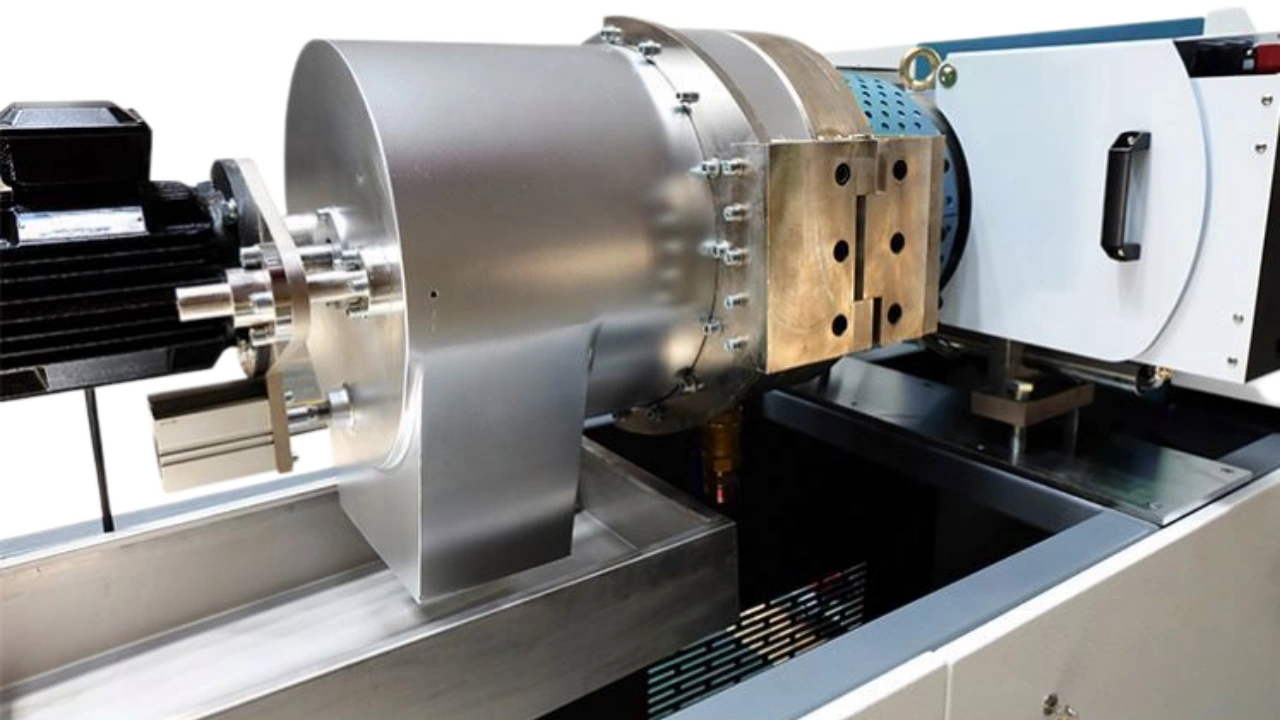
The dried granules are passed through a milling system to keep their size within the target range, producing the final product.
Advantages and Disadvantages of Dry and Wet Granulation
Dry Granulation Pros & Cons
- Do not need to add liquid solvent and dry with high temperature, very suitable for moisture or heat-sensitive materials.
- The process is simple and only requires powder blending, compaction, and milling, making it suitable for continuous production. However, because dry granulation relies heavily on compaction, the compaction step can easily generate fine powder. As a result, it is not suitable for low-dose APIs, which may be lost with the fine powder.
Wet Granulation Pros & Cons
- It provides better particle uniformity, higher strength, and less fine powder, making it suitable for microgram-level formulations and easier to produce high-quality particles.
- It is not suitable for materials that are sensitive to moisture or heat, as liquid solvents can readily react with them.
- The process is complex, resulting in higher energy consumption and making cost management more difficult.
How to Choose the Right Granulation Equipment
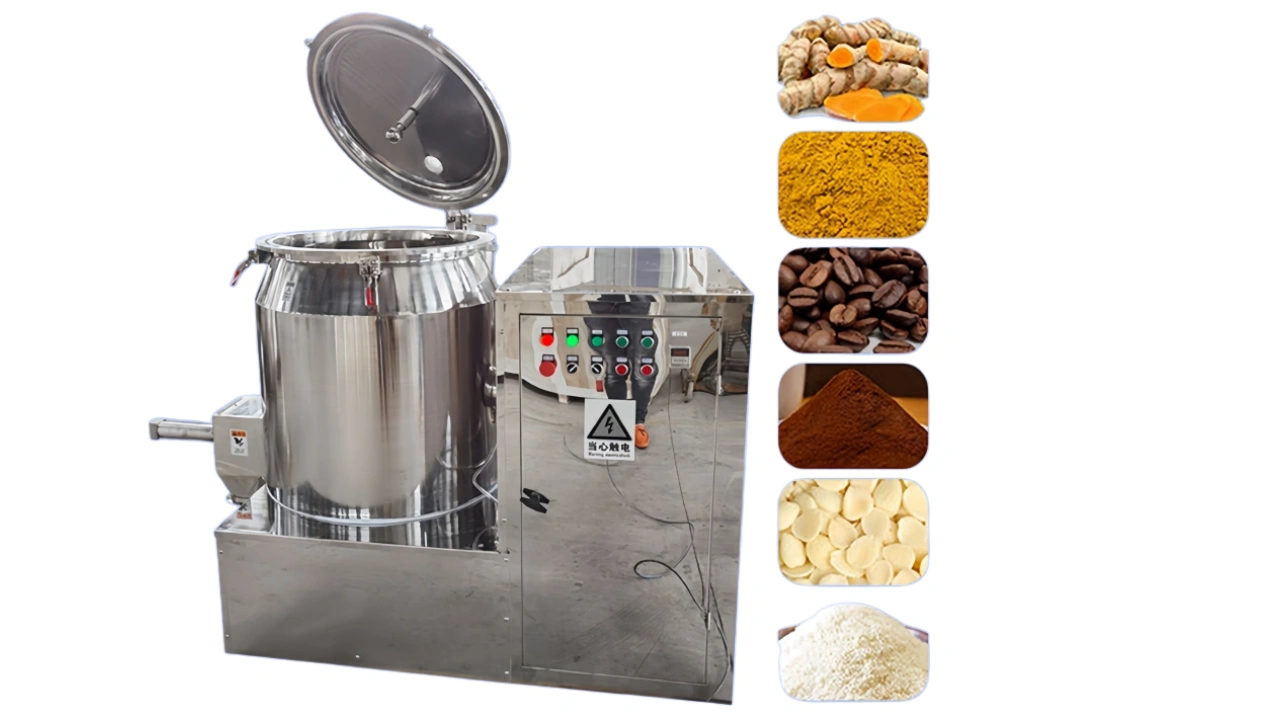
Material Properties:
You need to know the material properties so that those sensitive to heat and moisture can choose dry granulation, and other types of material can choose between two processes.
Production Scale:
In batch production, our customers prefer dry granulation for its higher automation and productivity. In dry granulation, roller compaction is a continuous manufacturing process and can be operated continuously for extended periods, such as 24 hours, under stable production conditions.
Cost Constraints:
Based on the material properties, dry granulation is often the more economical choice, as it can reduce not only equipment costs but also energy consumption
Product Requirements:
High-end nutritional products, advanced battery materials, and high-performance chemical materials often rely on wet granulation. The main advantage of wet granulation is its ability to produce more uniform, stable, and high-quality granules. In these industries, granule quality plays a critical role in determining the performance of the final product.
FAQs
1. Why do large pharmaceutical companies still choose wet granulation instead of dry granulation?
For large pharmaceutical companies, the quality of the product is more important than the production speed.
2. What is the difference between fluid bed granulation and high shear granulation?
Although fluid bed granulation allows direct granulation, has a shorter process, and carries a lower risk of material contamination, the resulting granules are not as strong as those produced by high-shear granulation, and this method is not suitable for very sticky, heavy, or poorly flowing powders. So, a part of customers still choose traditional granulation methods.
3. Why does dry granulation create more fines?
The mechanical impact of milling during dry granulation naturally causes low-density areas to easily form fine powder, and friction between particles during transportation also generates this powder.
4. What is the cost of wet granulation vs dry granulation?
Under normal circumstances, wet granulation requires two more pieces of equipment than dry granulation, and its energy consumption is approximately twice as high. If the cost of dry granulation is $50–200 per ton, the cost of wet granulation is typically $150–600 per ton.
5. Why are hygroscopic materials difficult in wet granulation?
The moisture-absorbing material will absorb water from the air and equipment; furthermore, the addition of a binder in the wet granulation process causes excessive humidity to cause particles to adhere to one another, forming large clumps and destabilizing the structure.
6. What binders are used in wet granulation?
Using binders such as PVP, HPMC, and PVA can increase particle strength. In products like foods and dietary supplements, starch and dextrin are commonly used as binders. If the formulation contains friable APIs, adding an HPC binder can help make the granules more flexible.
Conclusion
There is no universally better granulation process—only the one that best fits your specific application. The key is to choose a solution based on your material characteristics, production goals, and product requirements. With decades of experience in granulation equipment manufacturing, Fanqun is committed to helping you find the most suitable solution. Our team is available 24/7 to support your needs. Contact us to discover the granulation solution that works best for your process.