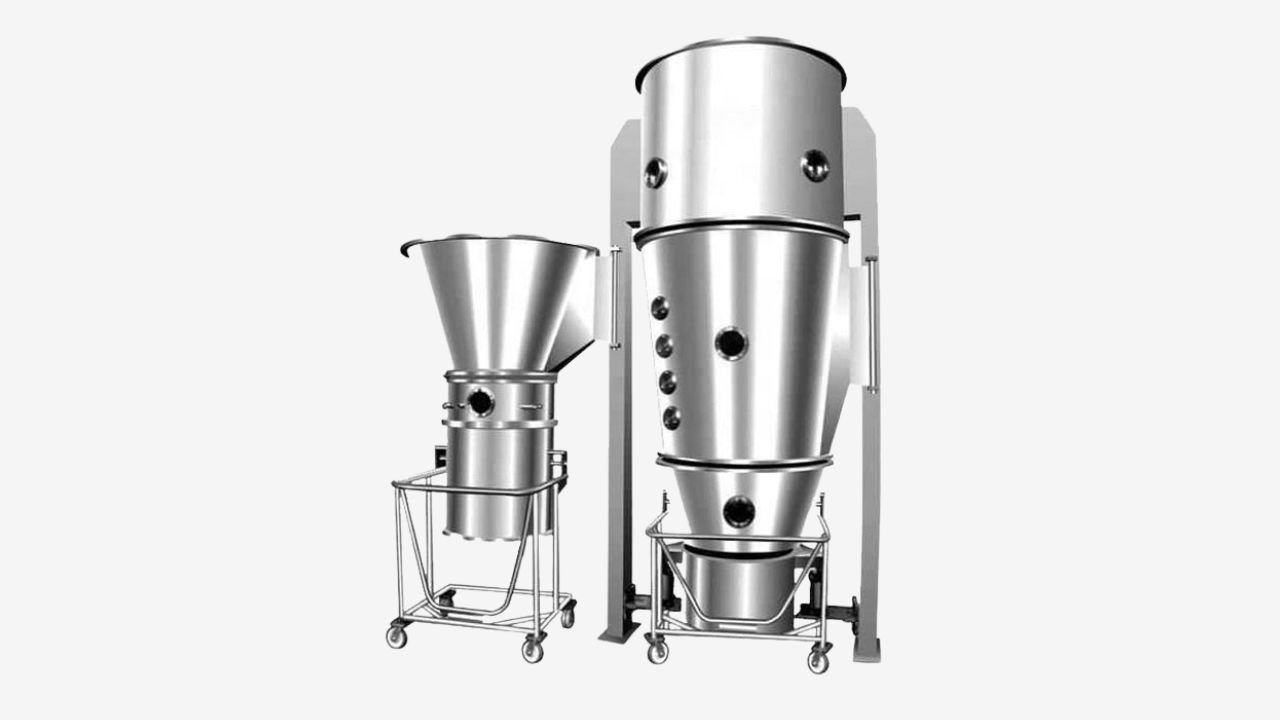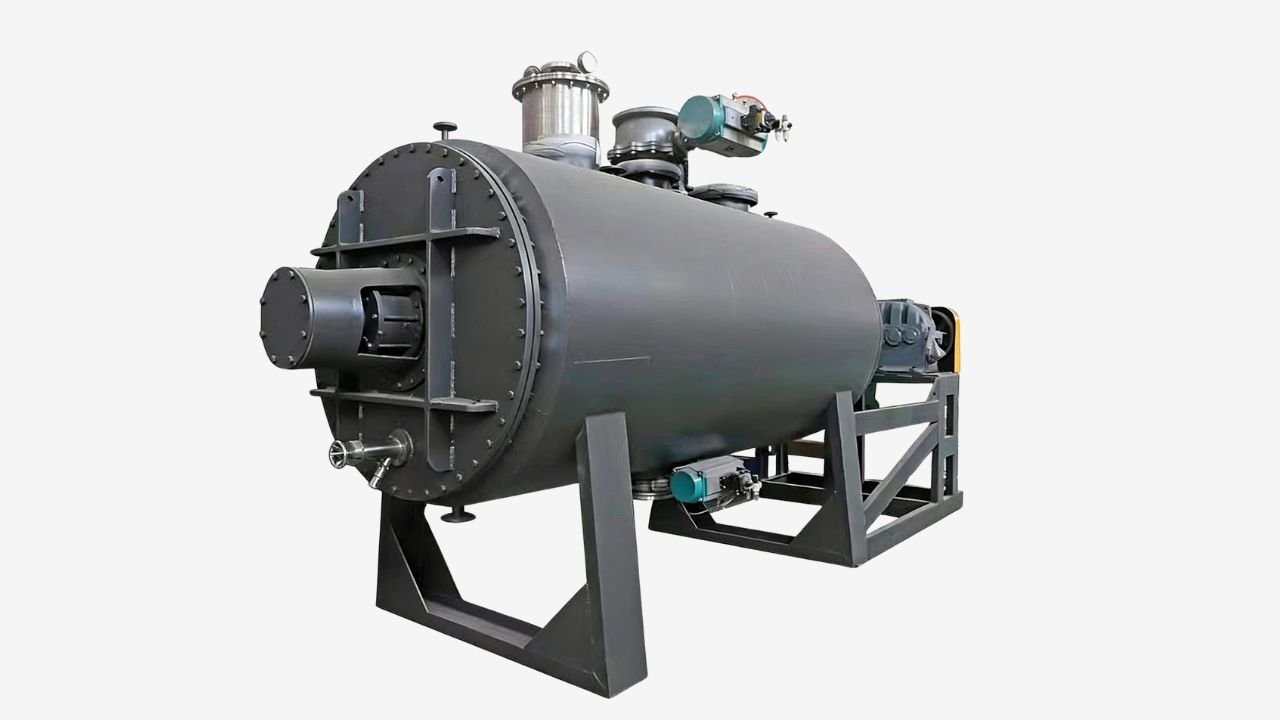
Whether you are in the agricultural, pharmaceutical, or food processing industry, ensuring materials have a specific moisture content is a critical quality criterion you cannot ignore. That is exactly where the rotary dryer comes in.
And, in case you are wondering where to use the rotary dryer in your industry, we are going to explore the most common applications of this drying equipment.
But first, let’s start with the basics.
What Is a Rotary Dryer?
A rotary dryer is a cylindrically shaped industrial piece of rotating equipment that uses controlled heat and air to ensure hot air removes moisture from bulk material.
They are ranked top in most industries due to their ability to accommodate flexible designs, high capacities, and effective thermal processing among various material properties.
Key Uses of Rotary Dryers in Different Industries
Rotary dryers are indispensable to most industries since they accommodate various types of feed and provide space for constant drying in sustained processing systems.
Agricultural Industry
· Drying Manure
Rotary dryers separate water from animal manure to come up with stable, odorless, nutrient-enriched organic manure. The dry manure is packaged, transported, stored, and applied on the farms without facilitating the rapid spoilage or microbial growth.
Constant drying enhances safer handling and high nutrient retention in commercial fertilizer.
· Dry Animal Feeds
Regulated moisture content in animal feeds is essential to prevent the growth of molds and preserve their nutritional content. A rotary dryer provides uniform drying, protecting feed ingredients like grains, fiber-rich materials, and protein meals.
This is because efficient drying prolongs the shelf life of the feed and facilitates long-term storage in various climates.
· Production of Granular Fertilizer
The production of granular fertilizers involves drying of the granulation and conditioning process.
A rotary dryer balances the weight and hardness of the granules and eliminates caking during handling or storage. Its rotating action improves the homogeneity, and the final fertilizer is ready for mechanized application.
· Drying Agricultural Residues
Agricultural wastes such as husks, straws, and fiber materials usually require a drying process before they are upgraded into pellets of energy or processed feeds.
This process also lowers transportation costs by reducing moisture levels while increasing combustion effectiveness.
· Drying Wood Chips and Sawdust
Rotary dryers are beneficial in processing plants in eliminating moisture for the production of pellets, briquettes, or fuel.
The wood biomass is dry and therefore, simple to handle, store, and convert into renewable energy products.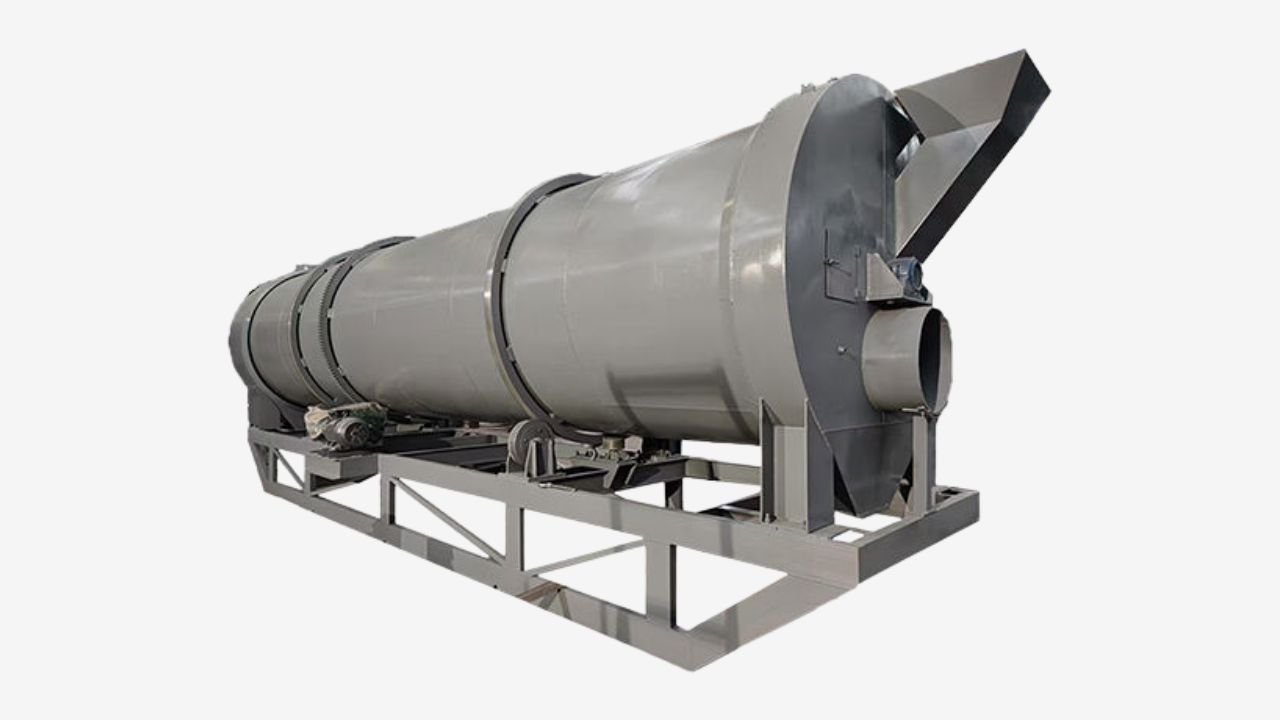
Food Processing Industry
· Drying Grains
Rotary dryers dry gathered grains to eliminate the chances of microbial growth and losses after harvest.
· Drying Coffee Beans
After washing or fermenting coffee beans, coffee producers make use of rotary dryers to eliminate moisture. When you dry the beans regularly, you minimize, enhance the beans’ flavor, and you also guarantee uniform drying.
· Processing By-products
Food factories minimize waste by drying and processing by-products for feed substances or industrial additives using rotary dryers. The dryers stabilize pulps, peels, and spent grains, and transform them into profitable final products.
Chemical Industry
· Drying Chemical Crystals
Crystals of chemicals need to be carefully dried to get uniform particles and a stable chemical quality. Therefore, rotary dryers tumble gently to regulate heat and maintain constant airflow, resulting in high-quality dry crystals.
· Ethanol Production
Ethanol plants have installed rotary dryers in the distiller’s grains to absorb moisture after fermentation.
The process generates a stable co-product that can be used as animal feed for a long time, adds value to products, and helps in sustainable biofuel production.
· Drying Salts
The purity of salt products is ensured through homogenous drying to avoid clumping.
Rotary dryers produce free-flowing salt available to either packaging or chemical processes.
· Drying Chemical Powders
Chemical powders usually have set controlled moisture levels to flow easily and be effective. That is where rotary dryers come in; they dry pigments, catalysts, detergents, and specialty powders.
Waste Management Industry
· Drying Bio Solids
Use rotary dryers in municipal and industrial plants to dry biosolids for safe disposal or reuse.
Small dry solids are easier to handle and less costly to transport, leading to effective waste management.
· Drying Municipal Solid Waste
Use the rotary dryer technique to remove water from waste, these results in higher calorific value and effective waste-to-energy conversions.
It improves the quality of waste recovery processes in the modern world.
· Drying Sludge
Most industrial sludge has a high water content, which makes it difficult to dispose of and process.
This is where a rotary dryer comes in; it sucks and removes water from sludge, making the material lighter, stable, and easier to handle.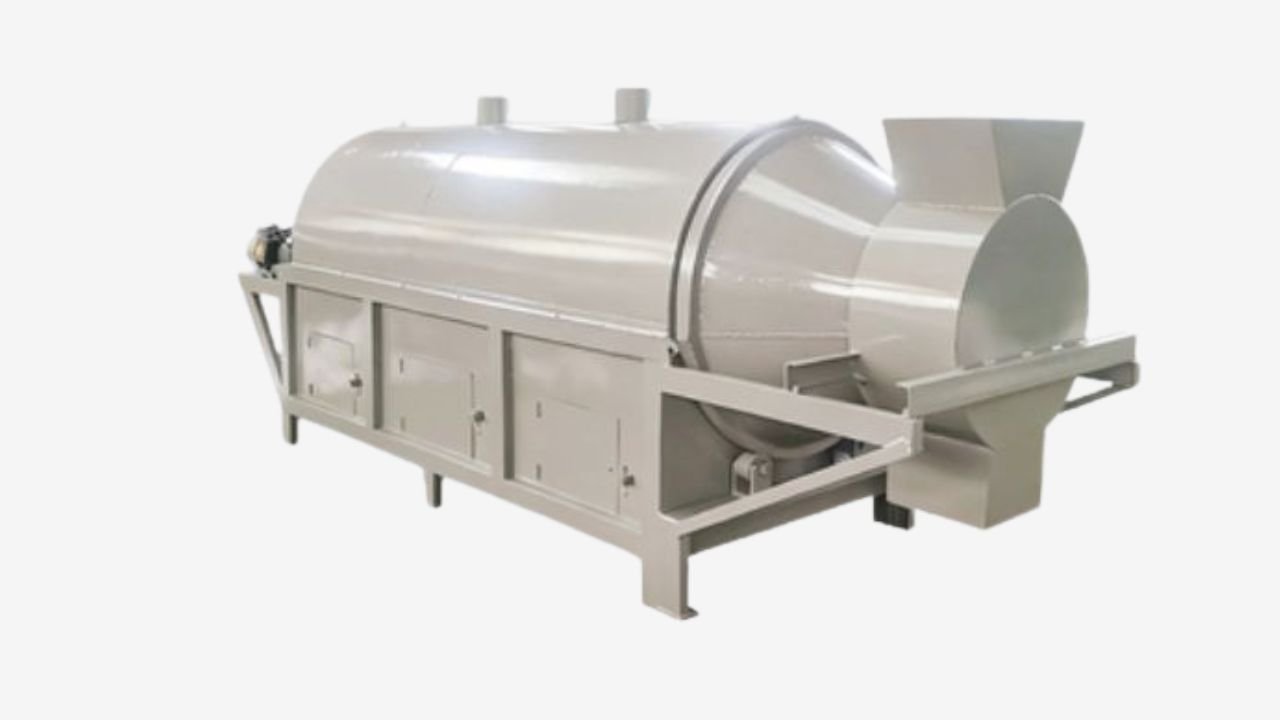
FAQs
1. What are the advantages of rotary dryer systems?
Rotary dryer systems come with uniform drying, flexible configuration, high capacity, and reliable performance on various materials.
2. What are the disadvantages of a rotary dryer?
The rotary dryers are heavy energy consumers with high maintenance costs. Also, to achieve an ideal operation, you have to maintain their components frequently.
3. How does a rotary dryer work?
It uses heated airflow to rotate materials and minimize the moisture level, promoting continuous, even drying.
4. What are the different types of rotary dryers?
Direct dryers, indirect dryers, triple pass dryers, and special rotary drum dry systems.
5. How efficient is a rotary dryer?
The thermal efficiency of a rotary dryer, and hence its efficiency, is between 30 and 80, and this is again dependent on the design and operating conditions.
FanQun, Your Trusted Rotary Dryer Manufacturer in China
FanQun has been designing and manufacturing rotary dryers for over 20 years. Among our main products include rotary, belt, and spray dryers.
Over the years, we have ventured in R&D to produces highly efficient and reliable material drying systems.
FanQun helps in agriculture, chemical, food, biomass, and waste industries using a customizable high-capacity drying system. So far, we have partnered with over 700 businesses globally as their main supplier of rotary drying systems.