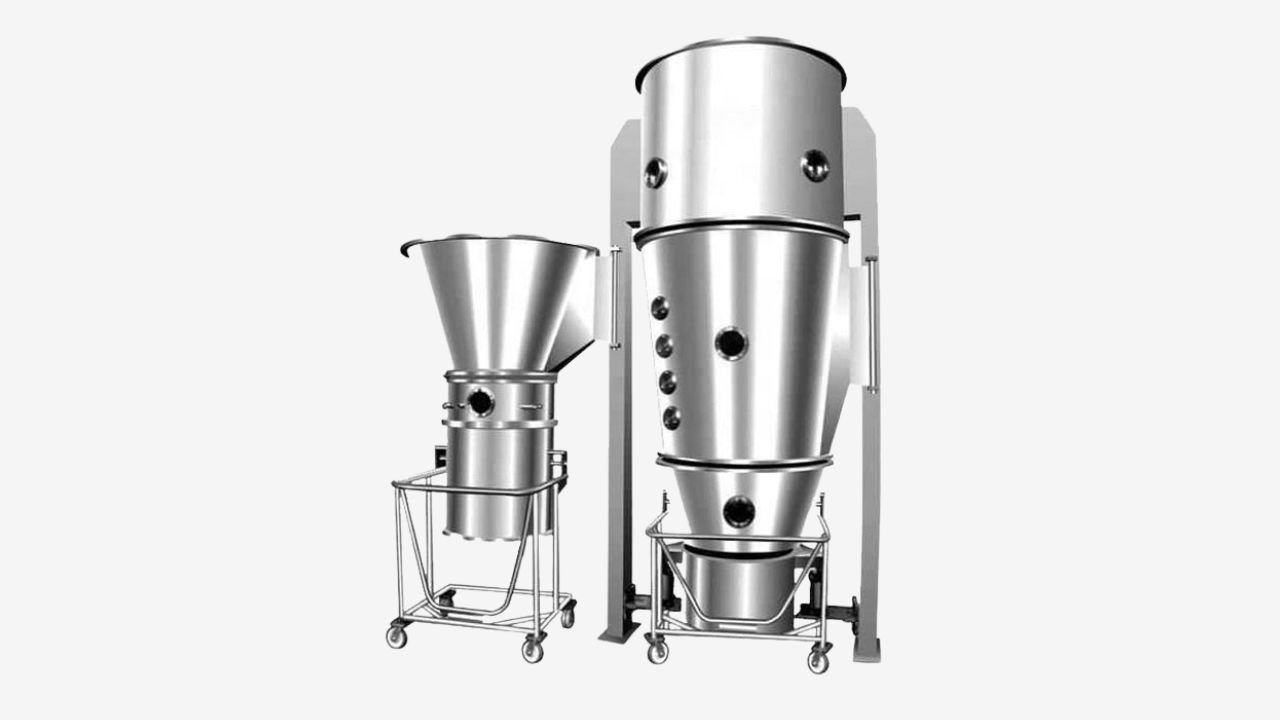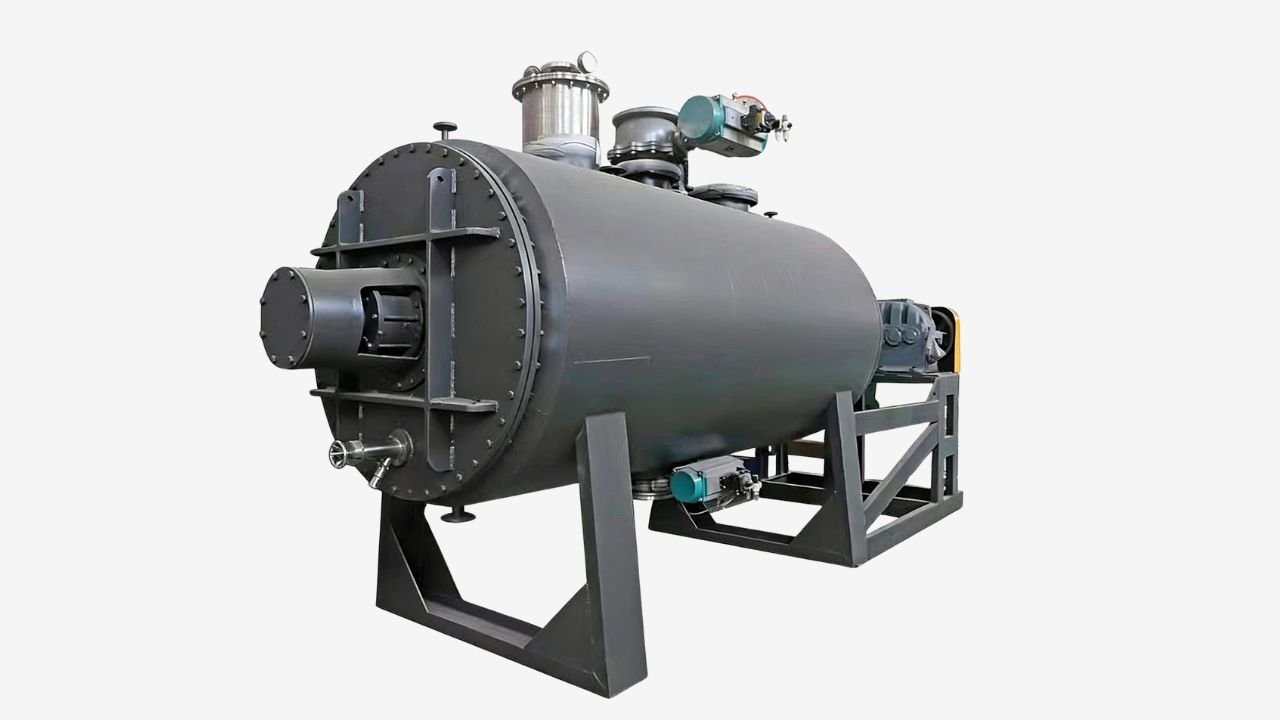
Industrial mixers are available in different designs, each adapted to perform specific functions or accommodate various applications in pharmaceutical, food and any other material processing industry.
When selecting an industrial mixer, you should consider type of materials, design, efficiency, and working mechanism, among other variables.
Today, we will help you choose the right mixer for you industry, by exploring the most common designs in the market.
What are Industrial Mixers?
These are powerful devices designed to handle and uniformly mix large quantities of product at a time. Industrial mixers are used in the manufacturing process of various products across multiple fields such as food, pharmaceuticals, cosmetics, and construction, among others. It is used to process large quantities of materials in various states, including solids, slurries, liquids, or gases.
Function of Industrial Mixers
Fitted with tools such as blades, ribbons, or impellers, these devices’ primary function is to mix different ingredients in various states to form a uniform mixture. The devices continuously mix large loads of the raw material for a specified duration. This is achieved through the following processes,
- Homogenization
- Dispersion and emulsification
- Heat transfer enhancement
- Suspension and agitation
Types of Industrial Mixers
There are different variations of industrial mixers with different features. Industrial mixers can be classified into seven broad categories, which are as follows
By Mixing Action
· High Shear Mixers
This is a variation of mixers that rely on rotor-stators equipped with elevated speeds. High speeds featured in this device are required to generate enough shear force to emulsify liquids, break down solid particles, and evenly distribute dispersions in materials that are viscous.
The device features a rotor fitted with blades that rotate within a stator that remains stationary. The material placed in the device is pulled through a minute opening and is exposed to centrifuge and hydraulic forces, which pulverize the material, reducing its particles to droplet sizes. If you are looking to add a mixture to your automated manufacturing line, then this device is highly suitable.
· Low Shear Mixers
For products that require reduced shear stress, the low shear mixer is the best-suited mixer variation. These devices have a very low operation speed, which relies on the material flow for mixing. It is especially ideal for fragile material that needs to remain mostly intact.
The reduced speed does not result in a lot of heat, making it suitable for heat-sensitive materials. Although the machine has a low speed, it features elevated torque. Elevated torque combined with the low speed makes it compatible with viscous material.
· High-viscosity Mixers
This type of mixer is ideal for mixing dense and resistant materials that do not easily flow. Materials that feature over a hundred thousand centipoise, such as various types of gels, pastes, and adhesives, are better suited for this variation.
These devices utilize elevated torque combined with reduced speed impellers to create laminar bulk flow as well as scrape material from the walls of the basin. Impellers used in these devices include helical ribbons, planetary blades, or anchors, which are ideal for maintaining flow without breaking down the material.
· Radial Flow Mixers
Featuring specialized impellers such as flat blades or turbines, this type of mixer functions by pushing the material to the walls of the vessel before turning it up and down. It relies on movement, which is generated perpendicular to the shaft which resulting in a high shear force.
This device is compatible with baffle tanks featuring side-to-side material flow. This sideways flow is ideal as it prevents vortexing. It also features axial flow located at the bottom of the tank, which aids in moving the material up and down, ensuring a uniform mixture.
· Axial Flow Impellers
These impellers can be classified as low shear mixer components. They are commonly fixed at a 30–45-degree angle, which results in minimal turbulence while still generating elevated axial flow.
You can utilize these components for products with low to medium viscosities of up to 3,000 cP in large quantities, as they are better suited for bulk movement. These components are the material parallel to the shaft. This parallel motion, in turn, amplifies the up and down movement of the materials in the mixer.
· Tangential Flow Impellers
This variation of the industrial mixer relies on the parallel movement of fluid in relation to the position of the rotating impellers. This motion generates a circular movement in the mixing tank around the shaft. Impellers feature in this machine rotate at reduced radial speed; it, however, features elevated tangential velocity.
Reduced radial flow coupled with elevated Tangential velocity can limit the mixing process by causing the formation of vortices. This negative effect is combated by introducing wall baffles, which introduce axial or radial flow, allowing the material to uniformly mix.
By Machine Design
· Ribbon Mixers
This type of industrial mixer features a horizontally positioned U-shaped basin fitted with a rotation shaft at the center, which contains helical ribbons located on the inner and outer blades. Ribbons extend outwards and get very close to the wall, leaving only a small gap. This gap ensures that even the smallest clumps are broken up and evenly mixed.
Dry powders and granules are the most suitable for this type of device. It is also designed to accommodate large volumes of products, making it highly suitable for bulk production. 
· Paddle Mixer
Featuring flattened or angled blades fitted onto a horizontal shaft, this type of mixer features a U-shaped trough. The paddle-like blades feature moderate speeds of around 100 rpm, which makes it ideal for processing fibrous, cohesive, or sticky material.
Rotating paddles generate a tumbling motion that lifts the material and pushes it both radially and tangentially. This movement generates superior laminar flow, which, combined with shearing, results in an even mixture.
· Tumbler Mixer
These are a variation of industrial mixers, which rely on gravity-aided tumbling of the different materials. Materials to be mixed are placed inside a rotating chamber, which varies in design depending on the type of the design of mixer. This chamber is placed onto a horizontal axis that rotates at low speeds ranging from 10-30 rpm.
Tumblers are for products that need to remain intact as they mainly generate motion, which keeps the material in a state of constant motion, allowing them to mix through diffusion as opposed to relying on generated mechanical forces. They come in different variations, with some having additional features such as extra arms for added functionality.
· Planetary Mixers
These specialized mixers feature a combination of rotating and revolving impellers that are fixed onto a centralized axis. Mixers of this design get their name from their similarity to the planetary movement featured in them. These unique movements allow the mixer to create a uniform blend of various materials.
Blades featured in this mixer rotate on their own axis while the central shafts revolve around the length of the bowl. This combination generates axial, radial, and tangential flows. The comprehensive motion created by these mechanisms eliminates any dead zones, ensuring maximizing the devices efficiency in creating a uniform blend of various materials such as doughs, emulsions, as well as high viscosity pastes.
· Static Mixers
This is a unique type of mixer that does not involve a lot of moving parts like traditional mixers. Motionless, this type of mixer incorporates into pathways such as pipelines that have a constant flow of material. The devices using static energy to lift the particles allow them to blend as they move.
This device is fitted with helical baffles, twisted tabs, and plates. These components help to break down, pull, and recombine the material in the pipeline. The elements rotate at a ninety-degree angle, ensuring the materials are uniformly mixed.
· Emulsifier
Featuring a rotor stator with elevated speeds of up to 10,000 rpm, this mixer is typically used when combining liquids with varying properties, such as oil and water. The increased speed of the device generates very high hydraulic shear and turbulence as it pulls the material, allowing the droplets to be pulverized.
This is an automated process and involves fluid recirculation, which is handled by the batch units. It also features inlet pumps, which continuously feed fluid into the mixing tank
· Drum Mixers
Featuring drums used as mixing containers that are rotated using the tumbling method, this is a type of mixture that mainly relies on gravity to help with mixing. This is a versatile method and can be used to mix a wide range of materials such as liquids, slurries, and powders.
This mixer does not involve using internal agitators to aid the mixing process. Barrels featured in this design are slowly spun at low speeds ranging from. There are more specialized designs featuring impellers mounted onto an open drum for elevated shear force.
Mixer Configuration
· Horizontal Mixers
Troughs are used as mixing chambers in this design are horizontally installed as well as their shafts. This setup is ideal for mixing a wide range of products with varying properties, such as powders, granules, paste, or slurry. It is a suitable addition to an automated manufacturing line as it allows for continuous mixing of large batches of material. A typical cycle takes 5–20 minutes per batch, depending on the quantity and type of material being mixed.
This device has a tube-shaped container featuring a pair of rotating shafts. The shafts have different types of impellers attached, such as paddles, pins, or ribbons, among others. The elements generate both axial and radial motion, ensuring the resulting material is uniformly mixed.
· Vertical Mixers
Featuring a vertically positioned mixing chamber, this type of blender is compatible with a broad range of materials. It is especially ideal for situations where space is a limiting factor, as it has a compact design that allows it to fit in small spaces.
This mixer relies mainly on gravity as opposed to mechanical force. Vertical cylinders in this design are fitted with an eccentrically positioned impeller, which lifts the material while gravity pulls it down.
Mode of Operation
· Batch Mixers
Instead of the continuous load feeding featured in traditional industrial mixers, batch mixers mix a fixed volume of product at a time. All the material required in the final product is fed into the mixing container, each volume accurately added as it does not accommodate adding after the initial input. The materials are rotated at a set speed for a specified duration.
· Continuous Mixers
Continuous mixers are the most commonly used variation of mixers, typically incorporated in an automated line-up up making them ideal for industrial applications. This device allows you to constantly add raw materials as it continues the mixing process. The continuous mechanism featured in this design is especially ideal for large-scale operations.
Industrial Mixers by Materials
· Powder Mixers
Powder mixers are designed to create a uniform blend from various powders. Features vary depending on the type of powder mixer you have. It can be used in a wide range of fields, including pharmaceutical, food, chemicals, and cosmetics applications.
· Liquid Mixers
Just as the name suggests, this type of mixer is primarily used to mix a wide range of liquids. This type of mixture is mainly used for pharmaceutical, cosmetic, and food-related applications. They are available in different configurations depending on the properties of the liquid.
Specialized Industrial Mixers
· Sanitary Industrial Mixers
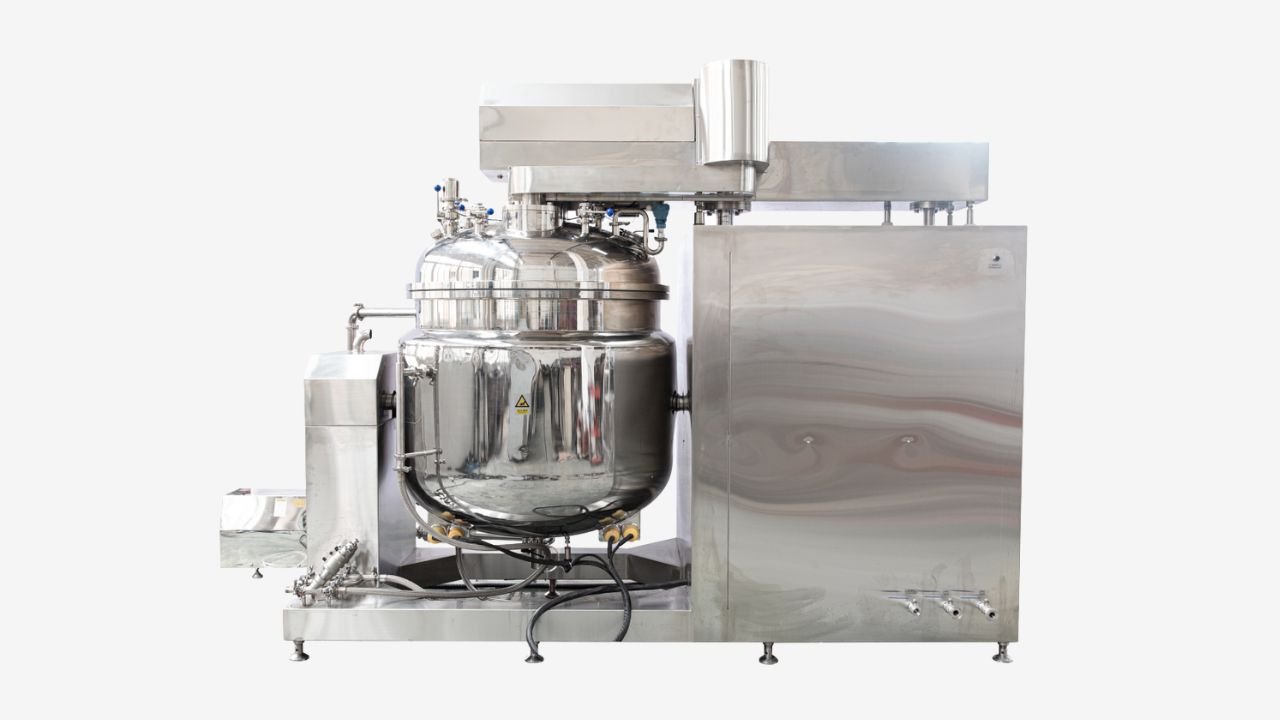
Sanitary mixer variations are specialized machines designed to meet and maintain highly strict hygiene standards. These machines are mainly utilized in food, cosmetic, and pharmaceutical products, which require more sanitary conditions than other industrial products. Food-grade and other high-grade stainless steel are the key materials used to design this type of mixer.
This mixer features smooth, polished surfaces with seamless welds to prevent possible contamination from microorganisms by reducing and eliminating harborage points. It also has sanitary shaft seals and removable drainage parts. Compliance with FDA, 3‑A, USDA, and GMP, in addition to validated cleaning, is also required for this variation.
· Refractory Mixers
For your high-temperature resistant materials that are also abrasive, the refractory mixer is the best-suited type of mixer to get. This industrial device features counter-rotating blades or planetary tools and robust pans designed using heavy-duty metals such as hardened steel or its alloys. The device is designed using this sturdy material that can withstand wear from the abrasive materials that it is used to mix.
Materials mixed by this device include: mortars, ramming mixes, silica, alumina, and zirconia aggregates, castable, and gunning compounds. It is designed for medium to large-scale enterprises as it features a capacity of 100-5000 kg per batch.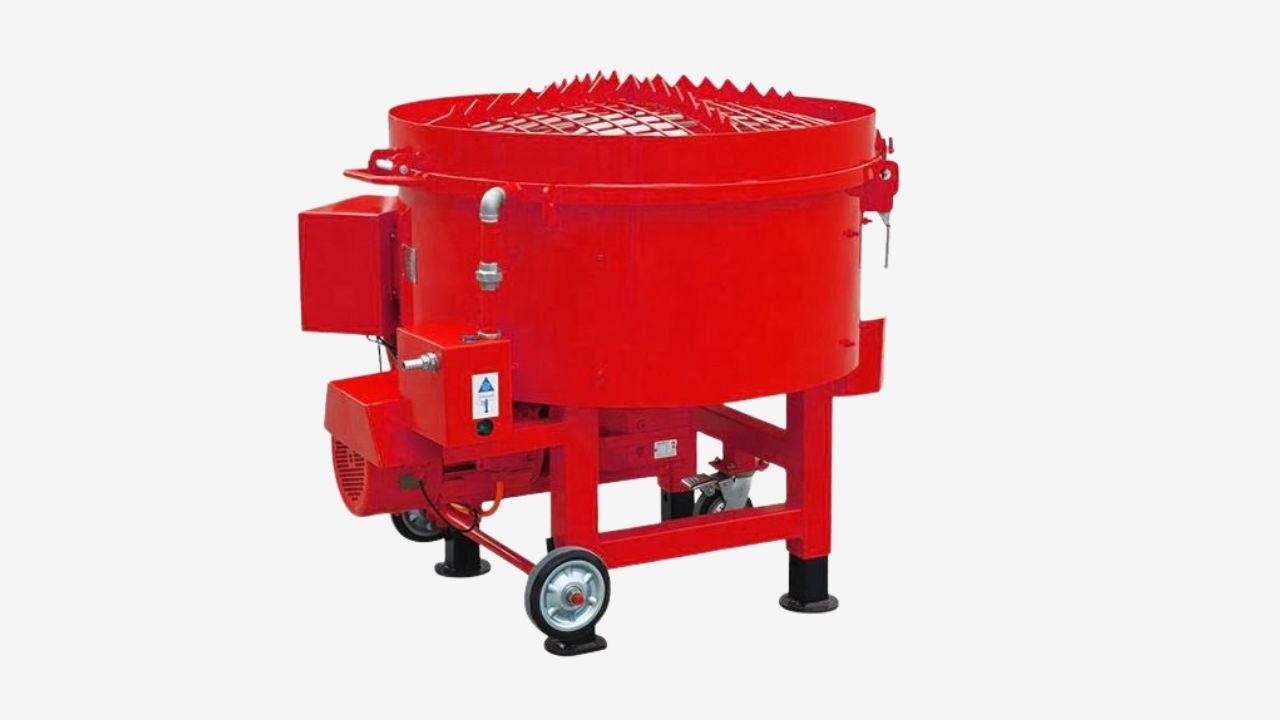
FAQs
1. What is the difference between industrial mixers and agitators?
Mixers are devices that are used to create a uniform blend of different materials using different mechanisms.
Agitators refer to devices used to keep the material in a constant state of movement, such as flowing liquid or suspended solids.
2. How do you choose the right mixer for your industry?
Selecting the right type of mixer for you depends on several factors. Here is a summary in the table below:
| Type of Material to Mix | Recommended Type of Industrial Mixer |
| Dry Powers | · Tumbler mixer · Paddle mixer · Ribbon mixer |
| Abrasive Material | · Heavy duty paddle mixer |
| High viscosity paste | · Planetary mixers · Mixers that generate high torque |
| Heat sensitive material | · Lowe shear mixer |
3. What is the price of industrial mixer machine?
Most industrial mixer prices will start from about 1,000 USD, depending on the design and model. The best way to get accurate price of an industrial mixer is to contact the manufacturer – talk to FanQun sales team now.
4. What are the main components of industrial mixers?
- Motor
- Gearbox
- Shaft
- impellers or blades
5. What is the best material for industrial mixers?
Food-grade stainless steel 304 is the most utilized material used you can consider 316 or 316 L for better quality.
FanQun is your Trusted Industrial Mixing Machine Manufacturer in China
At FanQun, we design and manufacture different industrial mixing machines, which are optimized for unique material processing needs.
Whether you are mixing material that require high shear mixing, or heat sensitive materials, our engineers will recommend a perfect mixer for your material processing. With FanQun, you get a complete turnkey solution for your material mixing needs – Download our mixing machines catalogue now.