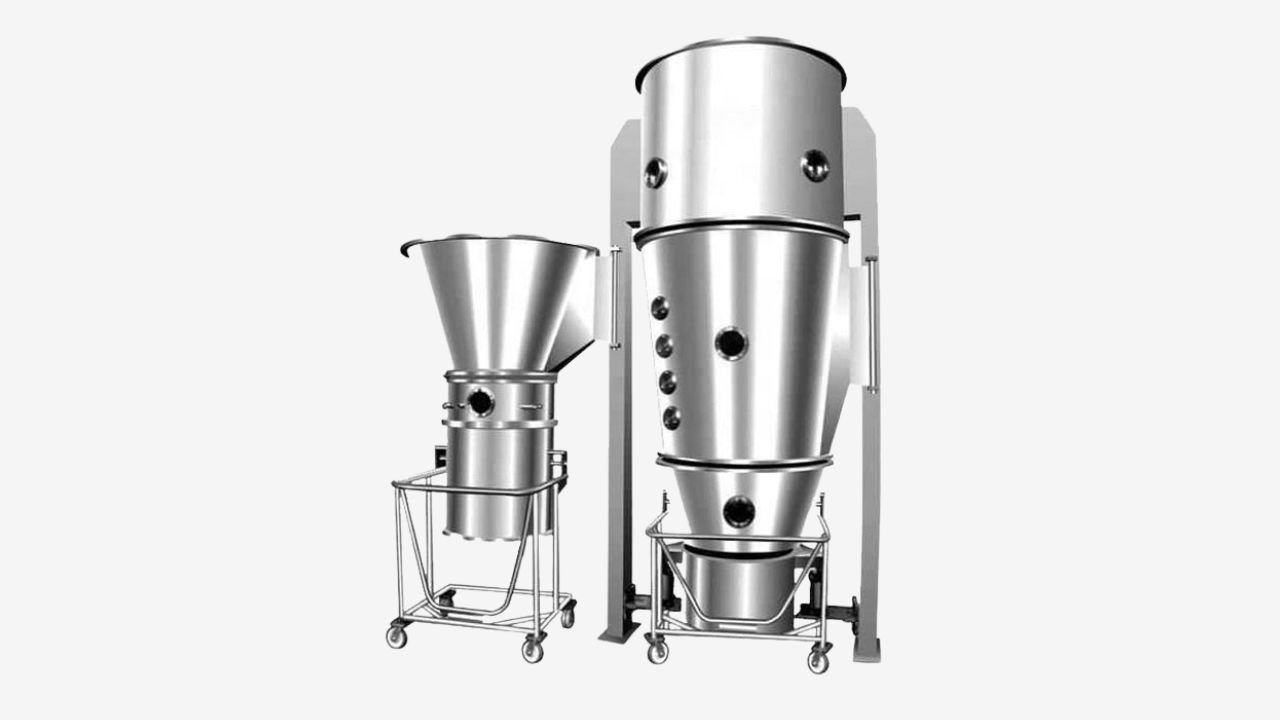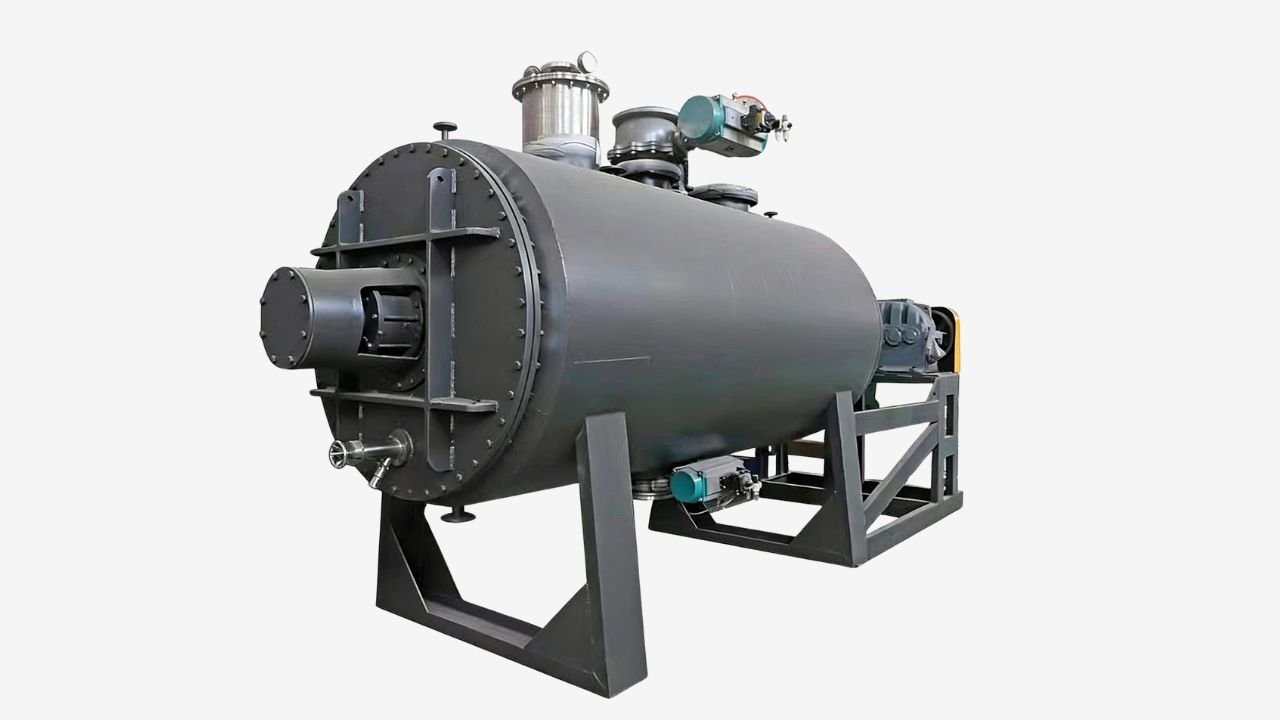
If your factory is processing thermally stable, non-sticky, free-flowing, and abrasion resistant materials, then definitely choosing a fluid bed dryer will be a wise idea.
However, which type of fluidized bed dryer should you choose for your material processing?
That is exactly what we are going to explore in this article. Remember, we have at least 11 popular types of fluid bed dryer. Therefore, for higher drying efficiency, you must select the best machine design.
Based on Mobility
1. Stationary Fluid Bed Dryers
You apply the stationary fluid bed dryers when you require a fixed high capacity drying system in continuous or batch operations. These dryers are fixed on a single point providing you with a fixed air moves pattern and a constant quality of products. Stationary is appropriate where large quantities of powders, granules or crystalline products are being handled.
2. Mobile/Portable Fluid Bed Dryers
These mobile systems enable you to transfer the equipment among the production rooms or pilot facilities without undergoing significant installation processes. Mobile units are applicable in research laboratories, small producers, or processes involving numerous products that have to change over. You have the advantage of small size, minimal controls, and fast installation, which saves time and minimizes downtime.
Portable fluid bed dryers enhance your testing fluid formation, up-scale processes or specialty materials. Their flexibility allows them to fit flexibly to changing production needs and provides consistent drying performance in use.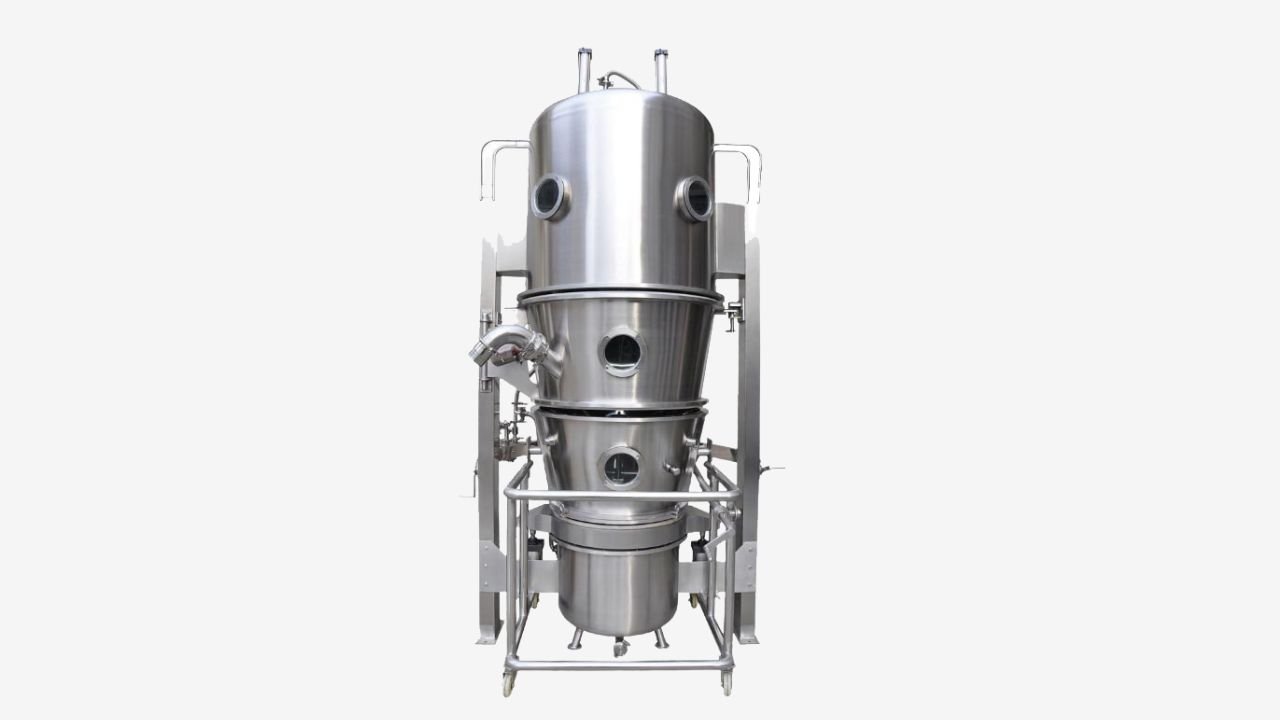
Based on Operation Mode
3. Batch Fluid Bed Dryers
In cases where you want complete control of a drying cycle, you use batch fluid bed dryers. You insert a predetermined volume of material into the chamber, and the process treats it as one batch. Temperature, airflow, and drying time are adjusted to meet the desired moisture level.
This design is beneficial to you in the handling of delicate powders, specialty chemicals, herbal extracts and pharmaceutical granules that must be of a high quality consistency. You also minimize cross-contamination since each batch is handled individually..
4. Continuous Fluid Bed Dryers
Continuous fluid bed dryers are used when you require a constant, high capacity process of drying. The material is fed into one side of the dryer, and then it flows across the fluidized chamber, and then out of it to the required level of moisture. It can be easily combined with upstream and downstream machinery like conveyors, feeders, and coolers.
Based on Airflow Pattern
5. Vertical Fluid Bed Dryers
When you need an effective drying process with a small footprint, you use a vertical fluid bed dryer. Here, you inject on the bottom and force the air up through the product and do this until the fluidization is uniform. You enjoy great heat and mass transfer since the airflow lifts off, mixes, and suspends the particles.
The result is quicker drying duration and uniform moisture levels and this design is ideal when using fine powders, granules and pharmaceuticals. Cleaning and maintenance is also made easy because of the simple vertical chamber. You select this type in cases where space is a constraint as well as when drying efficiency is required and repeatability is a necessity.
6. Horizontal Fluid Bed Dryers
A horizontal fluid bed dryer is used when you require the ability to process larger quantities with increased residence time control. The product in this design travels in horizontal deflection on a perforated bed with air flowing upwards to fluidize and dry the product. You have a better ability to handle heavier, wetter, or more irregular materials, as the longer bed can be moved slowly and more evenly.
You attain stable operation that is continuous and appropriate to food, chemical and mineral products. You also minimize the chances of degradation of the product because of smooth movement. You choose this dryer when you require high throughput, predictable performance, and flexible processing.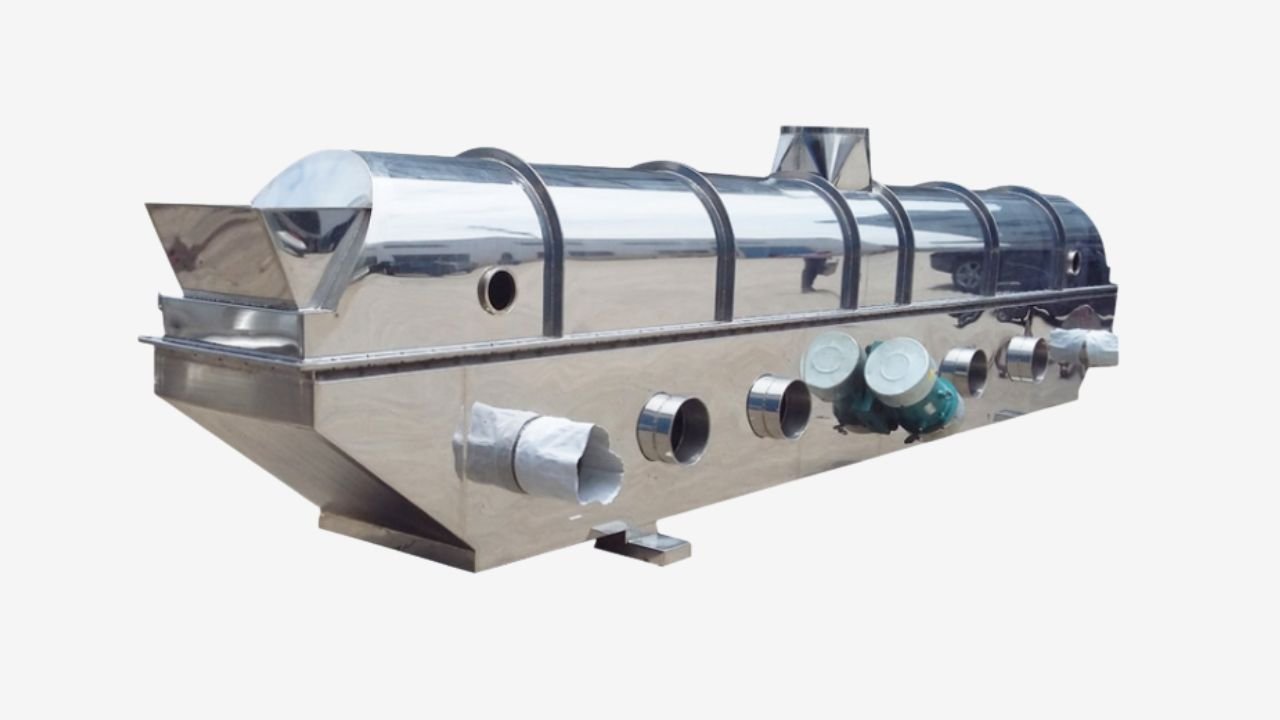
Based on Functional Design
7. Conventional (Single-Stage) Fluid Bed Dryer
When you require dependable, simplified drying delivery, you employ a traditional single-stage fluid bed dryer. You force hot air through the perforated bed and the fluidizing of the particles is done by the air, enabling the moisture to be removed effectively. The system uses fewer mechanical components, so you enjoy ease of operation, consistent performance, and reduced maintenance.
You obtain even drying in cases where there is equal particle size and a moderate level of moisture in the product. You can adjust temperature, air flow and residence time to suit your material requirements. When you require reliable drying without complicated stages of processing, you normally use this design in pharmaceutical, chemical and food markets.
8. Multi-Stage Fluid Bed Dryer
You have a multi-stage fluid bed dryer when you have a product that needs specific drying at various levels. You pass the material through distinct stages where each step incorporates controlled airflow, temperature, and residence time. This provides you with a superior moisture profiling since each section is dealing with a particular drying need.
You save energy as you reuse heat between processes and streamline airflow. You also minimize thermal stress to heat sensitive products since you can stepwise modify the intensity of drying. You are using this dryer to have complex powders, agglomerates, and content that requires uniform final moisture content.
9. Vibrating Fluid Bed Dryer (VFBD).
When working with sticky, irregular or fragile particles whose movement must be controlled, you use a vibrating fluid bed dryer. You use vibration to aid fluidization, clumping is avoided and drying uniform. You are able to get good material flow since vibration propels particles softly and does not demand a lot of airflow.
You work well with low velocities of gas, enhancing energy and minimizing product degradation. You use VFBDs with heat-sensitive powders, food products, detergents, plastics, and chemicals. You have a more precise control of residence time and minimise potential channeling or dead zones. You control product quality by stabilizing fluidization behavior.
10. Fluid Bed Granulator/Dryer
You select a fluid bed granulator/dryer when you require mixing, agglomerating and drying in a single system. You spray a binder solution onto fluidized particles and the droplets make the powder to assume a granular shape. Then, you use hot air to dry the granules, and the required size, strength, and moisture degree is achieved.
The advantage is that you have quick processing since the process of granulation and drying takes place at the same time. You apply this system in the production of pharmaceuticals, chemicals, and food where you have uniform, free flowing granules. You increase product compressibility and lessen dust, and improve flow characteristics.
11. Fluid Bed Coater/Dryer
A fluid bed coater/dryer is used when you require a uniform coating applied onto a single particle, granules, or pellets. You spray a coating solution or suspension when the particles are in a fluid and they are uniformly distributed on all surfaces. With the controlled airflow you dry the coated material, solidifying the coating layer.
You depend on this system to provide taste-masking, controlled-release formulations, moisture barriers and color coating. You obtain uniform coating thickness and good surface appearance. You apply it widely in pharmaceutical, food and chemical sectors. The same process gives you high product uniformity, less agglomeration, and efficient drying.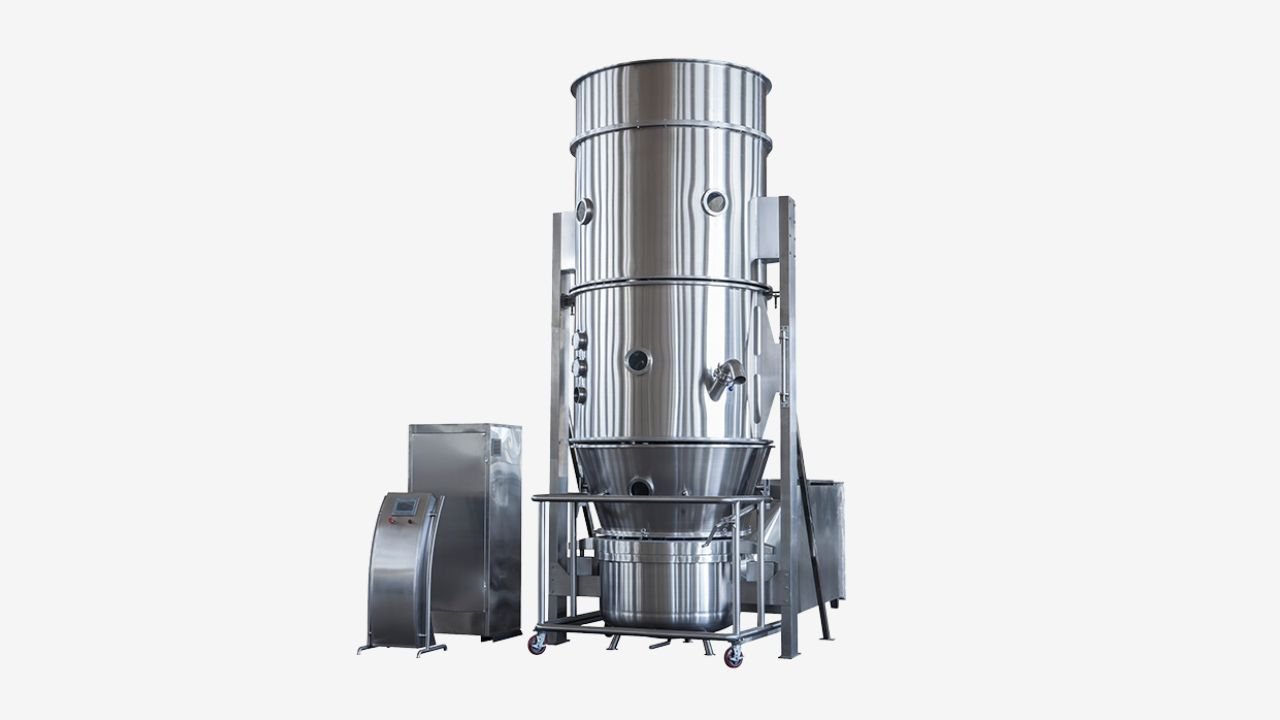
Comparison of Different Types of FBD
| Comparison Type | Key Differences | Best For |
| Batch vs. Continuous | Batch has flexibility, small batches, and is able to control it, continuous has high throughput, consistent product flow, and automation. | Strategic alliance: specialty chemicals, pharma R&D. Constant: bulk foodstuff, manure, mineral. |
| Vertical vs. Horizontal | Vertical follows an upward airflow, compact design, high fluidization; horizontal flows material over a broader bed, light movement, fragile materials. | Vertical: drugs, instant powders. Horizontal: food particulates, chemicals, heat-sensitive granules. |
| Conventional vs. Multi-Stage/Vibrating | Conventional is less complex and cost effective; vibrating is more efficient in fluidizing sticky or irregular particles; multi-stage is more effective on efficiency and uniformity in drying. | Traditional: overall drying requirements. Vibulation: salts, crystals, hard substances. Multi-stage: high-moisture foodstuffs, food powders. |
| Industry-Specific Suitability | Standard dryers are used with simple drying; specialized systems can be used to granulate or coat or process more complex formulations. | Standard: chemicals, bulk materials. Niche: pharma, nutraceuticals, instant foods. |
How to Choose the Right Type of Fluid Bed Drying System
Selecting an appropriate fluid bed dryer is determined by your product, manufacturing objectives, and operational needs.
· Material Properties
Begin with the defined material properties: particle size, moisture content, flowability and heat sensitivity. A vibrating fluid bed dryer is a better choice to handle fragile or cohesive material.
· Determine Level of Production
Small batch or specialty products can be well accommodated in batch dryers but large volume continuous manufacturing is better accommodated in continuous systems. Assess space and layout requirements. Vertical systems conserve floor space, whereas horizontal designs have easier access to cleaning and maintenance.
· Consider End-use Process
In case you require drying and granulation or coating, a fluid bed granulator or coater is the most effective option. Lastly, consider energy efficiency, level of automation, cleaning challenge, and compliance (pharma, food, chemicals).
Conclusion
Fluid bed dryers provide you with an efficient, reliable and highly controllable technique of drying powders, granules and highly sensitive materials. You enhance product quality since the system maintains the suspension of particles and is well exposed to drying air. Its flexibility, its modular design covers, and high performance make it an option to a choice of modern manufacturing.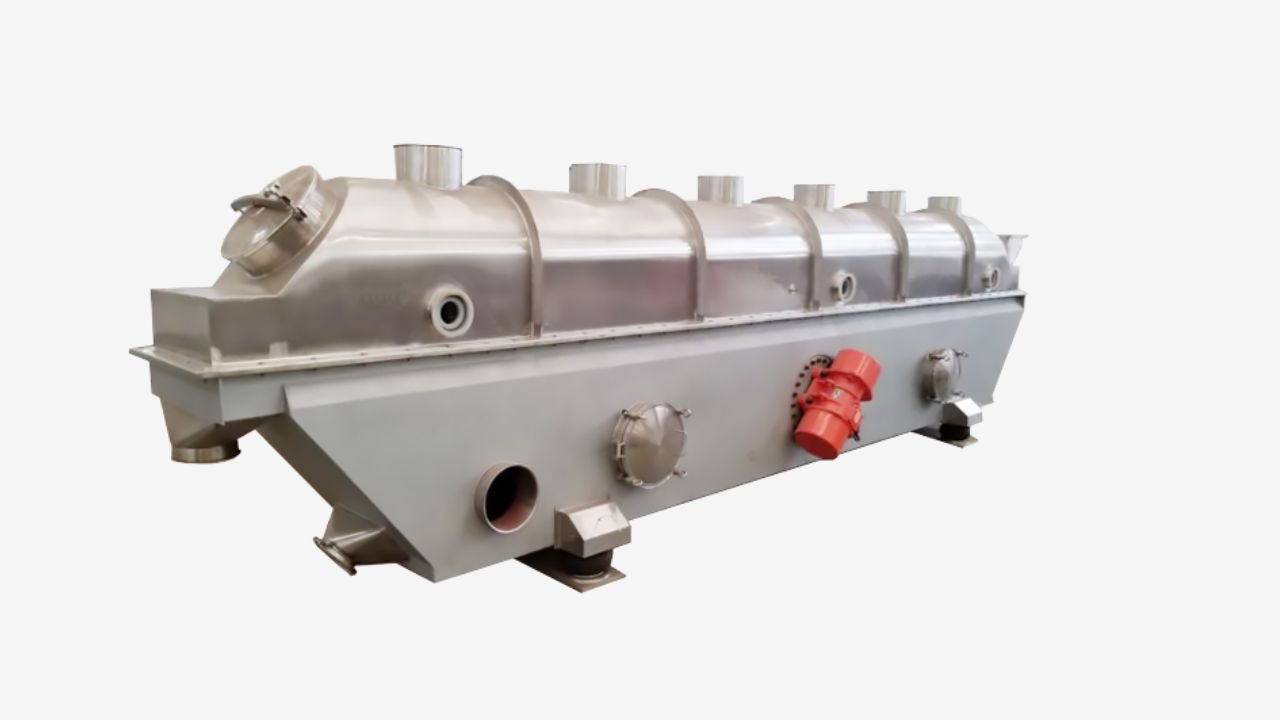
FAQs
1. What are the limitations of a fluid bed dryer?
Fluid bed dryers have trouble with sticky paste-like or highly cohesive materials that are not fluidizable. Typically, some systems have a higher power consumption when the product has long drying times. In the case of temperature sensitive materials, there is the possibility of overheating unless adequate control measures are in place. Moreover, fluid bed drying is not suitable in the case of large, heavy particles which are not easily suspended.
2. What is the basic working principle of a fluid bed dryer?
A fluid bed dryer operates by blowing hot air up through a perforated plate beneath the material. The more airflow, the higher the suspension of the particles, forming a fluidized state.
3. What are the advantages of a fluid bed drying system?
Fluid bed dryers are known to be fast dry, highly effective in heat transfer and effective removal of moisture. They are efficient and in most cases use less energy than the normal dryers. The system also provides you with superior control of temperature, which is why it can be used with heat-sensitive materials.
FanQun is your Trusted Fluid Bed Dryer in China
If you are looking for a fluid bed dryer manufacturer in China, you can trust then FanQun is a reliable partner. FanQun has been designing and manufacturing fluid bed dryers for over 10 years.
We have different types of fluidized bed dryers designs for virtually all material processing needs. In most cases, we customize FBD dryers according to our clients’ specific requests – Download our fluid bed dryer catalogue now.