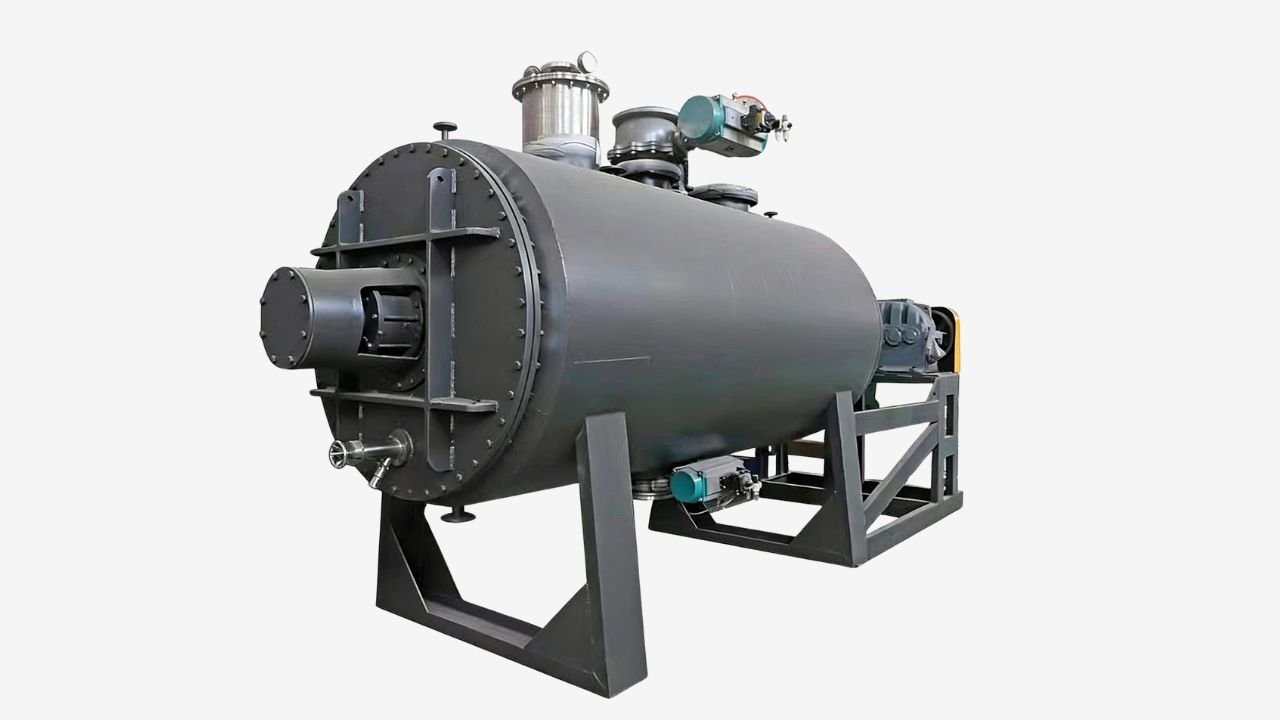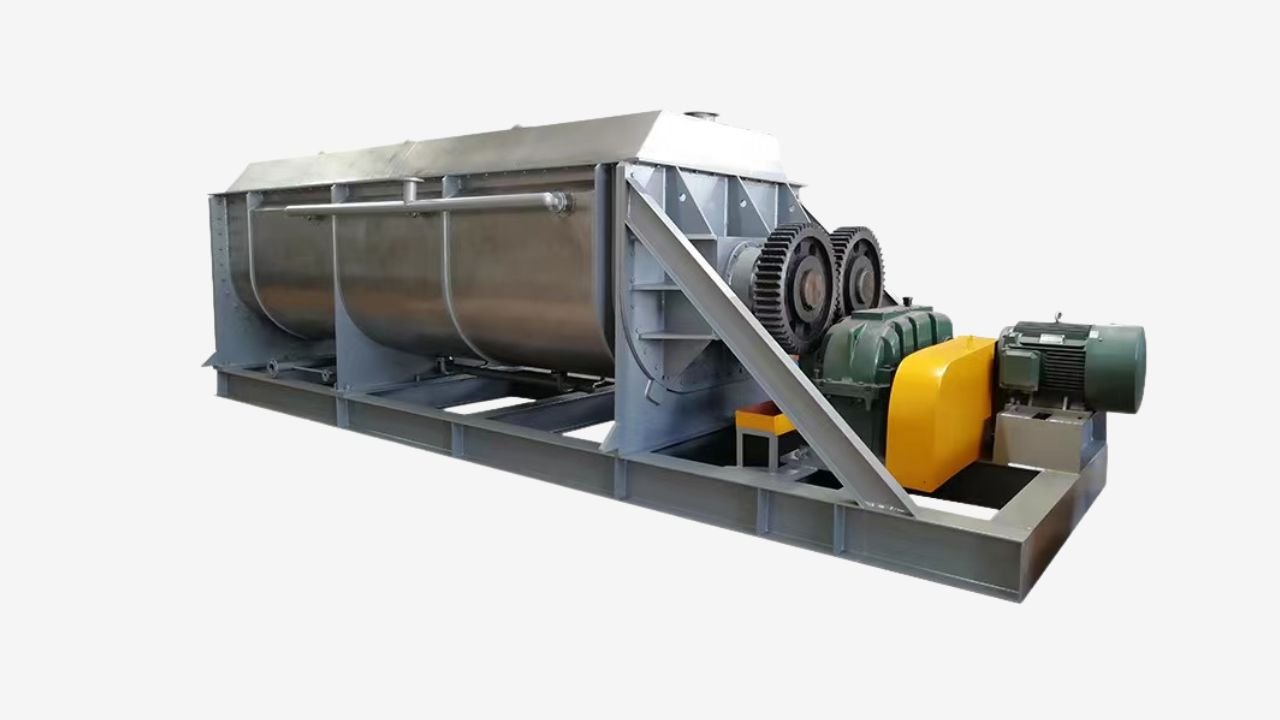
Drying material is an important quality control in most food processing, chemical, pharmaceutical and agricultural industries.
But more importantly, choosing the right drying technique like belt dryer or fluid bed dryer is even more important. You can only decide whether belt dryer or fluid bed dryer is suitable for your material processing once you understand the difference between the two techniques.
Let’s dive right in:
What is Belt Dryer?
A belt dryer is a continuous drying device that places products on a perforated conveyor belt and moves them through heated drying zones.
It offers high product quality and energy efficiency by controlling hot air flow through or over the material to remove moisture. 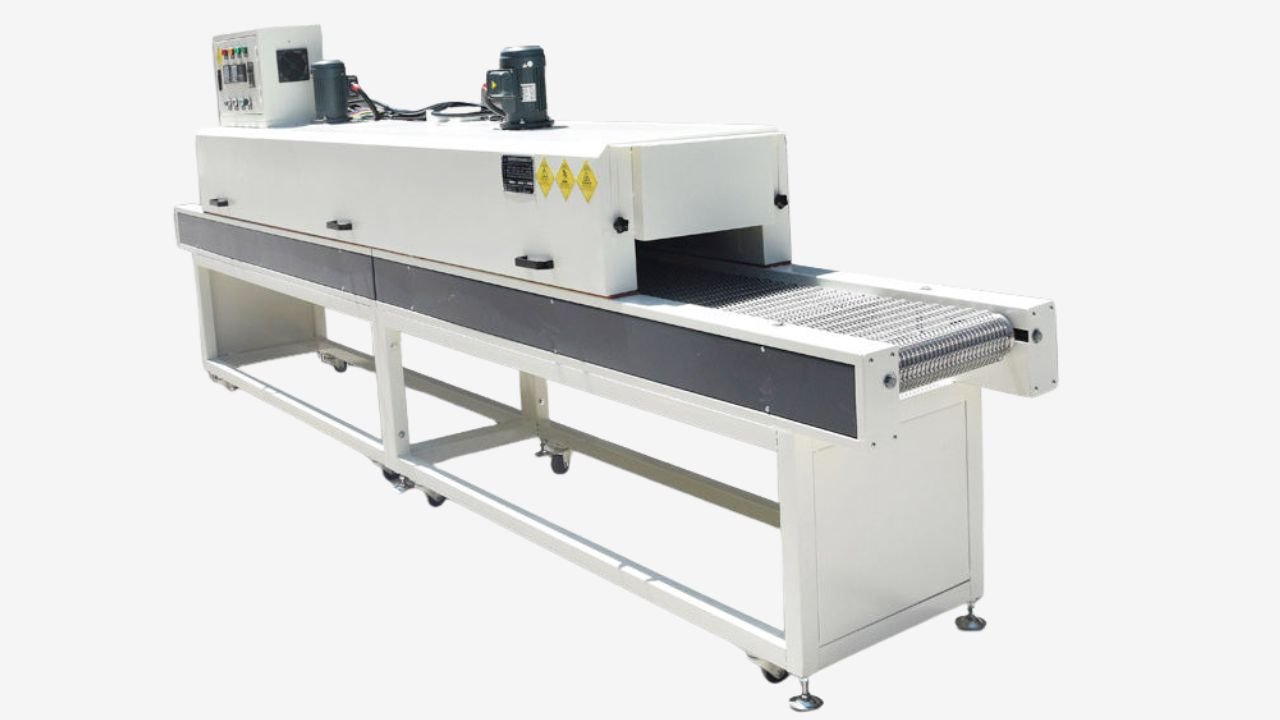
What is Fluid Bed Dryer
A fluid bed dryer is an apparatus that dries products like powders and small particles by mixing them with an upward stream of hot air leading them to fast and efficient drying.
This machine is usually used in the chemical, agricultural, pharmaceutical and food industries.
Differences between Belt Dryer and Fluid Bed Dryer
· Working Principle
A belt dryer dries products when they are placed on a moving conveyor belt thus hot air is passed over or through the material.
While materials stay immobile on the belt, drying happens steadily along the belt’s length.
On the other hand, Fluid bed dryer dries materials by floating and mixing in a hot air thus powder or granules are placed in a chamber with a perforated bottom.
The particles become fluidized by blowing hot air upwards, lifting and suspending the particles. Therefore, drying happens quickly due to intense air contact.
· Product State
A belt dryer handles larger solid pieces like chunks, pellets and granules that stay flat on a moving belt.
Fluid bed dryer handles products that floats and move in hot air like powder and small granules thus they become fluidized and move freely in hot air.
· Drying Efficiency
Belt dryer has a moderate efficiency since drying is slower because air passes over the product layers and so, it is good for larger pieces.
On the other hand, fluid bed dryer has a high efficiency since particles are fluidized and fully exposed to hot air, the material dries much faster.
· Product Handling Mechanism
Belt dryer is best for fragile pieces since the material lies on a moving conveyor belt and carried through the dryer in a gentle manner.
Looking at fluid bed dryer, it is best for free-flowing powders and small granules since the product is lifted and suspended by upward-flowing hot air hence they move freely.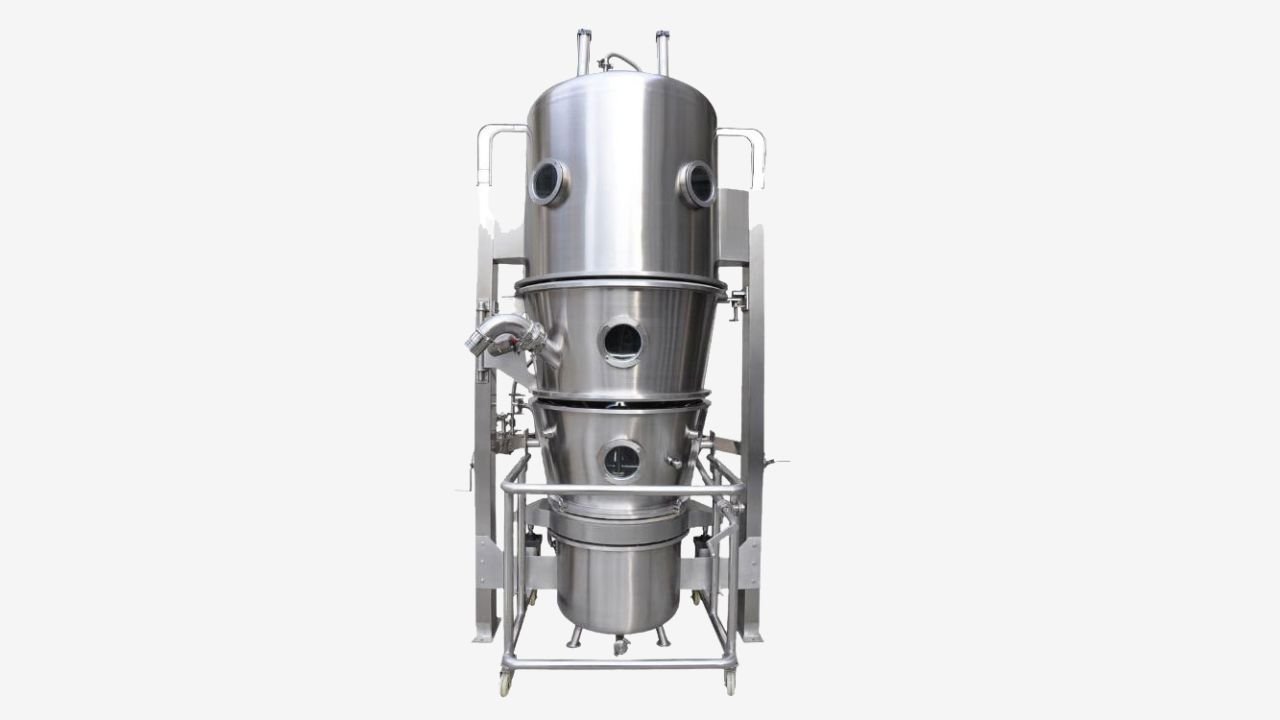
· Moisture Removal Rate
Belt dryer has a slower moisture removal because heat transfer is limited to the surface of the material thus taking longer for thick products to dry
Fluid bed dryer has a fast moisture removal because materials are exposed to hot air fully therefore, very efficient for uniform drying.
· Drying Uniformity
Drying depends on belt speed and air distribution, therefore, belt dryer has moderate uniformity because some parts dry faster especially thick layers
Fluid bed dryer has a high uniformity by mixing the particles continuously and removing moisture uniformly from all particles.
· Residence Time
Belt dryer offers a longer, adjustable residence time, making it the best for large or thick particles that require more time to dry.
Fluid bed dryer is ideal for fast drying of powders and granule because it has a short residence time therefore; particles are fluidized and dry quickly.
· Thermal Efficiency
Belt dryer has a moderate thermal efficacy, as some heat is lost with exhaust air and only the surface of the material is exposed to hot air.
Fluid bed dryer has a faster and high thermal efficiency due to its continuous mixing and full air contact thus to ensure maximum heat transfer to particles.
· Cleaning and Maintenance
Belt dryer has fewer moving parts exposed to dust and fines thus making it easier to clean and maintain.
However, conveyor belt and trays can be accessed and cleaned manually.
Fluid bed dryer require a more complex cleaning and maintenance since finer powders can cause clogging and wear in parts.
The fluidization chamber, air ducts and filters require consistent cleaning.
· Installation Space Requirement
Belt dryer entails more space due to its continuous drying operations and long conveyor belts that take up significant floor area.
While fluid bed dryer is perfect where space is partial hence vertical design and compact fluidization chamber save floor area.
· Cost of Drying Equipment.
Fluid bed dryer has a higher cost due to its complex design which includes air handling system, fluidization tools and filters.
On the other hand, belt dryer has a moderates cost due to its simple mechanical design that is easier to manufacture and maintain thus good for irregular products.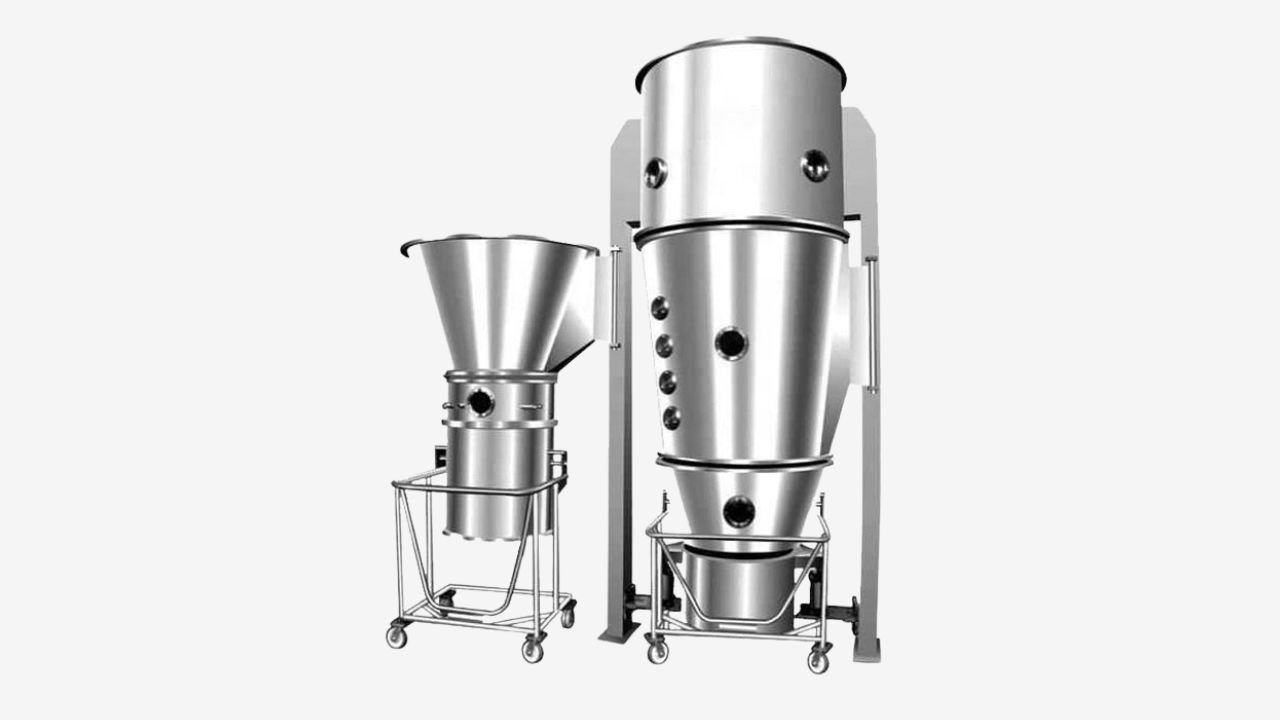
Deciding when to Choose Belt Dryer or Fluid Bed Dryer
Choose Belt Dryer When
| Industrial Application | Material Properties |
| Food industry | Granular or sheet-like material |
| Textile and paper industry | Wet, sticky or fragile products |
| Chemical industry | Sensitive to high temperatures |
| Pharmaceuticals |
Choose Fluid Bed Dryer When:
| Industrial Application | Material Properties |
| Pharmaceutical industry | Thermal sensitivity |
| Agricultural and feed industry | Particle size and shape |
| Chemical industry | Moisture content |
| Food industry | Stickiness and cohesiveness |
FAQs
1. What are the disadvantages of fluid bed dryer?
Some of the main disadvantages of fluid bed dryers include dust generation, wear and tear, and high noise levels.
Also, this process is only limited to free-flowing materials, and it requires higher initial investment. Of course, maintenance requires trained personnel.
2. What are the disadvantages of belt dryer?
Among the key limitations of bel dryer include:
- Maintenance of belts.
- Moderate drying uniformity for uneven materials.
- Limited for powders.
- Requires large floor space.
- Slower drying rate.
- Moderate thermal efficiency.
3. Which materials cannot be dried in fluidized bed dryer?
Remember, not all materials are suitable for fluid bed drying. For instance, this process is not suitable for:
- Fibrous materials
- Extremely fine powders prone to dusting.
- Sticky or gummy materials.
- Very fragile items.
- Large or irregular-shaped solid.
4. Between belt dryer and fluidized bed dryer; which is the most efficient industrial drying equipment?
A fluidized bed dryer is the most efficient due to its uniform moisture removal, shorter residence time, faster drying rate and superior thermal efficiency.
5. Which quality standards should belt dryer and fluid bed dryers conform to?
- Material and safety standards
- Electrical safety standards: compliance with UL, IEC standards.
- Use of Stainless steel for food and pharm products.
- Food industry standards
- European Hygienic Engineering and Design Group is for sterile policy to prevent contamination.
- Hazard Analysis and Critical Control Points is for ensuring the safety of food.
- S Food and Drug Administration is for dryers in food and pharmaceuticals.
- Pharmaceutical industry standards
- Current GMP is an updated standard for equipment design and cleaning
- Good Manufacturing Practice is for ensuring consistent quality in pharmaceutical drying.
- General industrial standards
- American Society of Mechanical Engineers helps if the dryer involves pressurized vessels or steam systems.
- ISO 9001 is for quality management system for design, service and manufacture.
- ATEX/IECEx is for equipment used in explosive areas.
6. Which is energy efficient between belt dryer and fluid bed drying system?
A fluid bed dryer is eventually more energy efficient compared to belt dryer due to fast drying times, uniform heat transfer and enhanced heat recovery capabilities.
7. Is belt dryer suitable for wet and sticky material.
Belt dryer is worthy for wet and sticky materials since the material stays on the belt so it does not need to flow.
The machine can handle wet large particles which can be difficult in a fluid bed dryer.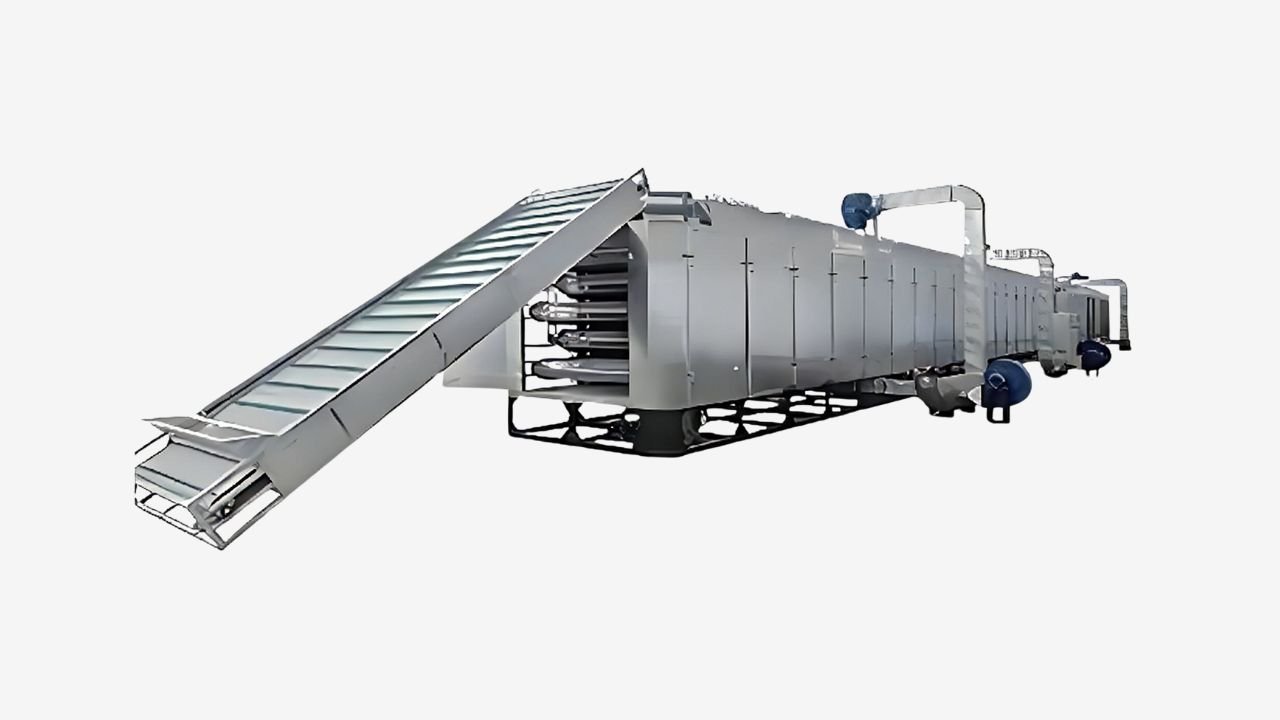
Parter with FanQun for Modern Drying Systems
If you are looking for either belt dryers or fluid bed dryers, FanQun is your trusted partner in China. We have patented many drying system designs, with most drying solutions featuring our innovative designs and technologies.
Additionally, our technicians and engineers will help in the installation process and provide technical support when needed – Explore our drying machines catalogues now.