
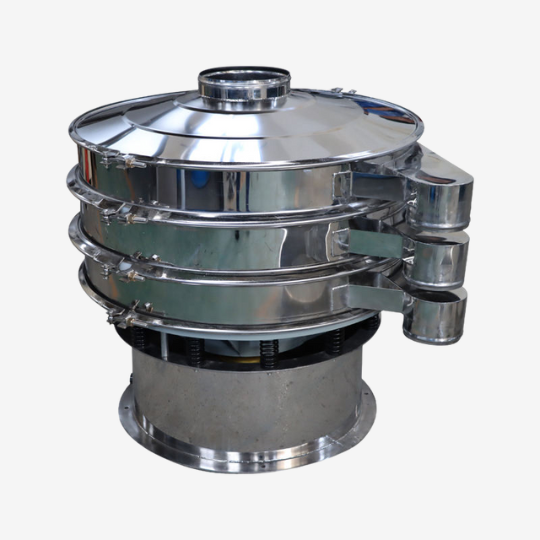
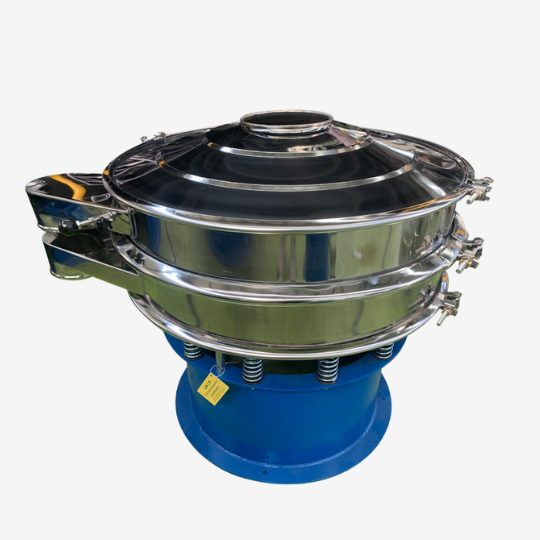
Features of FANQUN Circular Vibrating Screen
The circular vibrating screen delivers precise and high-efficiency screening, improving your product quality and productivity.
- Compact structure, suitable for a limited workshop
- Offer fast and precise screening, easy to clean
- Made of stainless steel or carbon steel with an optimal matte finish
- Low noise level, low energy consumption, minimal dust pollution
- FANQUN circular vibrating screen passed the ISO9001 certification, guaranteeing each machine excels in high screening performance
ZS-800/1000/1500 Circular Vibrating Screen
This machine is highly effective sieving equipment widely used in China now. It adapts the principle of vibration to realize the sieving of plenty of raw materials. It is widely used for metallurgy industry, chemical industry, pharmaceutical industry, grain industry and so on.
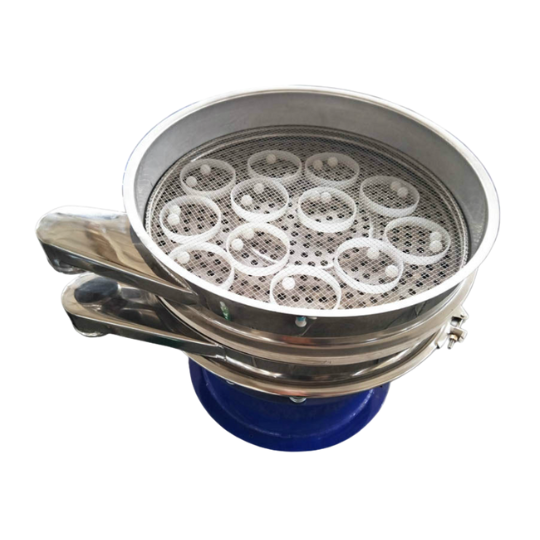
Manufactured with carbon steel and stainless steel materials, Explosion proof and vertically convenient.
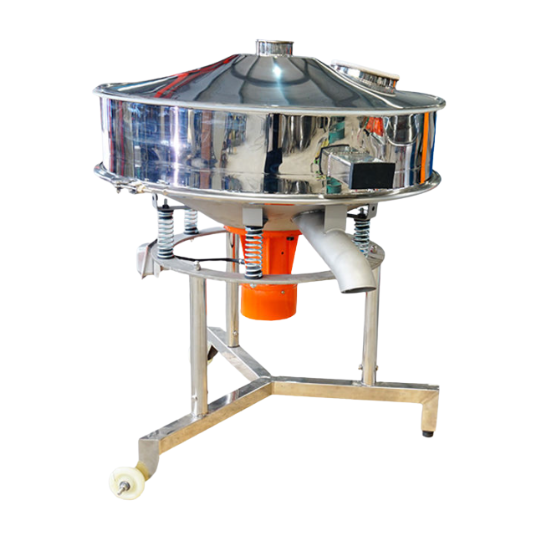
Vibration frequency can be controlled, and has a mesh screen that withstands heavy vibration. Portable with elevated height.
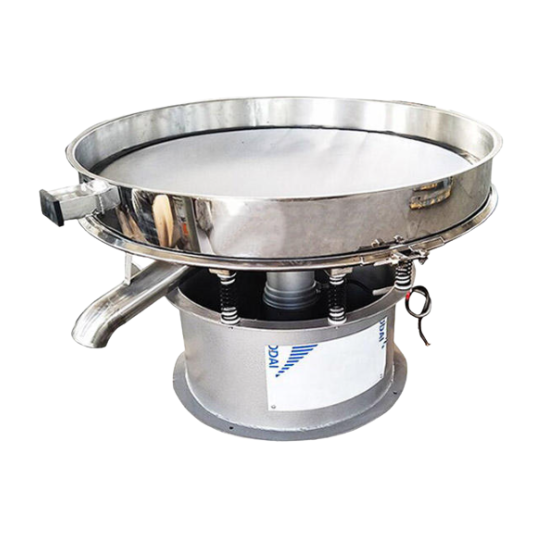
Shakes the product into finer powder and decreases unnecessary clumps. Made with polished stainless steel and anti-explosion.
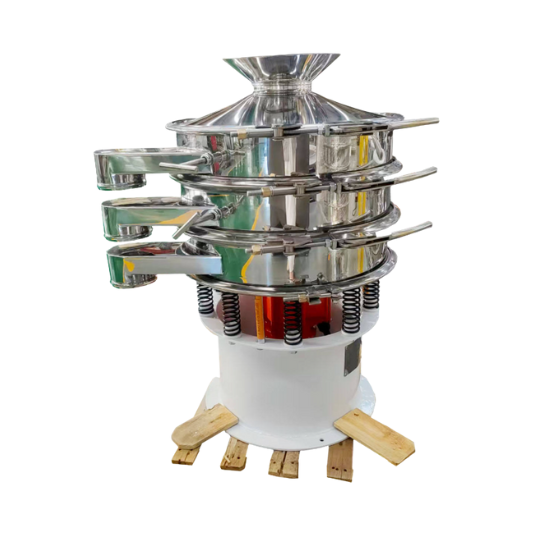
Manufactured for food processing, has vibrating control with circular features and great sifting control.
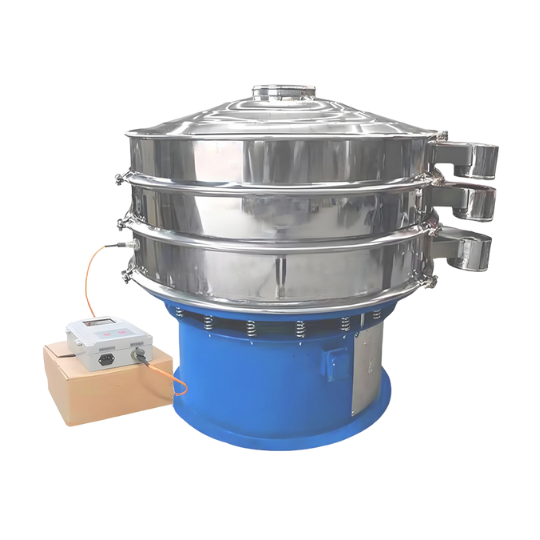
Great sifting screen for powder, liquid and granule, has high precision and vibration control with polished stainless steel round screen.
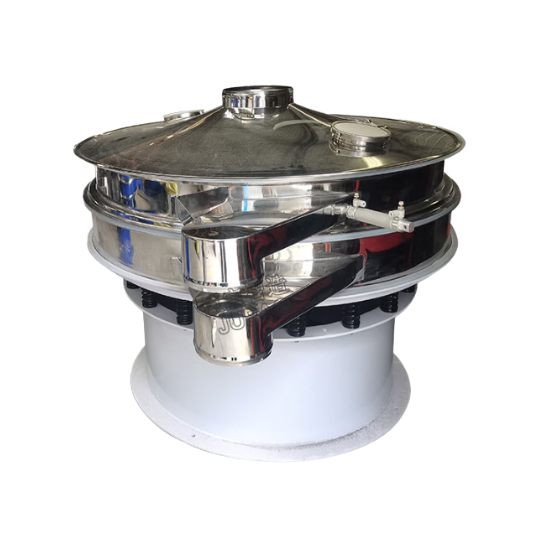
Stainless steel round screen with great sifting control, has an energy-saving vibrating motor.
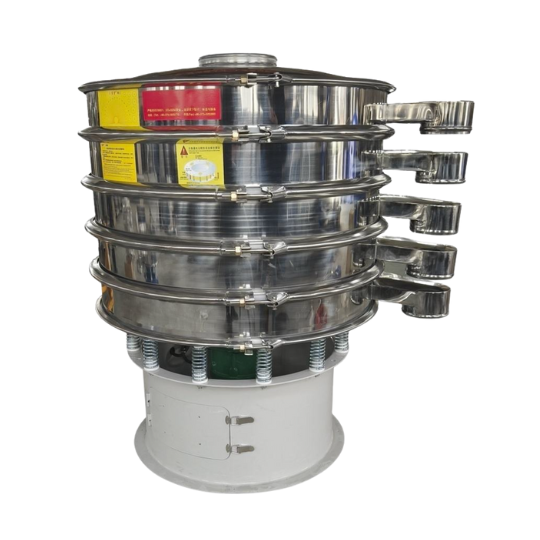
Food processing with vibrating motor for sifting control. Has great weight capacity with durable mesh.
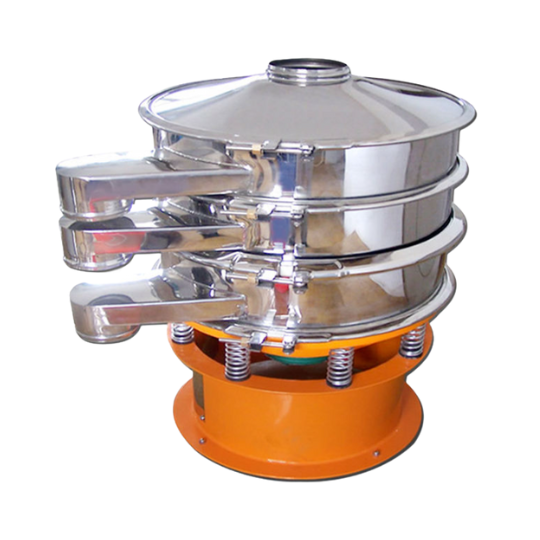
Has vibration suspension and great durability control for filtering fine materials with uneven granulation and grinding.
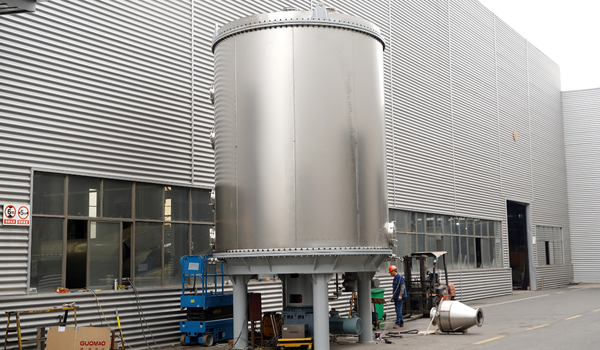
- Our Factory
- Technical Parameters
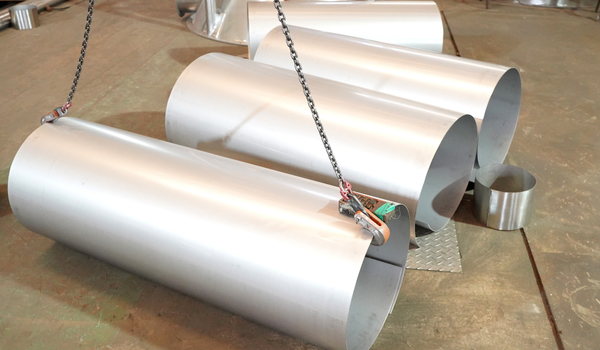
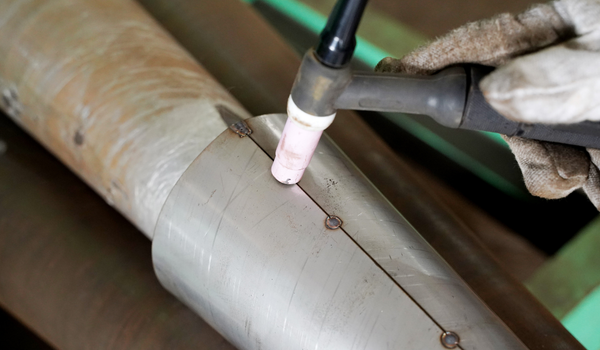
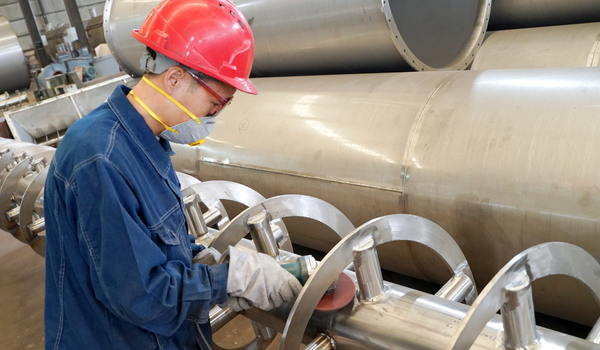
| diameter of sieve mouth (mm) | productive capacity (kg/h) | mech of sieve | frequency of vibration | power (kW) | overall dimension (mm) |
| 515 | 100–1300 | 0.75 | 710x710x1200 | ||
| 650 | 180–2000 | 1.50 | 880x880x1200 | ||
| 800 | 250–350 | 5–325 | 1500 | 1.5 | 900x900x1200 |
| 1000 | 300–400 | 1.5 | 1100x1100x1200 | ||
| 1500 | 350–450 | 2 | 1600x1600x1200 | ||
What is a Circular Vibrating Screen
A circular vibrating screen is used for grading and sieving of powder and particles. It is easy to operate and can accelerate your screening speed, resulting in consistent products and great output. Commonly used in food processing, chemicals, pharmaceuticals, and mining industries.
Working Principle of Circular Vibrating Screen
The main principle is that an internal vibrating motor generates strong centrifugal force, causing the screening machine to move in a circular motion.
When the material enters the screen mesh, it jumps and spreads continuously under the action of vibration, and automatically stratifies according to particle size.
Small particles quickly pass through the screen, while large particles move along the mesh to the discharge port. The more layers of screen, the more particle size classifications are achieved.
Main Components of Circular Vibrating Screen
Screen Frame
The screen frame supports the screen mesh and withstands vibrations generated by the material during the screening process. It is constructed from high-strength steel plates, welded or bolted together, providing excellent rigidity and durability.
A stable screen frame can bring you even distribution of material across the screen surface, thereby improving screening efficiency.
Mesh
The material and structure of the mesh will directly affect your screening accuracy and output. The common meshes include stainless steel wire mesh, woven mesh, and perforated plates.
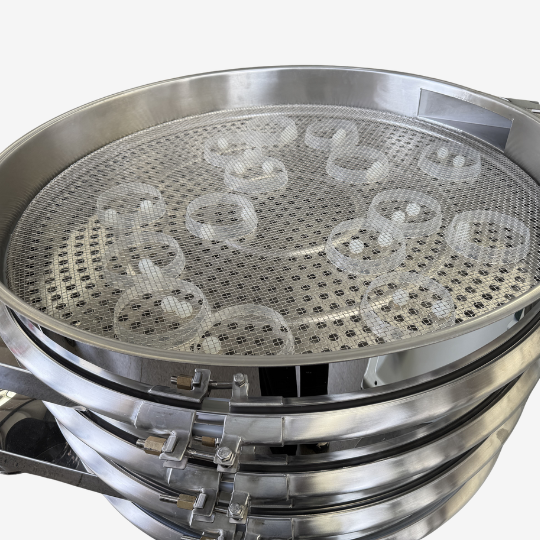
To reduce screen clogging, you can add cleaning devices such as ball bearings, ultrasonic filters, or raised dot structures to ensure smoother screening. High-quality screens can make the operation stable and reduce your mesh costs.
Vibration Motor
The vibrating motor is the power source for the circular vibrating screen, propelling materials forward, dispersing, and classifying them.
High-quality vibrating motors are characterized by strong vibration force, stable operation, and low energy use. And it usually has industrial-grade protection designs such as dust-proof, water-proof and shock-proof to extend the service life of your equipment.
Springs
Located at the bottom of the vibrating screen, it is a core part for achieving vibration absorption and noise reduction. It can effectively absorb vibrations generated during operation, reducing impact on the equipment.
Compared to metal springs, rubber springs are quieter, more fatigue-resistant, and can significantly decrease your maintenance frequency. Meanwhile, good springs will make your material movement trajectory more uniform, resulting in finer screening.
Cover
A dust cover installed on top of the circular vibrating screen prevents dust from escaping and keeps your production environment clean. It is usually made of stainless steel or carbon steel, with a lightweight structure and easy disassembly. Some designs also support quick opening, making it convenient for you to replace the screen mesh or clean the equipment.
Advantages of Circular Vibrating Screen
Take Up Less Space
The circular vibrating screen adopts a compact design, occupying a smaller area than traditional linear and square screens. It is ideal for placement in production sites with limited space. For example, in food processing plants and laboratories, efficient screening can be accomplished with minimal space.
Furthermore, it has stable structure and can be easily relocated, greatly improving your equipment utilization. Smaller footprint and more flexible operation provide greater freedom in your production line layout.
High Precision and Efficiency Screening
Circular vibrating screens utilize high-frequency vibration to achieve precise grading and rapid sieving. Whether it’s 120-mesh tapioca flour or liquid containing a small amount of impurities, screening can be completed in a short time, dramatically increasing your production capacity. Compared to ordinary vibrating screens, it offers higher sieving accuracy, more stable efficiency, and is less likely to have problems such as screen clogging and material leakage.
If you pursue product consistency and high-quality output, a high-precision circular vibrating screen can reduce your rework rate, save you time, and you will also gain a more stable delivery capacity.
Reliable and Durable
Generally, circular vibrating screens are made of stainless steel or carbon steel. After matte treatment, the surface of stainless steel does not reflect light or be dazzling, suitable for industries with high cleanliness requirements such as food and pharmaceuticals.
At the same time, this material is more wear-resistant and corrosion-resistant, so it can lengthen the life of the entire machine and decrease the likelihood of loosening or malfunctioning after prolonged operation.
The downtime costs from repeated repairs of cheap machines are enormous; a reliable circular vibrating screen can help you reduce operating expenses and keep production more stable.
Convenient to Maintain
This screen machine features a quick-clamping function with a simple structure, so you can complete the disassembly and assembly of the mesh without any tools. Changing and cleaning the filter screen takes only 3–5 minutes, saving 60% of your time compared with conventional equipment. Especially for factories requiring frequent material changes, it can directly improve production progress, decrease downtime, and also decrease your employment costs.
Eco-Friendly
Dust pollution not just affects the environment, and can also cause raw material loss and equipment corrosion. The fully sealed structure of a circular vibrating screen can effectively prevent powder splashing and leakage, keeping the air clear in your workshop. Moreover, it has lower operating noise, and it will not affect your workers’ experience and also reduce energy use.
Therefore, purchasing a circular vibrating screen can not just reduce your manual cleaning costs also make your production more environmentally friendly and your site easier to manage.
Customizable
You can choose single-layer or multi-layer screen mesh filtration according to different process requirements, and up to 5 layers of screening can be screened simultaneously.
A frequency converter can also be added to adjust the vibration speed to achieve the best screening effect for different materials.
Additionally, various screen cleaning devices are available as options, such as steel balls, slip rings, brushes, or ultrasonic cleaners, to solve mesh clogging problems. For instance, ultrasonic cleaning can improve the screening rate for ultrafine powders. Bouncing balls are more suitable for materials containing particles.
Various Applications of the Circular Vibrating Screen
Food and Agriculture
Our circular vibrating screens are made of food-grade stainless steel and polished to prevent dirt accumulation, allowing you to clean them easily within minutes. Commonly used for screening raw materials such as wheat, corn, beans, and feed additives, these impurities are separated from your finished product.
The high-frequency vibration ensures precise screening, reduces rework on the production line, and enhances your market competitiveness.
Pharmaceuticals
This equipment can be used for sieving and removing impurities from pharmaceutical powders and granules, guaranteeing uniform particle size to meet your production process requirements.
It is made of 316L stainless steel with a mirror polish finish, in conformity with GMP. Meanwhile, it has a top dust cover to prevent dust escape and cross-contamination. The easy-to-clean design makes it easier for you to pass inspection and certifications.
Chemicals
Materials used in the chemical industry, such as resins, coatings, and fuels, some of which are corrosive. Circular vibrating screens can easily handle these. Through optimized vibration force and solid structure, the screening efficiency is improved, and screen clogging and downtime are subsequently reduced. The enclosed structure also minimizes leakage and helps to maintain a healthy production environment for you.
Mining
Our screen machine is capable of grading, taking out impurities, and screening materials such as ore, sand, and coal. We also offer customized solutions such as wear-resistant screen mesh and anti-clogging systems to increase the service life of the machine and reduce maintenance costs, hoping to maximize your return on investment.
As a circular vibrating screen manufacturer, we have professional and skilled technicians with over 30 years of experience. Whether you are in the food, chemical, pharmaceutical, or mining industry, we can provide you with reliable, durable, and customized screening solutions.
Feel free to contact us.
It includes single-layer vibrating screens, multi-layer vibrating screens, ultrasonic vibrating screens, and direct-discharge screens. Single-layer screens are often used for basic screening, while multi-layer screens can achieve multi-stage grading. And, ultrasonic screens are used for extremely fine powders, while direct-discharge screens are ideal for high-volume coarse screening.
Usually 5–10 years. You need to avoid prolonged overload operations. Cleaning, applying lubrication, or replacing critical parts such as screens, motors, and springs regularly can prolong their service life.
Circular vibrating screens rely on rotational vibration and are suitable for fine screening of powders and particles. Linear vibrating screens, on the other hand, move in a straight line forward and are more suited for large-scale coarse screening or dewatering, but they take up more space.
You need to fit it on even and solid ground, making enough room for operation. All bolts must be tightened, especially at the connection between the motor and the screen frame. Also, ensure that all springs are compressed to a consistent height to prevent twisting or bending during operation.
You should check your screen mesh first. Blockages or damage will affect the screening effect. Then adjust the feed rate; excessive feed will cause material to accumulate and the screen surface to become unbalanced. Of course, a loose or aging vibrating motor also affects the screening performance.