
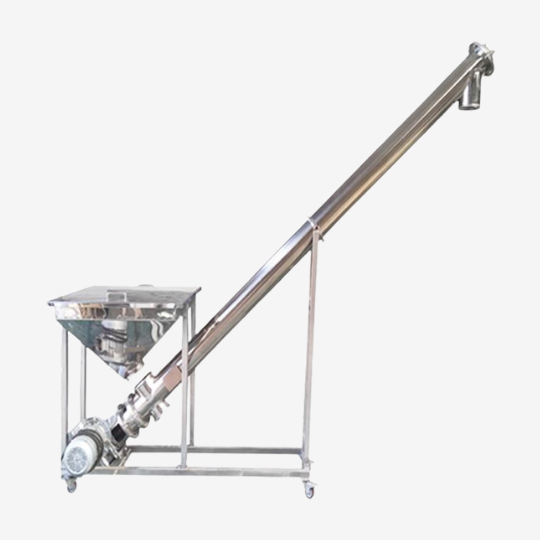

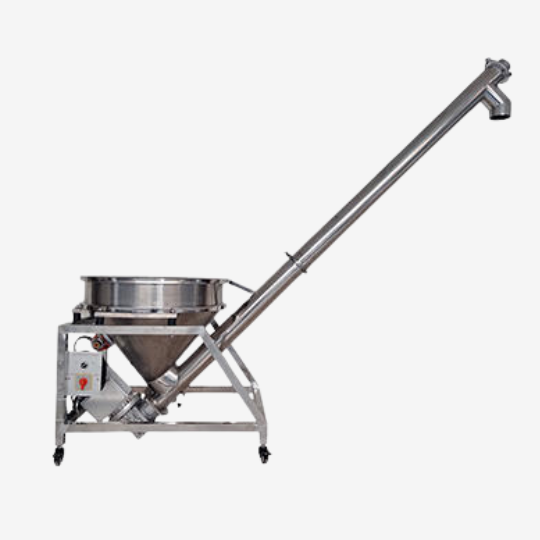
Features of the Screw Feeder
Screw feeders are the ideal conveying equipment for powdered and granular materials, helping you optimize production and processing workflows to maximize processing efficiency.
- The screw feeder features precise speed and flow control.
- Screw feeders facilitate a high degree of automation in production processes.
- The enclosed design of the screw feeder ensures clean and safe transportation.
- Jiangsu Fanqun Drying Equipment Factory possesses over 25 years of experience in screw feeder production.
- Jiangsu Fanqun Drying Equipment Factory is IS09001 certified manufacturer.
LS series Screw Feeder
The machine is designed based on the qualities of every industry and gathering the advantages of various parts. This is the new-type spiral lifting feeder in China. It is suitable for the feeding granule and powder material in the industries of pharmaceutical, foodstuff, chemical and plastic. It can transmit material horizontally, inclined, vertically. It is the perfect device of transmitting all kinds of material and granules.
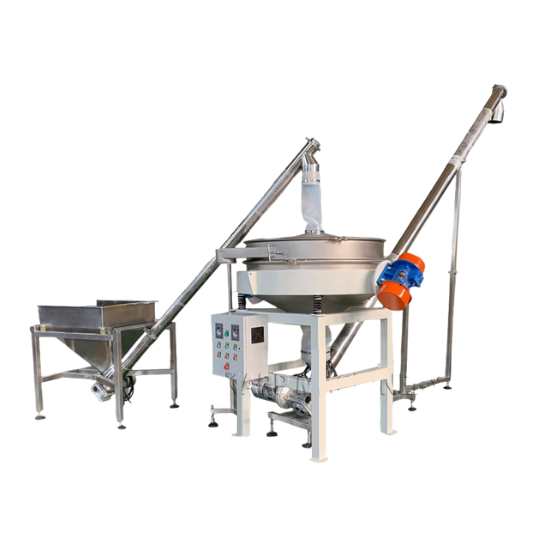
Great portability for transport, manufactured with carbon steel. Equipped with screw conveyor and auger conveyor.
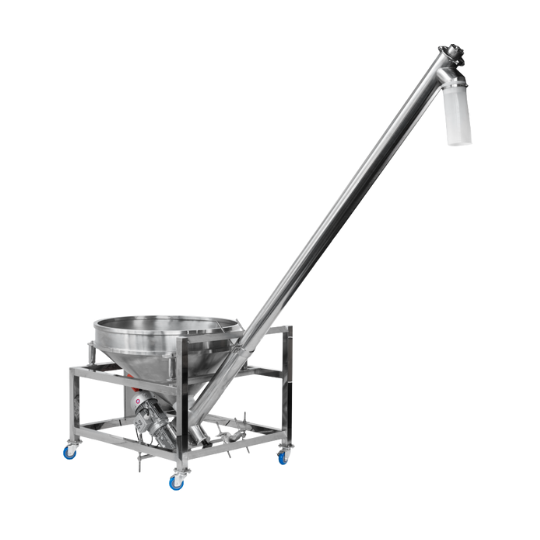
Stainless metal auger equipped with screw conveyor that ensures clean transfer and product production.
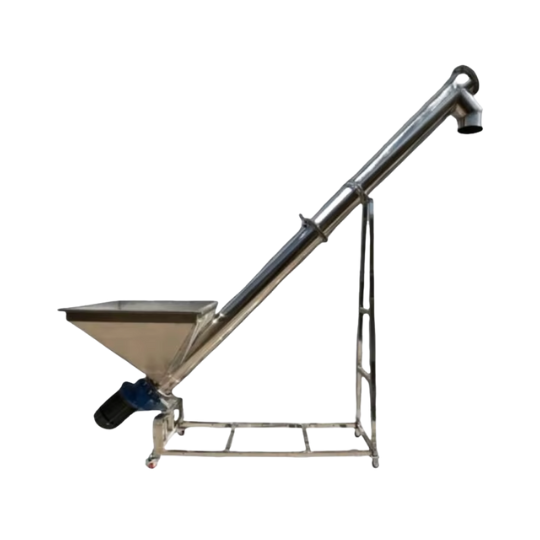
Multi-functioning machine that has packaging for powder and granule production.
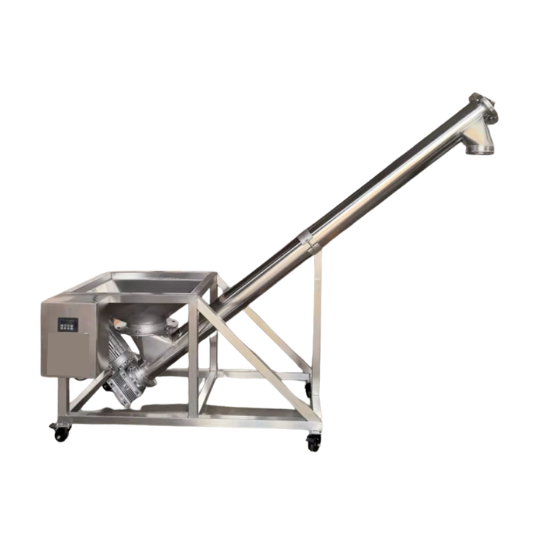
Has nonstick polished surface, has adjustable speed and is easy to maintain as it does not require any products.
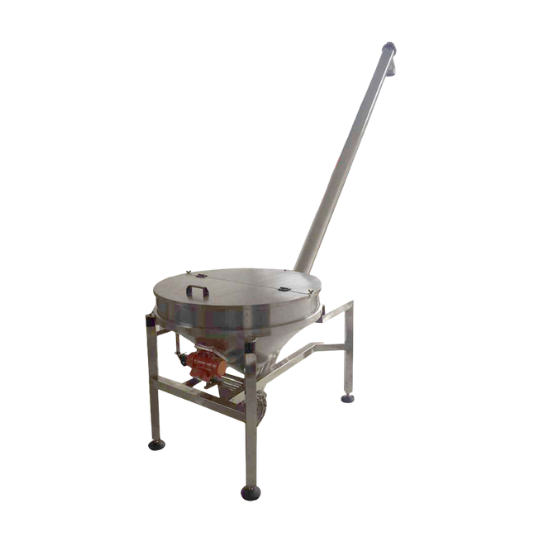
Fully Automatic Durable stainless steel and equipped conveyor for smooth transport of powder.
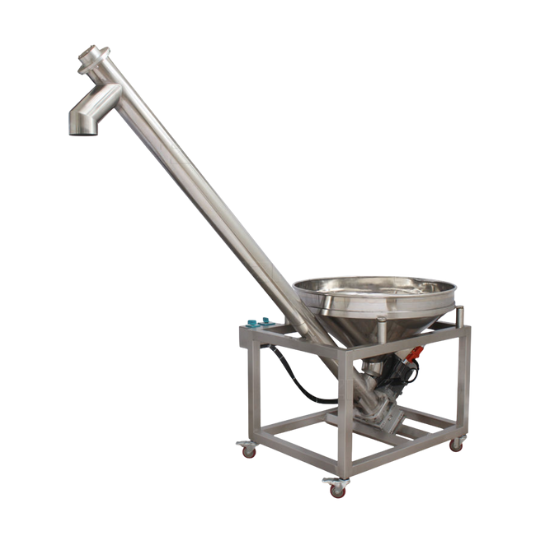
Equipped with a conveyor with adjustable speed control, Durable stainless steel that has enhanced water-resistance.
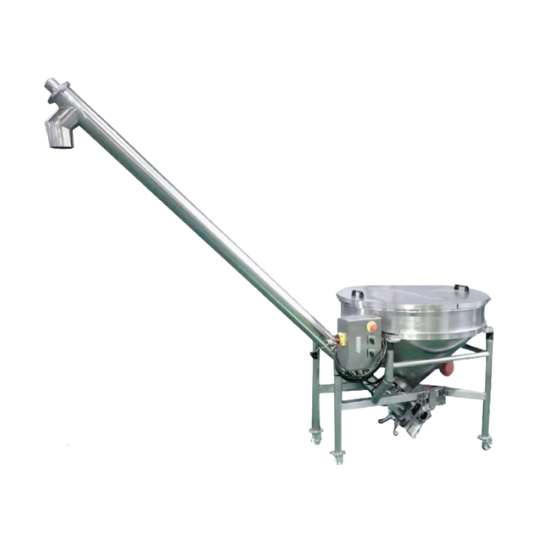
Conveyor for powder transfer and fine granules. Easier to maintain and has easier to operate. Has versatile application and mesh sifting.
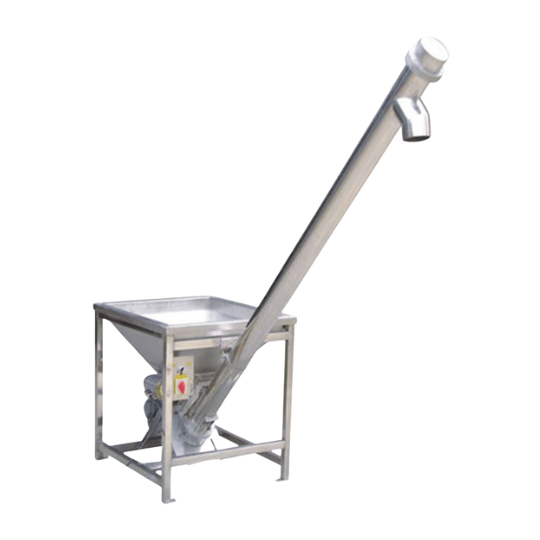
Ideal for animal feed pellets and has a great loading machine for large production, equipped with a conveyor.
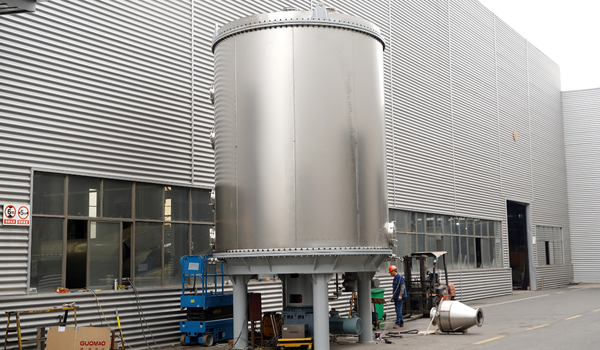
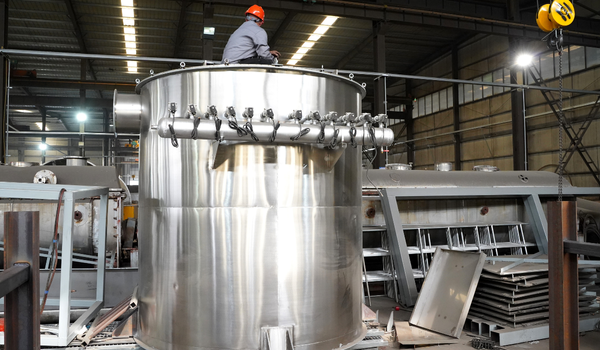
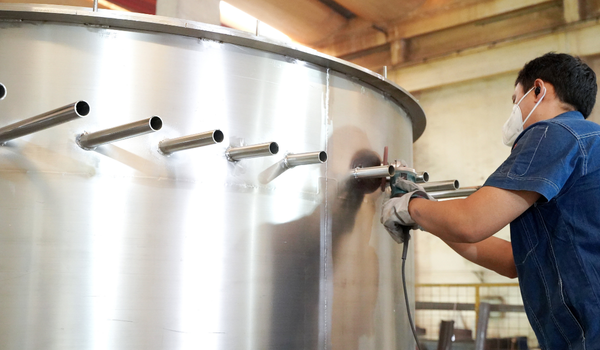
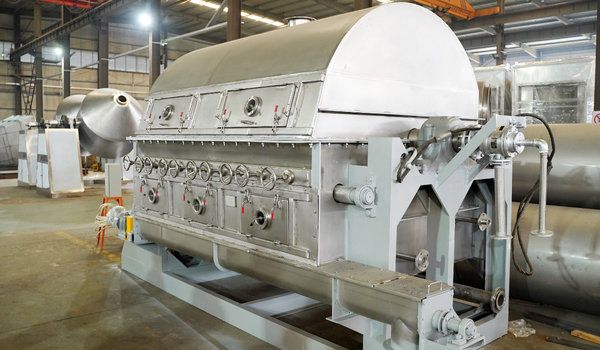
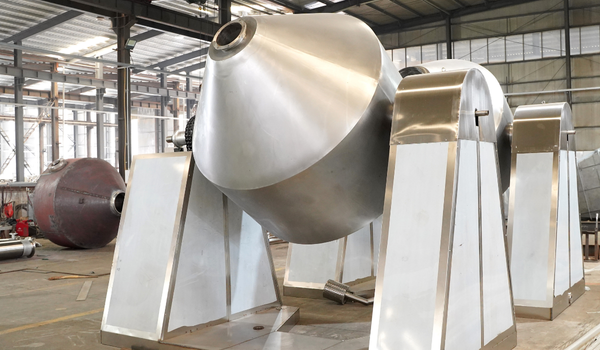
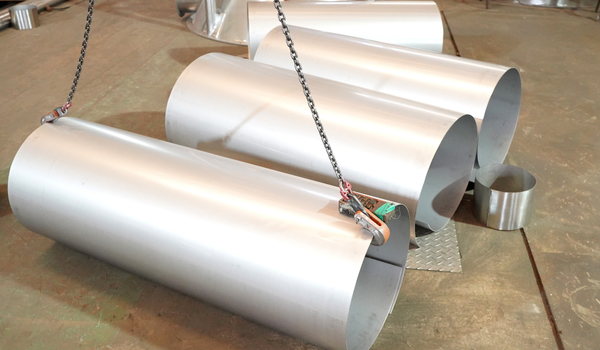
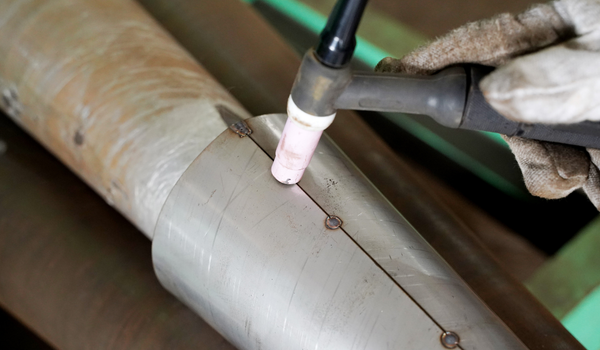
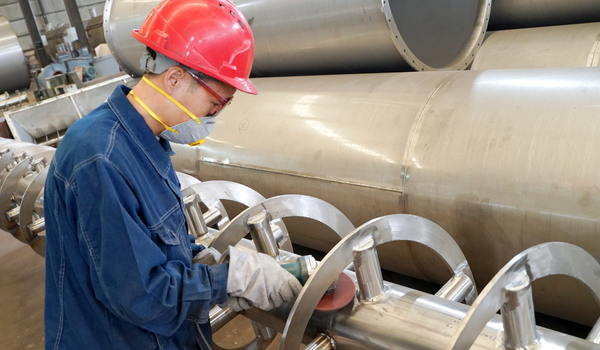
- Our Factory
- Technical Parameters
| Item | Unite | LS500 | LS1000 | LS200 |
|---|---|---|---|---|
| Lifting capacity | L/H | 500 | 1000 | 2000 |
| Lifting motor power | KW | 0.75 | 0.75 | 1.1 |
| Feeding motor power | KW | 0.75 | 0.75 | – |
| Dia of lifting pipe | mm | 76 | 108 | 133 |
| Height of feeding material | M | 2~3.5 | 2~3.5 | 2~5 |
What is a Screw Feeder?
Screw feeders utilize helical blades and inclined troughs for the precise and efficient transport of powders and small granular materials within industrial settings. They may be integrated with hoppers and processing equipment to achieve automated feeding with accurate speed and quantity control. These feeders are employed across diverse sectors, including chemical and pharmaceutical manufacturing, agriculture, and food processing to optimize production workflows.
Screw Feeder Working Principle
Material Feeding
Screw feeders require integration with upstream equipment such as hoppers or silos. These serve to store materials, with hoppers typically offering smaller capacities. For larger projects, you may opt for silos with larger capacities to ensure a stable material supply.
Control Settings Adjustment
You can fine-tune the optimal conveying flow rate and speed according to process requirements and material type. This enables precise control to minimize downtime and enhance production efficiency.
Rotary Drive
Screw feeders are typically equipped with motors driving the rotation of screw blades, providing power for the entire transport process. Material enters the screw feeder through the feed inlet. The feeder is enclosed within a pipe to achieve complete sealing, thereby minimizing material leakage and waste and preventing contamination. The rotating blades propel the material along the pipe to the discharge outlet.
Advantages of Using a Screw Feeder
Enhancing Productivity
Compared to conventional material handling methods, the automated operation of screw feeders significantly reduces material transfer times, markedly improving overall process efficiency. This is particularly evident in high-volume production. Furthermore, owing to the stable operation and precise control of screw feeders, production and processing generate fewer rejects and substandard items, thereby minimizing rework time.
Enhancing Production Quality
Screw feeders enable more precise control over material conveying speed and throughput. You can effortlessly adjust and monitor conditions via the control interface, thereby improving production quality. Furthermore, they reduce or even eliminate errors inherent in traditional feeding processes, enhancing consistency control during high-volume production.
Reducing Material Wastage
On the one hand, precise control minimizes over-supply of materials, thereby reducing unnecessary material costs. On the other hand, the screw feeder’s fully enclosed conveying pipeline prevents material leakage and avoids contamination-induced failures. Both measures help reduce your additional expenditure.
Reducing Labour Costs
Screw feeders can be readily integrated into various automated systems, thereby optimizing production processes and facilitating full automation. Their use minimizes manual intervention, enabling unattended production and consequently reducing labour costs. Moreover, screw feeders can be employed to handle conveying heights that are difficult to achieve manually.
Wide Applicability
Not only can screw feeders transport materials in various forms, such as powders and granules, but they are also suitable for handling materials with special properties—including viscous, toxic, or oxidizing substances—ensuring both material integrity and worker safety.
Types of Screw Feeders
Types with Different Screws
- Variable Pitch Screw Feeder: The pitch of variable pitch screw feeders can be adjusted. Their screw flights automatically alter in length according to the volume of material being conveyed, enabling full-load transport and superior rate control. Furthermore, they provide additional buffering to reduce load and prevent blockages. This facilitates more precise control for your operations.
- Conical Screw Feeder: The outer diameter of the blades on a conical screw feeder is not uniform; it gradually decreases towards the discharge outlet, forming a conical structure. This design facilitates the flow of viscous and poorly free-flowing materials, thereby reducing material retention.
- Mass Flow Screw Feeder: The Mass Flow Screw Feeder combines variable pitch and conical screw feeding mechanisms, featuring both adjustable pitch and a tapered core design. This enables precise control while preventing material blockages. It is the ideal conveying equipment for bulky and easily clogging materials.
Types with different conveying angles
- Horizontal Screw Feeder: This feeder operates parallel to the ground, facilitating material transport over lateral distances. It requires a greater footprint.
- Vertical Screw Feeder: This type operates perpendicular to the ground, facilitating material elevation to higher equipment feed points. It requires a more powerful motor for efficient transport.
- Inclined Screw Feeder: The most common variant, operating at an angle to the ground (e.g., 30°, 45°), it conveys materials to equipment requiring both vertical and horizontal distance.
Other Types
The twin-screw feeder features two intermeshing screws that rotate simultaneously during operation to facilitate material transport. The synchronized operation of both screws delivers enhanced conveying efficiency and more consistent throughput. Furthermore, this design enables superior mixing and pulverization of materials, allowing it to excel in the crushing of substances prone to clumping and high-viscosity materials.
Screw Feeder Applications
Industrial Manufacturing
Screw feeders can be utilized in industrial manufacturing sectors such as automotive, electronics, consumer goods, and medical devices. They are extensively utilized for conveying and transferring screws during assembly stages, thereby minimizing worker error and operational inefficiencies. Furthermore, they minimize dimensional variations in high-volume production.
Food Processing
In food processing, screw feeders can be employed during stages such as mixing, conveying, blending, and packaging. You may select food-grade materials for the construction of the screw feeder. You can achieve more precise ingredient ratios and maintain consistent flavour throughout large-scale food processing.
Pharmaceuticals
Screw feeders can create a more sterile environment for the transportation of pharmaceuticals or raw materials. On the one hand, owing to their corrosion resistance, they do not affect pharmaceuticals and ensure safety during drug processing. On the other hand, the sealed design of screw feeders effectively isolates external contaminants.
Chemical Industry
Screw feeders can be employed to transport corrosive, flammable, and temperature-sensitive materials of the chemical industry, thereby reducing the risk of chemical exposure to workers and ensuring transport safety.
Agriculture
The distribution of chemical fertilizers and animal feed in agriculture can be better controlled using screw feeders. Moreover, compared to traditional material handling methods, they further reduce material wastage.
Screw Feeder vs Screw Conveyor
Screw Feeder vs Screw Conveyor: Function
Screw feeders are commonly employed in production lines, connecting hoppers and processing equipment to ensure a continuous material supply and automated manufacturing. Screw conveyors, meanwhile, are handling devices primarily used for transporting materials or finished goods, transferring your materials and goods to elevated vehicles or silos.
Screw Feeder vs Screw Conveyor: Speed and Flow Control
Screw feeders enable precise speed and flow control, delivering accurate feeding according to your requirements. In contrast, screw conveyors typically maintain constant conveying speeds and flow rates, which cannot be precisely adjusted.
Jiangsu Fanqun Drying Equipment Factory holds ten patents and possesses a professional technical team with exceptional expertise. Should you be seeking high-quality screw feeders, we offer multiple options alongside bespoke solutions.
You can use a screw conveyor to transport powdered, granular, and flaked materials. Some types also support the transport of highly viscous and easily caking materials.
You should select the type of screw feeder based on the material being conveyed and the hopper capacity. Choose a screw feeder with the appropriate conveying speed and flow rate for your requirements. You may also customize the screw feeder to achieve the optimum match for your application.
Depending on the model, the screw feeder’s height varies, with the maximum feed height reaching up to 5 metres.
Screw feeders utilize blades to drive material movement, thereby achieving a degree of mixing effect. However, for more uniform mixing, it is advisable to purchase a professional mixing apparatus separately.
You should perform regular calibration, lubrication and cleaning to ensure optimum performance. Furthermore, periodic inspection and servicing can extend the equipment’s service life.