
Features of the Coarse Crusher
Whether for soft or hard materials, the coarse crusher is the ideal tool for the preliminary crushing of large blocks.
- The Coarse Crusher can be readily integrated into subsequent production lines to achieve automation.
- Coarse Crushers can process hard materials such as ore.
- Coarse Crushers efficiently process large volumes of material, ensuring the smooth operation of the processing workflow.
- Jiangsu Fanqun Drying Equipment Factory possesses over 25 years of experience in coarse crusher production.
- Jiangsu Fanqun Drying Equipment Factory is IS09001 certified manufacturer.
CSJ series Coarse Crusher
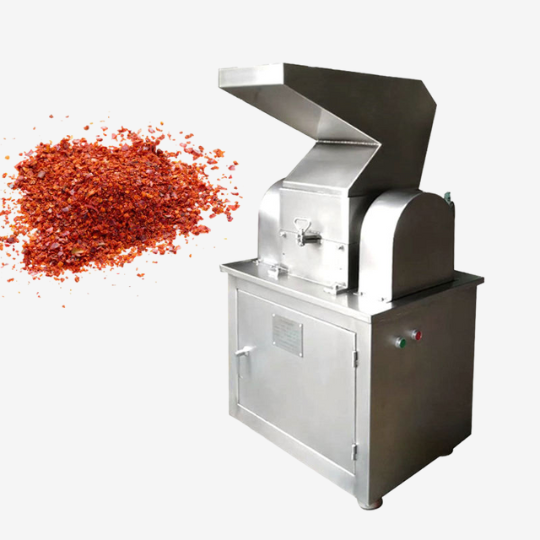
The machine is applied for industries such as pharmaceutics, chemical, metallurgy and foodstuff. It is used as a specialized equipment for coarse crushing of material in preparatory process, and can crush hard and tough material like plastics and steel wire. Especially it is not limited by viscosity, hardness, softness and fiber shape of material and has good effect to all materials.
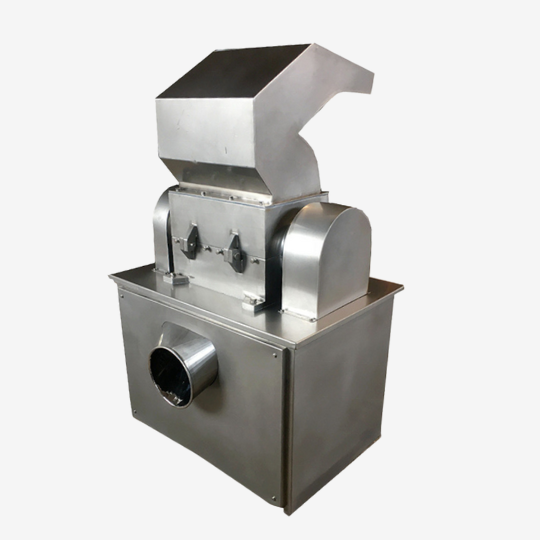
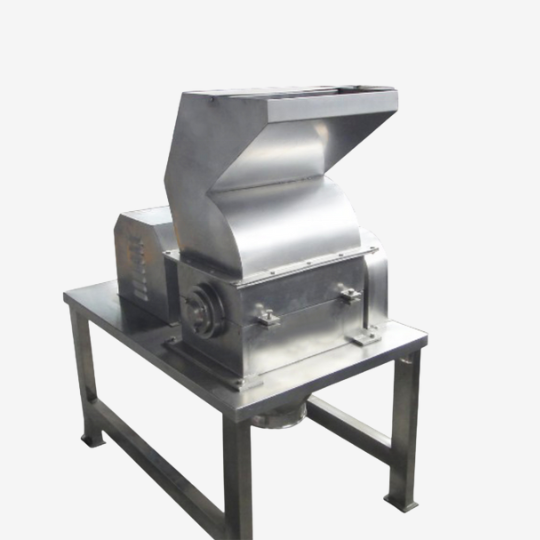
The machine has horizontal crushing structure and the whole machine is made of stainless steel. Any raw material, being fed into the grinding chamber through the upper feeder, stroked by the revolving and fixed knives, cut and grinded and then automatically runs to the exit by the centrifugal force of revolving object. The machine is designed according to ‘GMP’ standard, with the characteristics of compact structure, easy washing, and low noise. So it is the most ideal new product in current crusher market.
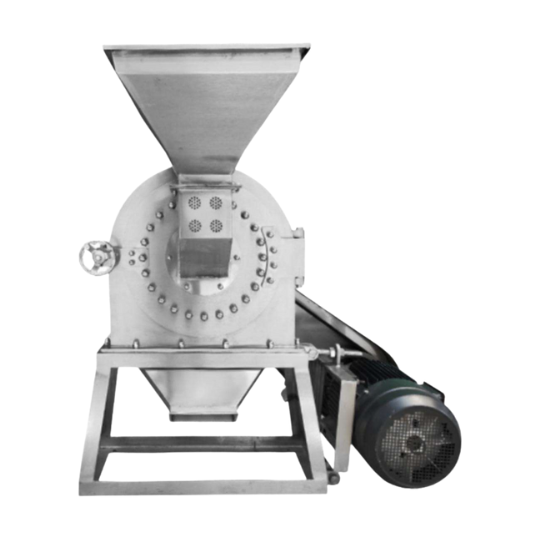
Multifunctional electrical machine with great fine powder and has a motor component.
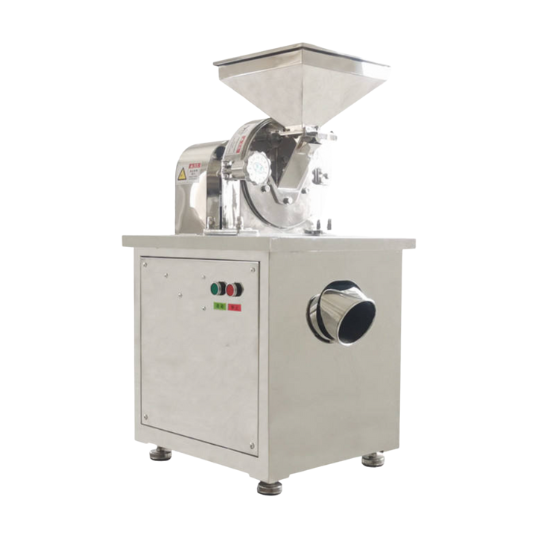
Has high efficiency and productivity. High production rate and easy to operate for finer powder.
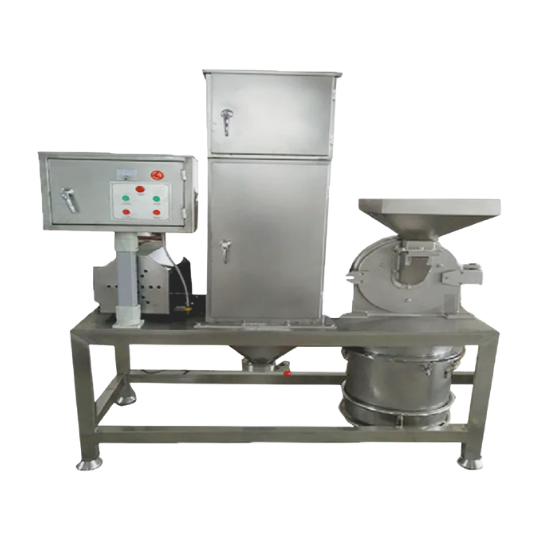
Suitable for versatile applications and easy to operate functions. Automatic feature and material crusher machine.
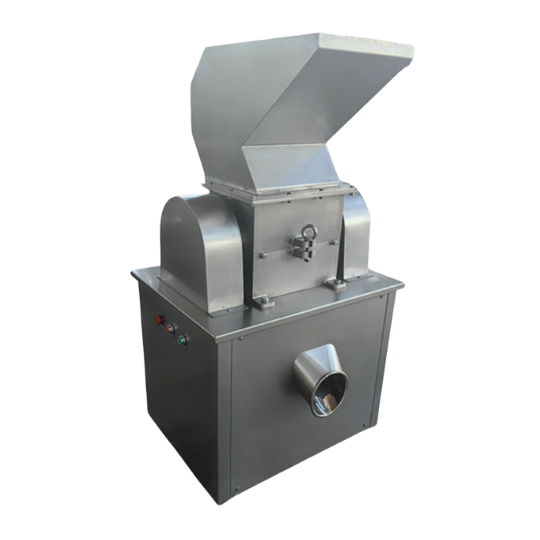
Automatic crusher for continuous powder production. Adjustable pace and grinding results for materials.
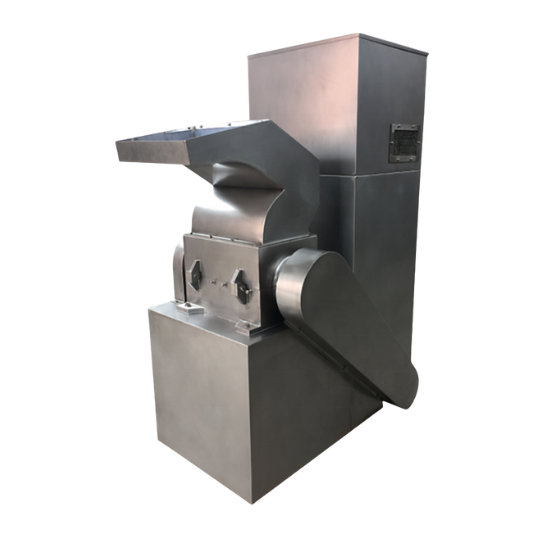
Easy to operate and pulverizing crusher for fine powder production of material. Commonly used for chemical processing.
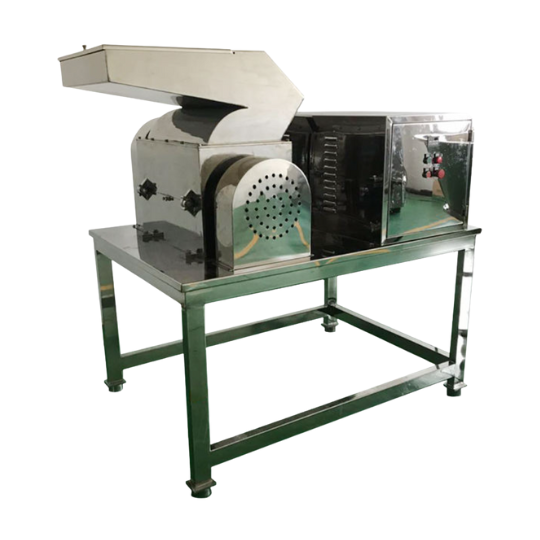
Has versatile application and has replaceable parts and great durability. Explosion proof and water-resistant.
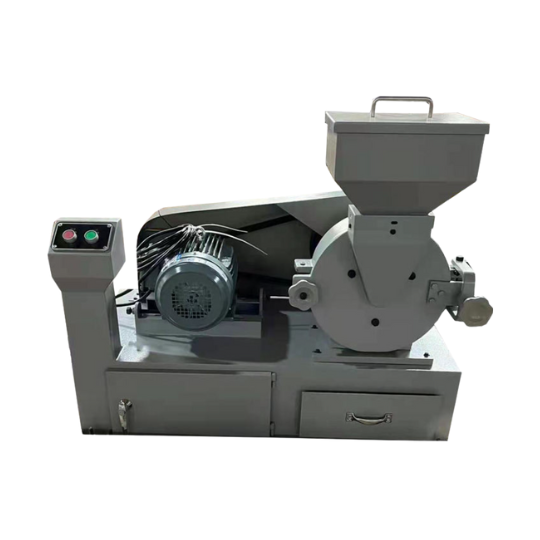
Wide application for mineral and building materials, High-speed and quality control. Easy to operate and uses electricity with energy saving features.
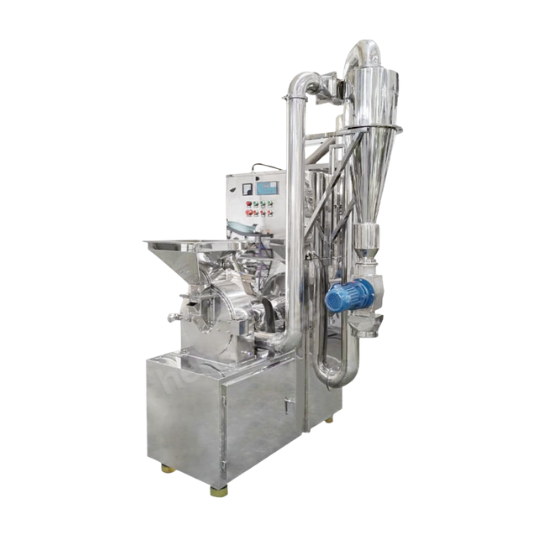
Great for food and chemical processing, Multifunctional and easy to operate with high efficiency.
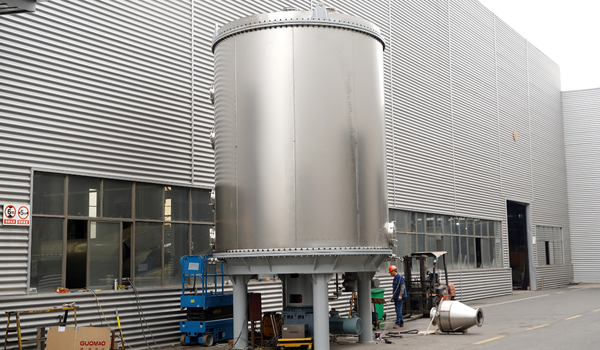
- Our Factory
- Technical Parameters
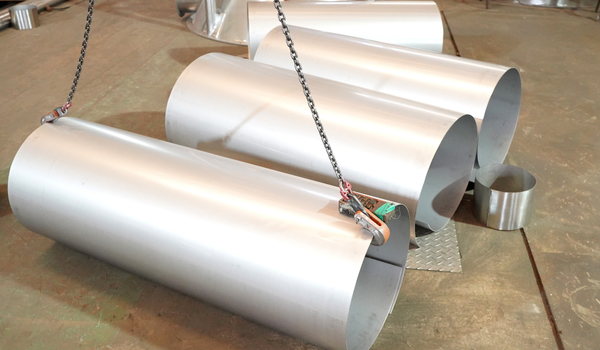
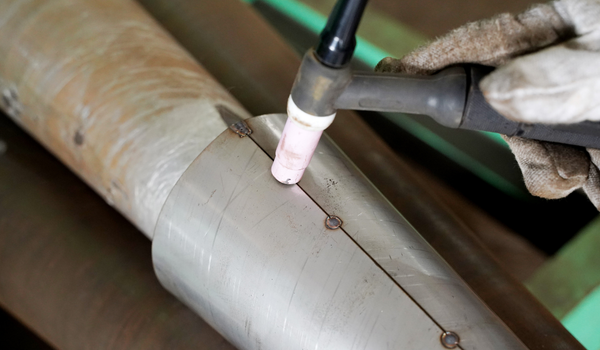
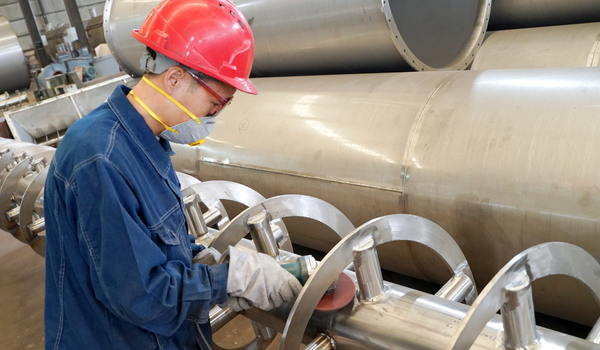
| Model | 80 | 120 | 200 | 400 | 600 |
|---|---|---|---|---|---|
| Capacity (kg/h) | 10–200 | 100–500 | 150–800 | 200–1000 | 500–1500 |
| Size of input granules (mm) | ≤50 | ≤100 | ≤100 | ≤100 | ≤200 |
| Fineness of products (mm) | 0.5–20 | 0.5–20 | 0.5–20 | 0.5–20 | 0.5–20 |
| Speed of main shaft (r/min) | 400 | 400 | 400 | 380 | 380 |
| Power (kW) | 1.5 | 3 | 5.6 | 7.5 | 15 |
| Weight (kg) | 150 | 250 | 420 | 580 | 760 |
| Overall dimension (L×W×H mm) | 510×450×980 | 650×700×1200 | 720×850×1350 | 1200×1000×1450 | 1300×1100×1650 |
What is the Coarse Crusher?
The coarse crusher is employed during the initial stages of processing to pre-break large raw materials into smaller fragments. This facilitates subsequent operations and reduces the load on secondary fine processing. It can be utilized across various industries, including mining, agriculture, and food processing, delivering enhanced efficiency and improved quality control.
Key Components and Working Principle of the Coarse Crusher
Key Components of the Coarse Crusher
- Hopper: The hopper serves to store materials requiring primary crushing. You may select hoppers of varying capacities according to project requirements. When connected to the primary crusher, it enables continuous material feeding, ensuring smooth material intake into the equipment and minimizing downtime.
- Crushing Chamber: The crushing chamber is where bulk materials undergo pulverization. Its primary function is to provide structural support and containment for both materials and crushing tools, preventing material leakage.
- Crushing Elements: The crushing blades are mounted within the crushing chamber. During the operation of the primary crusher, they engage with the material and move to pulverize it. Various blade types are available, including jaws, rollers, and hammers, allowing selection of the most suitable option for different materials.
- Drive System: The drive system propels the crushing blades during operation, ensuring a smooth and stable crushing process.
- Discharge Outlet: Material crushed to the desired size within the crushing chamber is discharged through the outlet. Larger pieces not meeting specifications are further processed. The outlet can be directly connected to subsequent processing equipment to enable continuous operation.
Working Principle of the Coarse Crusher
- Feeding: Operators must place materials requiring coarse crushing into the hopper, whereupon the crusher conveys the feed into the crushing chamber.
- Crushing: Materials entering the crushing chamber are disintegrated by the action of cutting tools and pressure. For instance, hammer crushers reduce material size through rotating hammers striking the feed. This pulverization process is repeated until the desired particle size is achieved.
- Discharge: Once the material has reached the desired size, it is automatically discharged from the crusher via the outlet. Subsequent processing operations may then be undertaken.
Types of Coarse Crushers
Jaw Coarse Crusher
The jaw coarse crusher employs two jaw plates as crushing tools, one fixed and the other capable of reciprocating movement. During the crushing process, material enters the crushing chamber and reaches the space between the two jaw plates. One jaw plate moves towards the fixed jaw plate, crushing larger pieces of material. You can use it for processing hard and large materials such as ore.
Cone Coarse Crusher
The cone coarse crusher features an eccentrically moving cone liner. During operation, crushed material is fed from above between the cone liner and the concave liner. Material of the desired size is discharged from below. This primary crusher offers outstanding efficiency for you and is suitable for materials of high hardness, delivering superior product shape. It may also be employed in secondary crushing operations.
Hammer Coarse Crusher
Hammer coarse crushers employ hammers as the crushing mechanism, with multiple hammers mounted on a rotating rotor within the crushing chamber. During operation, these hammers continuously rotate and strike the material, causing it to fracture into smaller fragments. Whilst hammer coarse crushers effectively reduce material to suitable dimensions, they produce irregular shapes and are better suited to materials of moderate hardness. They feature a low initial cost and high throughput capacity, capable of processing large-sized materials.
Applications of Coarse Crushers
Mining and Quarrying Industry
Coarse crushers may be employed in the mining industry for processing various hard materials such as granite and limestone. These ores typically require multiple crushing stages. Coarse crushing reduces transport burdens and facilitates subsequent processing operations. Furthermore, utilizing coarse crushers can further enhance operational efficiency for you.
Aggregate Production
You may utilize primary crushers in the production of aggregates for the construction industry. By processing materials such as concrete and asphalt, they facilitate recycling, reduce material wastage, and contribute to preventing excessive resource extraction.
Agriculture and Livestock
Coarse crushers may be employed in both cultivation and animal husbandry. They are particularly well-suited for recycling and pulverising organic matter to enhance soil conditions. This reduces waste from organic residues and accelerates decomposition. Grain may also be crushed for processing into animal feed.
Chemical Industry
High-quality primary crushers are resistant to corrosion from chemical materials. You may procure primary crushers for your chemical projects to pre-process large or viscous materials, thereby reducing the burden on subsequent processing stages.
Food and Pharmaceutical Processing
The coarse crusher is ideally suited for integration into production lines for food, pharmaceuticals and similar products, enabling continuous and coordinated operation with other processing equipment. Coarse crushers may be manufactured from materials of medical-grade and food-grade quality. Whether processing hard or soft materials (such as grains, tea leaves, or sugar), these crushers efficiently reduce particle size, preparing the material for subsequent fine grinding or pulverization.
Jiangsu Fanqun Drying Equipment Factory boasts over 25 years of experience and a team possessing outstanding technical expertise. Should you be seeking high-quality primary crushers, we not only supply superior equipment but also provide bespoke solutions.
Both jaw coarse crushers and cone coarse crushers achieve material reduction through compression, yet jaw coarse crushers can process larger feed sizes, while cone coarse crushers demonstrate superior primary crushing efficiency.
The working principles of jaw coarse crushers and hammer coarse crushers differ: one employs pressure, while the other utilizes the impact force generated by hammers. Jaw coarse crushers are suitable for processing large, high-hardness materials, whereas hammer coarse crushers are better suited for large, low-hardness materials.
The crushing tools of primary crushers, such as hammers, liners, and jaws, are prone to wear. It is advisable to replace these components regularly to enhance crushing efficiency.
Jaw coarse crushers and cylindrical coarse crushers produce relatively low noise levels, whereas hammer coarse crushers generate significantly higher noise. Should you require their use in applications with stringent noise restrictions, it is advisable to implement appropriate soundproofing measures.
Coarse crushers are employed in the initial stage to reduce the size of large material chunks, whilst fine crushers can further process the material into minute particles measuring several millimetres.