
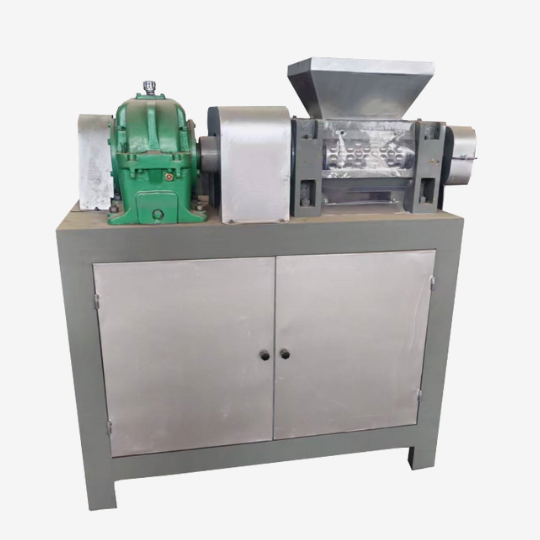

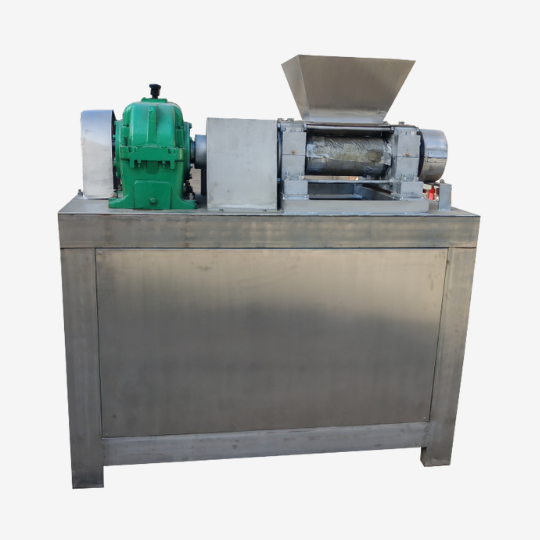
FANQUN Dry Granulator
FANQUN’s dry granulator conveys powders into uniform particles without drying process, features high production efficiency and is suitable for heat-sensitive or water-sensitive materials.
- No solvents required to protect water-soluble components and other efficient ingredients;
- Suitable for heat-sensitive materials, efficiently ensuring complete components and preserving APIs;
- The dry granulator reduces drying processes to shorten production cycles and enhance the entire efficiency;
- Particles produced by the dry granulator typically feature better flowability than the raw powders;
- FANQUN’s dry granulator has obtained ISO 9001, supporting CE certification with one certificate per machine.
GKL series;GK series Dry Granulator
Application of GKL series;GK series Dry Granulator
- Pharmacy: grains for pressed pill, and for capsule filling grains and etc.
Food: grains for food manufacturing and seasoning.
Plastics: various plastics shaping grains.
Chemical: catalyst, color, detergent and other grains.Scope of application.
Features of GKL series;GK series Dry Granulator
- The dry powder grain density is uniform. The disintegration is good. The forming rate is high.
- The special feeding structure can ensure the effective material feeding.
- The roll cool circulation will ensure that there is no material stick.
- It is not necessary to use the water, alcohol and other wet agent. There is no need of twice heating and drying. The operation procedure is less. The machine is high in operation efficiency and low in the cost.
- The machine uses the advanced electric and hydraulic driving. It is simple and reliable in the operation and high in the automation. With the enclosed operation and without pollution, it can meet the pharmacy health requirements, which meets the pharmacy health requirements.
Principle of GKL series;GK series Dry Granulator
By using the crystallization water in the materials, the equipment can directly make the powder materials into the grains. It is a kind of new equipment. The structure is reasonable. The machine is stable and reliable in the performance and easy in maintenance. The grains can be used for pressed pills, instant soluble agent, capsule and etc. The machine is mainly used for the grain making in pharmacy, food, chemical and other industries and it is suitable for the grain making for which the wet method can not settle it.

Ideal for smaller and needed finer products, Enhanced with mixer for a great blended material result.
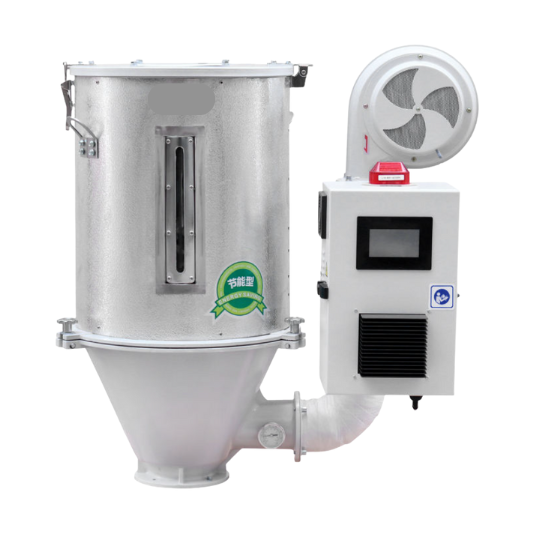
Equips great energy saving and adjustable speed, equipped with heat dissipation and production control.
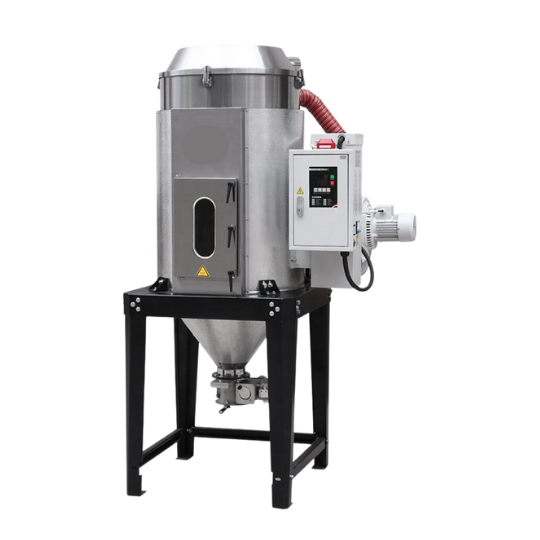
Available for plastic material granulation and dehydrating. Has various applicable industries. Machine size and speed rate is customizable.
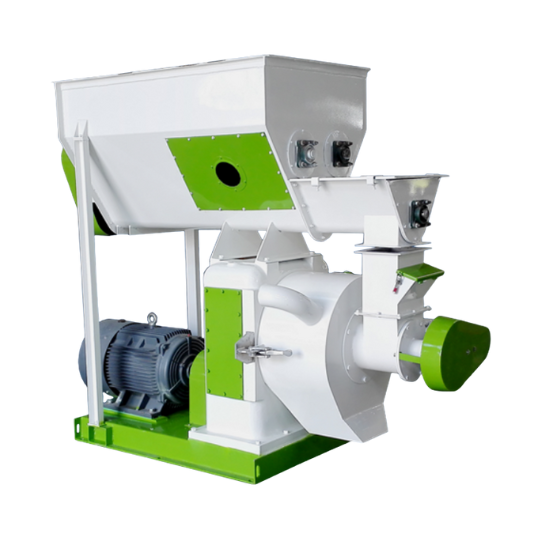
Commonly used for animal feed for pellet sized feet made from granulated powder. Customizable size and speed is adjustable for more manageable production.
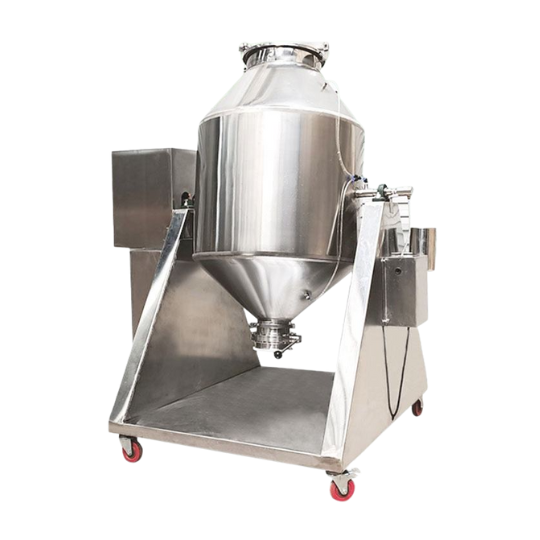
Agitator with mixer for dry products with multi function for faster production. Automatic for continuous powder making.
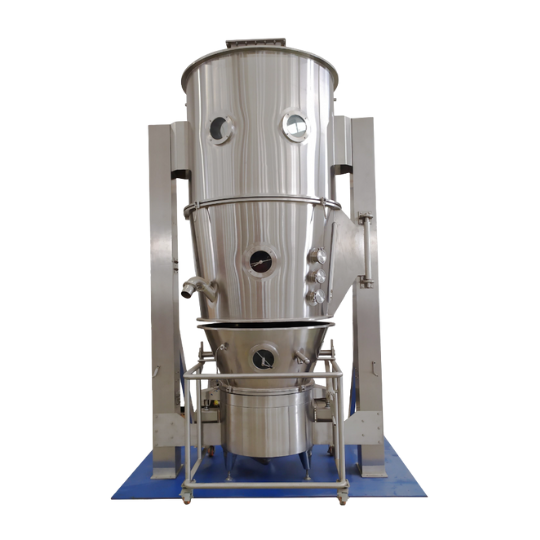
Versatile heating source with adjustable temperature and easy to operate equipment for drying.
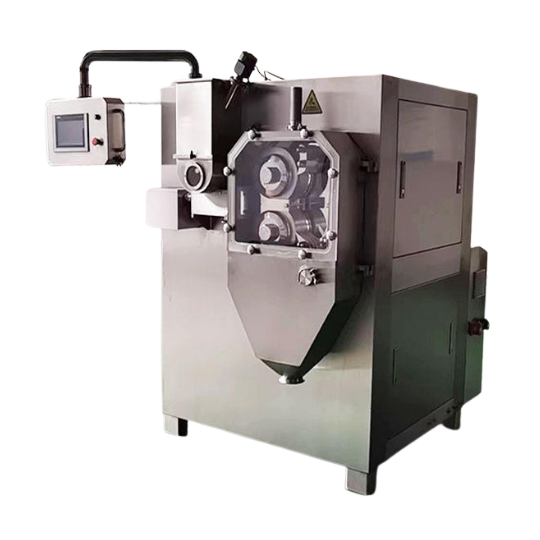
Assemble on site and easy operating system, Speed and production control is adjustable with digital pad management.
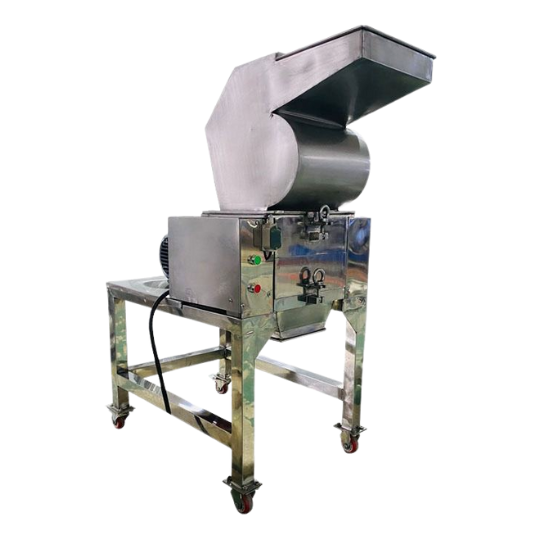
Can process tea leaf pulverization for a more dissolvable state of powder. Enhanced by the sharpness of the grinding, it ensures great quality production
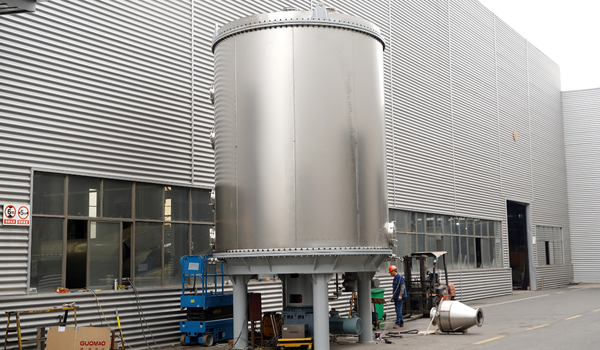
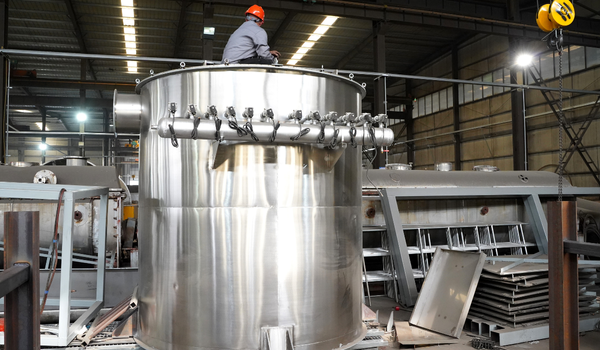
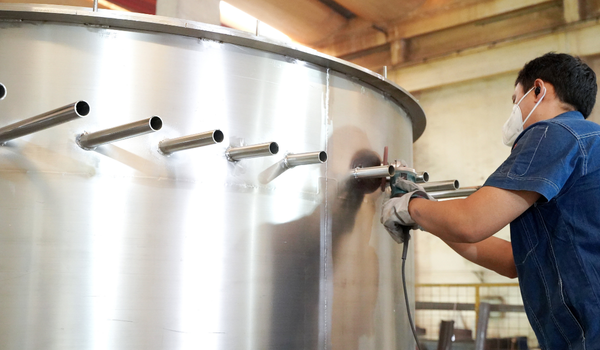
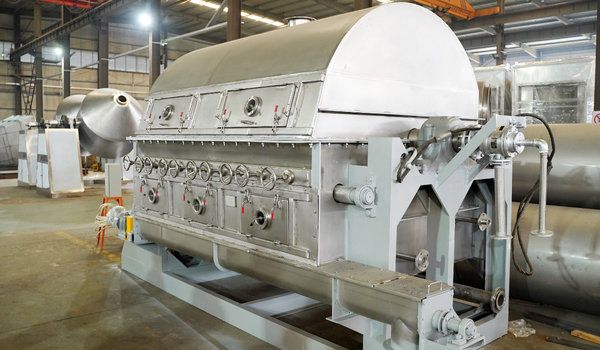
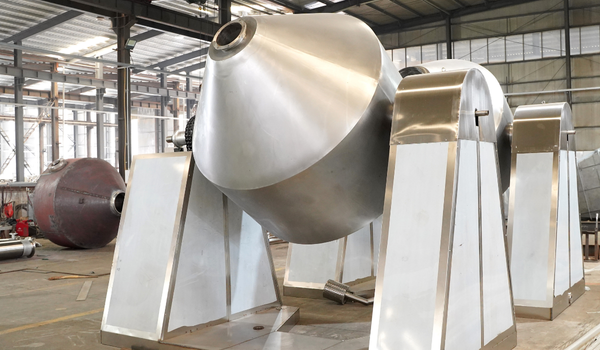
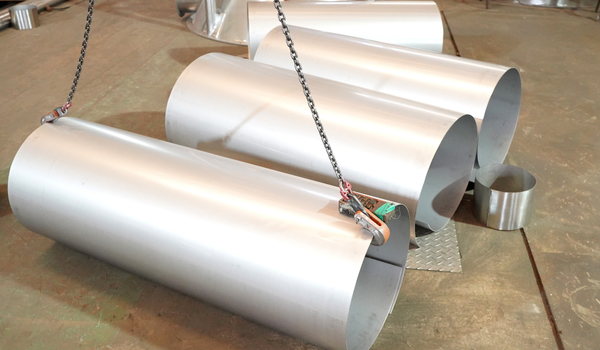
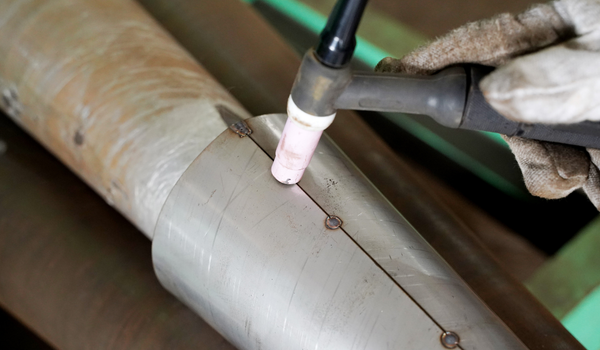
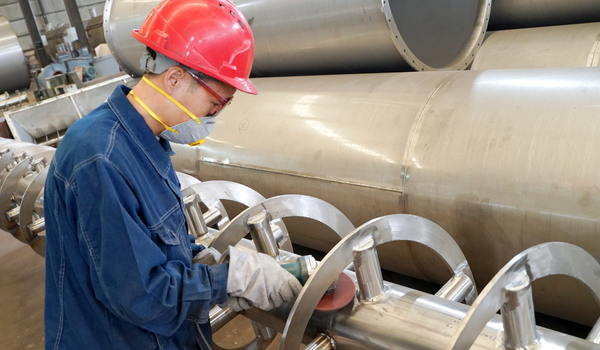
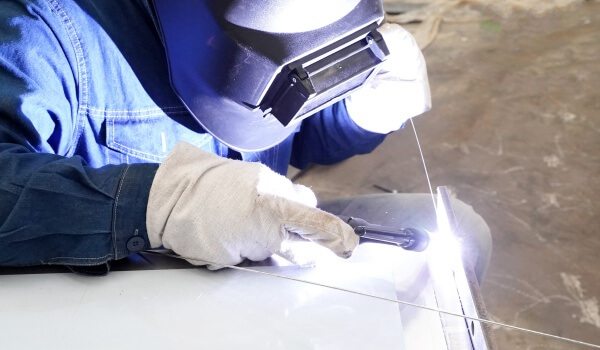
- Our Factory
- Technical Parameters
| Model | Capacity (kg/h) | Hopper volume (L) | Roll size (mm) | Max roll pressure (T) | Roll speed (r/min) | Feeding speed (r/min) | Roll drive motor (kW) | Feeding drive motor (kW) | Granulating drive motor (kW) | Oil pump drive motor (kW) | Max hydraulic pressure (MPa) | Roll & feeding speed control | Weight (kg) | Overall size (L×W×H mm) |
|---|---|---|---|---|---|---|---|---|---|---|---|---|---|---|
| 80 | 20-100 | 3 | 200×80 | 10×2 | 2-20 (adjustable) | 6-60 (adjustable) | 4 | 1.5 | 1.1 | 0.75 | 20 | Electromagnetic adjusting speed or frequency conversion adjusting speed | 2300 | 1540×1250×2400 |
| 120 | 60-200 | 5 | 200×120 | 15×2 | 2-20 (adjustable) | 6-60 (adjustable) | 7.5 | 2.2 | 2.2 | 0.75 | 30 | Electromagnetic adjusting speed or frequency conversion adjusting speed | 2800 | 1800×1650×2600 |
| 200 | 100-400 | 8 | 250×200 | 25×2 | 2-30 (adjustable) | 6-60 (adjustable) | 11 | 3 | 2.2 | 2.2 | 50 | Electromagnetic adjusting speed or frequency conversion adjusting speed | 3500 | 2200×2500×2200 |
What is Dry Granulator
A dry granulator does not require any liquid binders making it more suitable to handle materials that are sensitive to moisture. With the help of mechanical forces such as extrusion or roller pressure, this machine transforms raw materials into uniform particles with excellent flowability. Compared to a wet granulator, the working process of the dry granulator is more simple without additional drying steps. Due to its unique advantages, FANQUN’s dry granulator is widely used in various industries.
How the Dry Granulator Works
The working principle of a dry granulator can be reflected by the following three core steps:
- Feeding: According to a screw or other feeding systems, the raw powder materials are conveyed to the compression rollers. This step is a key process to ensure the tablet features uniform density, and is connected to the properties of final products. It is important to ensure a continuous and stable feeding process.
- Compaction: The powder is conveyed into the compression roll area through its feeding system. With the help of high pressure, the compression rolls force raw materials into dense tablets or strips. This step has strict demands on the control precision of pressure to ensure good product quality. It relies on physical power to change the shape of materials completely, preparing it for subsequent processes.
- Granulation: The compressed tablets are finally cut into small pieces by the granulation system. Then they can through a screen to form particles with certain sizes. You can adjust the screen specifications, cutting speed, and granulation method of this system to obtain different particles.
Types of Dry Granulator
Based on the difference of the production process, the dry granulator typically can be divided into roller compactor and slugging press. There are various comparisons between the two types of machine. Learning their features may help you make the purchase decision.
Roller Compactor
- Working Principle: The raw powder materials are conveyed into press rolls through the screw or gravity and forced into tablets. The tablets will be cut into fine and uniform particles with the help of the granulation system.
- Features: The roller compactor does not need to be heated or humidified, reducing the production process to enhance capacity. It offers stable output pressure to ensure the consistency of tablets. The roller compactor also achieves continuous operation and its process can be controlled to produce different particle sizes. If your project demands fine particles and excellent flowability, the roller compactor is a good choice.
- Application: Roller compactors are widely used in various industries, such as food, medical, and new materials. It is suitable to produce catalyst powders, instant powders, battery materials, and more.
Slugging Press
- Working Principle: The forming method of the slugging press is different to the roller compactor. It compresses the power materials into large slugs and removes the process of tableting and granulation. The final products of the slugging press are typically large granules or chunks.
- Advantages: Products generated by the slugging press offer high strength and bulk density. The slugging press makes the materials more convenient to transport and store. It is especially suitable for the industries that require large particles or bulk materials, such as coal powder, metallurgical powders, fertilizer pellets, and building material powders.
Advantages of Dry Granulator
Excellent Product Quality
The dry granulator does not require any liquids to mix raw materials, preventing active ingredient degradation caused by uneven drying. It eliminates the effects of powder and dust to improve uniform particle size and good flowability, increasing the bulk density of the final product. This will reduce weight or size variations issues to make sure normal operation of subsequent tableting or capsule filling processes. If your project involves water-sensitive or heat-sensitive materials, the dry granulator avoids degradation risks to ensure high quality.
High Efficiency
Due to the reduced drying processes, dry granulators shorten the production cycle to improve efficiency. It supports continuous operation and remote monitor, ensuring normal working while also achieving high capacity. This means you can use the dry granulator to accelerate the particle production process thereby taking on more projects. The dry granulator can be also combined with existing automated equipment to enhance the automation level of production lines, improving the stability of products.
Cost Advantage
The biggest advantage of the dry granulator is no requirement of water or solvent, reducing the purchase cost of drying device and hot air systems for you. In addition, its short process flow also decreases the manual operations to reduce labor costs. The dry granulator offers high material utilization rates, which can reach 95% or higher, to prevent waste issues. For materials that have high value, such as various active pharmaceutical ingredients, the dry granulator efficiently protects components to minimize loss and wastage.
Environmental Protection
Unlike a wet granulator, the solvent-free operation of dry granulator significantly reduces VOCs emission. This machine also eliminates potential safety risks such as fire and explosions caused by organic solvents, protecting operators and other equipment in the workshop. This efficiently improves the operation environment of the dry granulator while also reducing dust generation.
Comparison Between Dry Granulator and Wet Granulator
| Dry Granulator | Wet Granulator | |
| Production Process | Mechanical pressure | Require liquid binders |
| Production Cycle | Short, no drying processes | Long, drying process may require several hours |
| Energy Consumption | Low, mainly rely on the mechanical power | High, drying process consumes a large amount of energy |
| Particle Uniformity | High, no migration risk | Uneven drying may cause migration risk |
| Safety Hazards | Generally safe | High, combustion, explosion, and personnel poisoning |
| Continuous Production Capacity | Extremely strong | Weak |
| Material Yield | High | Medium, wet mixing and drying process may cause loss |
| Maintenance | Convenient | Complex |
| Suitable Materials | Water/heat-sensitive materials | Materials stable to water and heat |
Dry Granulator Applications
Pharmaceutical Industry
A dry granulator for the pharmaceutical industry offers a stable and consistent production process to improve high product quality. It can be used to handle heat-sensitive or humidity-sensitive API, ensuring the efficacy of the medication. The dry granulator also features medical certifications such as GMP to meet the strict cleanliness demands. During the R&D stage, the dry granulator also supports small-scale and pilot-scale testing to determine material compressibility.
Chemical Industry
The dry granulator is also widely used in the chemical industry, including catalysts, pigments, and additives. It is a type of dust-free machine to reduce the safety risks like explosions caused by dust. According to the dry granulator, the bulk density of raw materials is increased, making the material more easy to transport and store. The dry granulator also offers high feeding efficiency to reduce material waste.
Food Industry
Particles produced by the dry granulator feature good solubility and sensory. This is because the dry granulator used in the food industry offers high flexibility to control particle sizes within a range of 0.2- 0.5mm. It meets the requirements of uniform while also increasing the dissolution rates of instant powders The dry granulator prevents high-temperature processing to preserve bioactive components, ensuring nutritional integrity.
New Materials Industry
The dry granulator is typically used for battery materials, nanomaterials, 3D printing powders, and other emerging industries. These applications have strict demands on the particle size, while dry granulator can meet the requirement. By adjusting the process parameters of the dry granulator, you can obtain different products on particle size distribution, bulk density, reactivity, and more.
How to Select Suitable Dry Granulator
When selecting a dry granulator, you should not only focus on the machine, but also analyze comprehensive factors. Ensure that the dry granulator you choose can meet the actual project demands. The following are common factors for your reference:
- Actual requirement: Different stages of a project have different requirements. Based on the actual project scales and progress, you can select a suitable dry granulator with a certain production capacity. You should also analyze raw material features and consider if the material is adaptable with the machine you want to choose.
- Roll Pressure Range: The output pressure of a dry granulator is directly connected to its capacity and the final quality of products. You should choose a dry granulator with sufficient pressure to ensure strong rolls and stable particle size. The dry granulator can be also equipped with a PID control system to precisely control pressure and ensure consistent particles.
- Particle Size: When choosing the dry granulator, its range of particle size should be also considered. It is especially an important factor to industries like medical, food, and more. You should determine the screen types and granulation structure that it supports to ensure the particle size of final products.
- Machine Material: For industries such as the pharmaceutical industry, the dry granulator must meet high cleanliness demands. It is better to be made of 316L stainless steel to ensure it meets sanitary standards. You can demand the supplier to offer certifications when purchasing a dry granulator.
- After-sale Service: Famous and reliable brands and suppliers generally feature mature production lines to ensure stable machine quality. They also provide a relatively long warranty and local service or remote diagnostics. When failures occur on your dry granulator, ensure the supplier you choose can respond in time, reducing production loss caused by downtime.
The dry granulator offers high compatibility to handle various materials, especially the materials that are sensitive to water and heat. However, for powders that are extremely difficult to compress or materials with low viscosity, the process of dry granulators must be adjusted. For example, it may need to add dry binders or require special processing flow to meet special demands.
Not necessarily. Different materials require different pressure. Too high pressure may cause overcompaction, thereby making the particle become too hard. Improper pressure of the dry granulator also consumes more energy, increasing your costs. You can determine the required pressure by small-scale testing before formal production.