
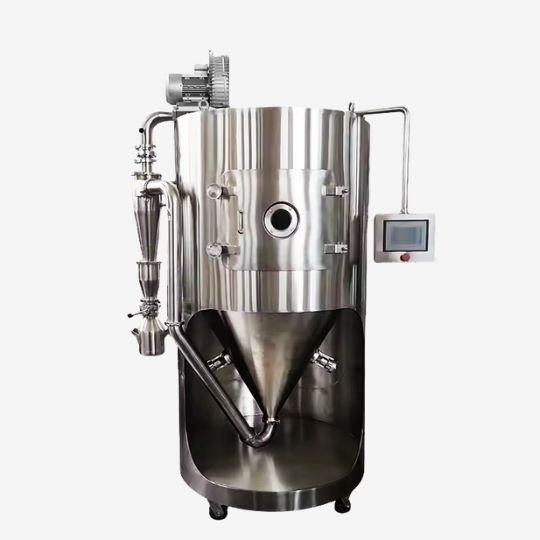
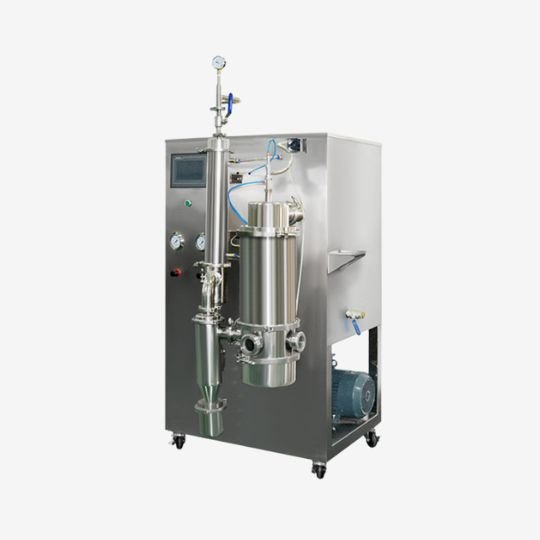
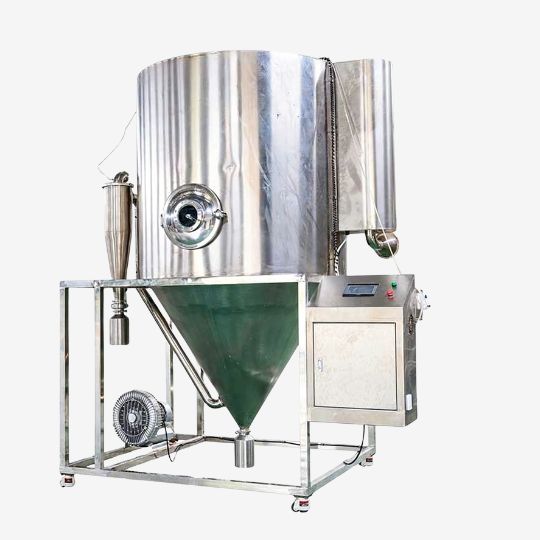
FANQUN Vacuum Spray Dryer
FANQUN Vacuum Spray Dryer preserves the activity of heat-sensitive materials. With inlet air temperatures as low as 60°C and a stable process, it achieves up to 85% product recovery. Order now to get your FANQUN solution!
- FANQUN Vacuum Spray Dryer uses SUS 304 for the contact material and has corrosion resistance, further easing cleaning for food and pharmaceutical industries.
- Material instantly vaporizes in seconds of atomization, avoiding long exposure to high temperatures.
- Precise inlet/outlet temperature control of ±1°C provides for process stability and protects heat-sensitive active ingredients.
- The particle size can be adjusted from about 1–100 μm to suit different forms of powders.
- Conventional processing capacity of 1.5 L/h makes the facility ideal for laboratory R&D, pilot-scale validation, and process evaluation in advance of production line scale-up.
PFQ-LPG-ZK Vacuum Spray Dryer
LPG series high-speed centrifugal spray dryer is a special equipment and is suitable for drying emulsion,suspending liquid,liquor and so on.Particularly it has unique advantage for drying polymers and resins; dyestuff and pigment; ceramics,glass; derust agent; pesticide;carbohydrate,dairy products; detergent and surfactant; fertilizer,organic compound,inorganic compound and so on.
Principle of PFQ-LPG-ZK Vacuum Spray Dryer
Air is turned into hot air filter and heater and enter into hot air distributor at the top of dry chamber and then enters into dry chamber spirally and evenly.At the same time liquid of raw material is sent to centrifugal atomizer at the top of dry chamber pumped by pump through filter.In which liquid of raw material atomizesting droplets.Air and liquid of raw material flows and contacts each other fully.The moisture vaporizes rapidly.Liquid of0 raw material is dried into finished product in a short time.The finished product is discharged through cyclone separator at the bottom of dryer.The wasted air is exhausted through fan.
Features of PFQ-LPG-ZK Vacuum Spray Dryer
- Its dry speed is very fast.In general,it needs 5-15 seconds.It has feature of momentary dry.
- Material can be dried momentarily,it is suitable for drying thermal sensitive raw materials .It can maintain color,smell and taste of materials.
- Production process is simplify.Its operation and control is very convenient It is easy to continuous controlled production.
- The distribution,fluidity and solubility of product are good.
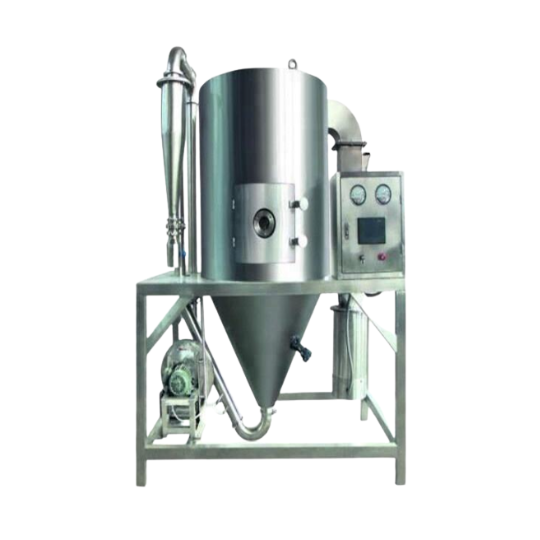
Great electric heating with quality application for chemical processing, a durable and rust-free control.
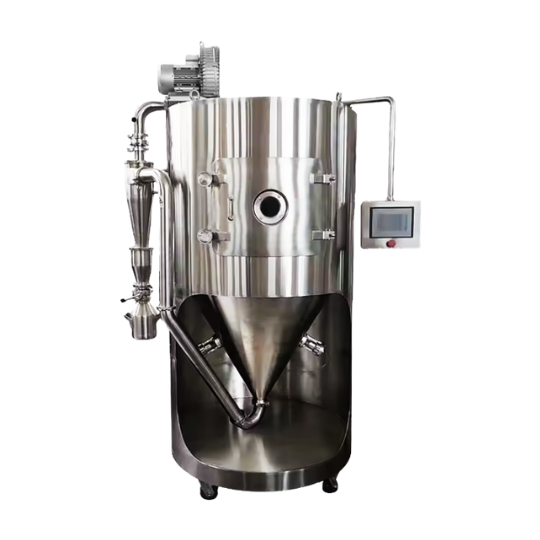
Has a wide application, liquid dryer with multiple heating methods. Energy-saving and high-efficiency.
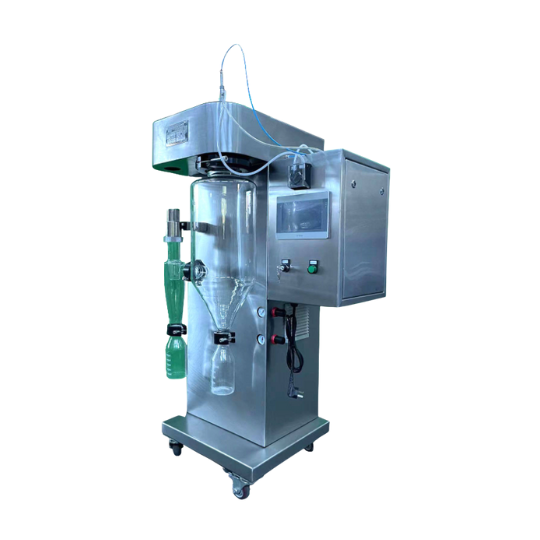
From organic matter to dry food, the heating method is electric and full-automatic mode for drying.
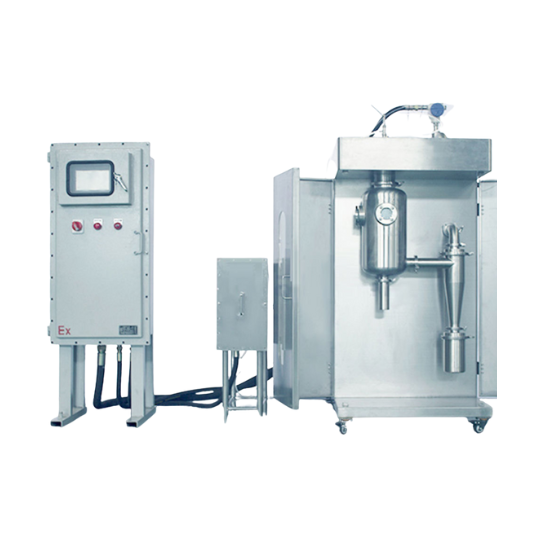
Explosion-proof with a small closed spray dryer, ideal for laboratory research and prevents bacterial spread.
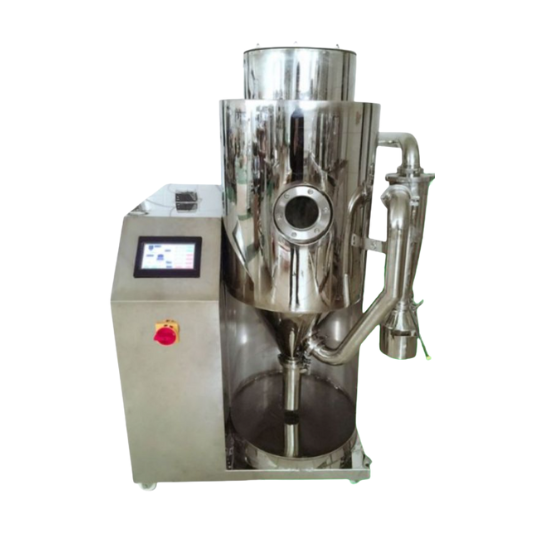
Multifunctional with Electrical heating and steaming method. Constant temperature control and heat dissipation.
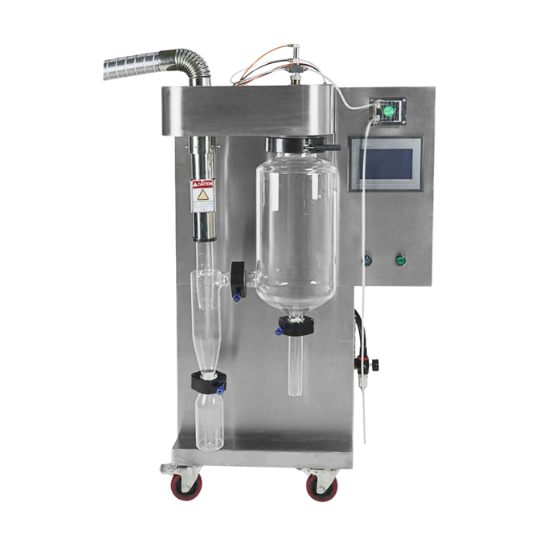
Wide application for food and chemicals, Heat steaming method with temperature control.
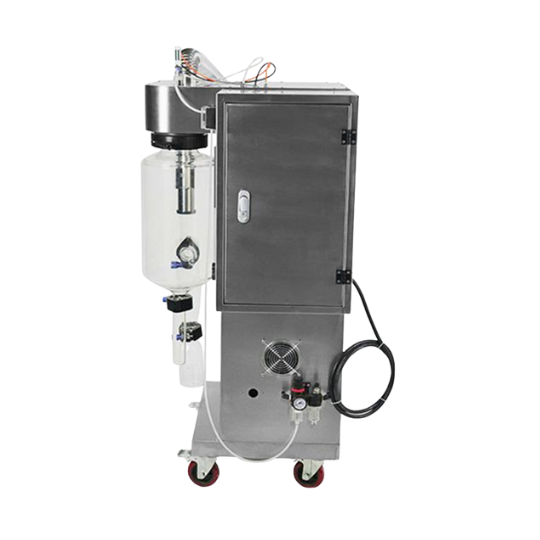
Commonly used for food processing, easy to operate as it has different heating methods for various matters.
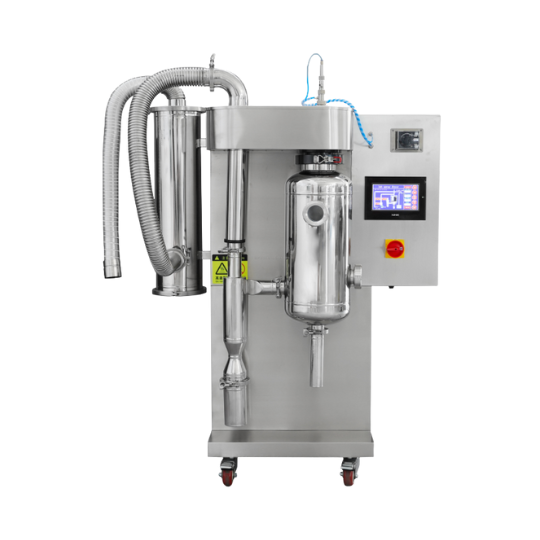
Ensuring a germ-free food process, this vacuum has fully sealed equipment to keep the electric heat within.
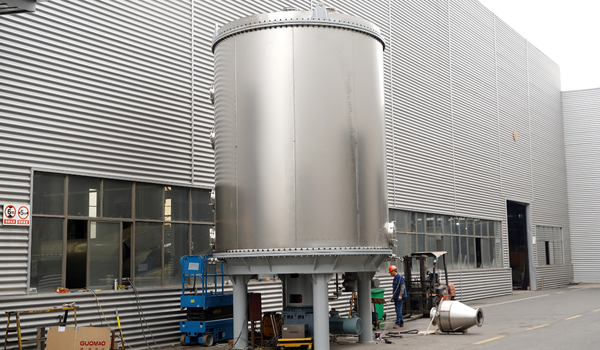
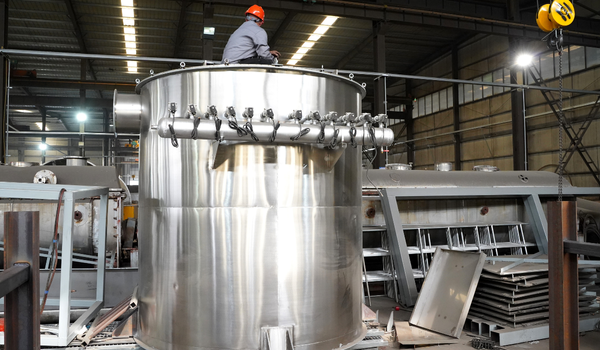
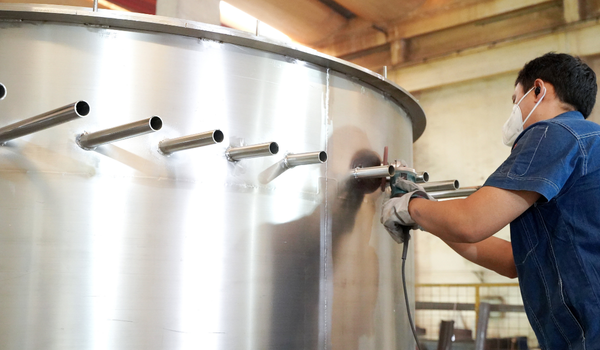
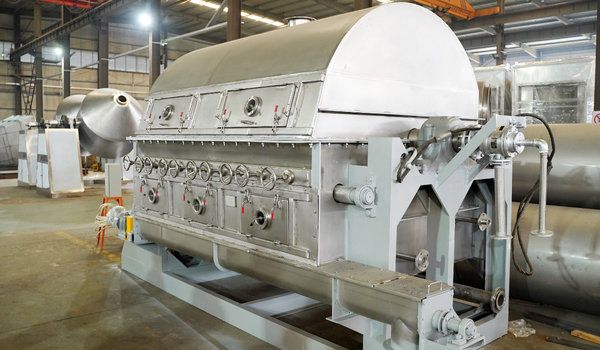
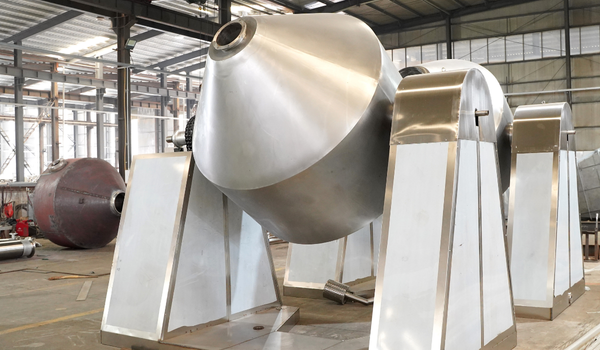
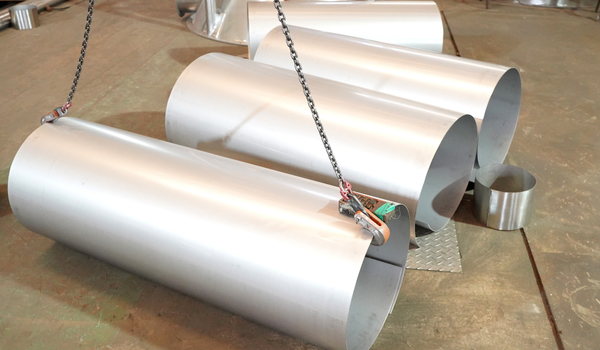
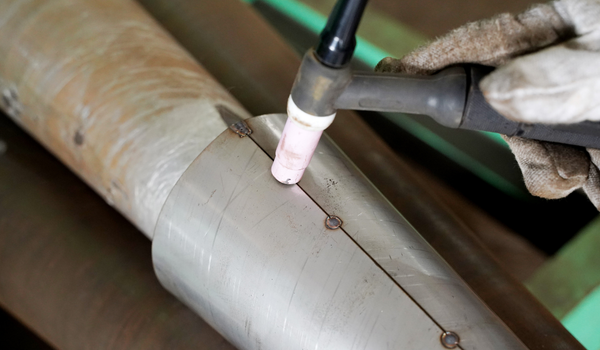
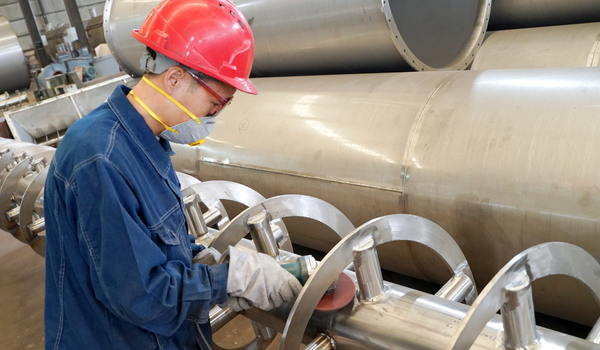
- Our Factory
- Technical Specifications

| Model | Inlet Temperature (℃) | Outlet Temperature (℃) | Max.Evaporated Amount of Water (kg/h) | Driving Style of Centrifugal Nozzle | Max.Revolution (rpm) | Diameter of Atomizing Disk (mm) | Heat Source | Max.Power of Electric Heater(Kw) | Recovery Rate of Dry Powder (%) | Overal Dimensions (LxW×H)(m) |
| 5 | 140~350 self-control | 80~90 | 5 | compressed airdrive | 2500 | 50 | electricity | 9-18 | ≥98 | 1.8X0.93X2.2 |
| 25 | 25 | mechanical driven | 18000 | 120 | steam plus electrloity | 9-18 (45-72All electric) | ≥98 | 3X2.7X4.26 | ||
| 50 | 50 | 18000 | 120 | steam plus electricity oil coal fuel hot air furnacion | 36electric meke-up | ≥98 | 3.5X3.5X4.8 | |||
| 150 | 150 | 15000 | 150 | 72electric make-up | ≥98 | 5.5X4X7 | ||||
| 200~5000 | 200~5000 | ~8000 15000 | 180~240 | hot air furnace | ≥95 | decide in accordance with practical conditlon |
Note:the evaporated amount of molsture is related to characteristics of material also inlet and outlet temperature of hot air.When outlet temperature is 90℃,Its curve of molsture evaporation is shown in above.(for reference when you choose Model).With renew of products unceasingly,the relevantparameterswill be changed,forgive we won’tannounce In advance.
What is a Vacuum Spray Dryer?
A vacuum spray dryer is a special powder-preparation device specifically designed for heat-sensitive materials. Under the low-pressure conditions of operation, liquid feedstock is atomized into very fine droplets. By making use of vacuum to lower the boiling point, moisture is rapidly evaporated and forms powder, thereby preventing high temperatures from degrading active ingredients.
Compared to conventional spray drying, vacuum spray drying takes place at lower temperatures with shorter residence times; therefore, it is suitable for temperature-sensitive materials such as proteins, polysaccharides, enzyme preparations, fermented microbial cells, and active plant extracts.
Working Principle of Vacuum Spray Dryers
The essence of vacuum spray drying lies in decreasing the boiling point of materials during the drying process.
This equipment creates a vacuum inside the spray drying chamber, reducing its internal pressure below the vapor pressure of water or solvents, hence significantly decreasing their boiling temperature.
Water boils at approximately 100°C under atmospheric pressure. When it is under low pressure, water evaporates rapidly in the temperature range of 40–60°C.
It follows that vacuum spray drying can reduce the inlet air temperature from the conventional 150–220°C to about 60°C, thus significantly reducing high-temperature damage to heat-sensitive materials.
The workflow in operation is as follows:
Step 1: Atomization
Atomization of liquid material into minute droplets is done by a nozzle or centrifugal disc. This increases the area for heat transfer and evaporation.
Step 2: Low-Temperature Evaporation under Vacuum
The water inside the droplets now boils and evaporates rapidly within the low-pressure chamber.
Step 3: Instantaneous Drying into Powder Form
Once evaporation is complete, the solid product forms powder. It is collected either at the bottom of the chamber or in a cyclone separator.
Vacuum spray dryers efficiently reduce boiling points under vacuum, allowing the product to dry quickly at a low temperature while realizing significant economic savings.
Key Components of Vacuum Spray Dryers
Atomization System
Atomization marks the onset of the entire drying process. The nozzle atomizes liquid into micron-sized droplets. Smaller droplets increase the contact surface area with hot air, accelerating evaporation.
FANQUN vacuum spray dryers incorporate a two-fluid nozzle, in which compressed gas and material mix at the nozzle tip to create a uniform fine mist.
For these reasons, this design is perfect for heat-sensitive, viscous, or high-solids-content materials because it minimizes clogging and is easy to take apart when maintenance needs to be performed. Particle size control is very stable within a range of 1-100 µm, producing uniform powder morphology.
Vacuum Chamber
Traditional spray drying requires inlet air temperatures above 150°C in order to evaporate the ingredient, which often destroys proteins, extracts, oils, or active components.
Internal pressure is reduced by the vacuum chamber, allowing water to boil at about 60°C, a low-temperature evaporation for heat-sensitive materials. This method prevents browning, oxidation, or structural damage while maintaining product activity, color, and aroma-ideal for temperature-sensitive formulations.
Heating & Air Distribution System
Hot air isn’t about the maximum temperature; it’s all about maintaining stability. Temperature gradients during drying determine the rates at which evaporation occurs, the surface tension of the powder, and drying uniformity.
Our air heating and diffusion structure assures stable flow patterns of hot air entering the chamber. It prevents local overheating or cold spots, thus ensuring consistent and repeatable drying.
This is important for lab validation, pilot production, and scale-up-meaning you will not have to readjust the processes for batch variations.
Cyclone Collector
How powder is collected directly affects the yield and purity of the product. A cyclone collector uses centrifugal forces to separate fine powder from the exhaust gas. The powder settles along the discharge path into the collection container.
The basic design very effectively handles microparticles. At lower drying temperatures, this design minimizes wall adhesion, blockages, or recirculation of the material, enabling the powder to remain dry, clean, and with a consistent particle size.
Control & Safety
Vacuum spray drying is very sensitive to real-time feedback. The FANQUN control platform keeps the inlet air temperature within ±1°C, and it continuously monitors vacuum levels, airflow, and droplet status in real time.
This keeps away batch-to-batch drift concerns-even with proteins or volatile components-for consistent drying profiles.
Advantages of Vacuum Spray Dryers
Various advantages are offered by the vacuum spray dryers when compared to traditional dryers; primarily, the following:
Suitable for Heat-Sensitive Materials
The boiling point of liquids sharply decreases under vacuum conditions, whereby common water-soluble systems can finalize drying at 50–70°C. This method effectively prevents protein denaturation, pigment scorching, extract oxidation, and the volatilization of aromatic compounds.
The resulting powder retains its activity and original properties, which makes it more suitable for R&D experiments and formulation validation.
Minimized Powder Adhesion
Another advantage of low-temperature drying is that the dry powder surface forms a stable granular layer, which prevents wall adhesion or caking. The flow structure around the cyclone separator carries powder out of the stream, reducing retention within the chamber; actual recovery rates up to 85% are achievable, minimizing repeat experiments and thereby losses of valuable material.
Energy Efficiency
The boiling points under vacuum reduction result in fewer heat applications, hence eliminating the use of extremely heated air. For the laboratory and pilot-scale operations, this decreases energy consumption without exposing materials to thermal shock.
Fast Drying
Vacuum spray drying atomises liquids to micron-sized droplets, resulting in tremendous evaporation surfaces. Under vacuum, the evaporation of moisture gets significantly accelerated and completes drying within seconds. It eliminates long residence time, stirring, or auxiliary heating.
Eco Friendly
The whole process in vacuum spray drying is done in a completely sealed chamber. Powder is gathered directly within the system, with minimal buildup in the interior of the machine or entering the exhaust gases.
If a formulation contains solvents or volatile components, integrated condensers or solvent recovery systems ensure emission safety and compliance with regulations.
Applications of Vacuum Spray Dryers
Vacuum spray dryers can be used for temperature-sensitive materials, thus allowing the finished products to maintain the material properties at low temperatures.
Biological Products
There are few materials more sensitive to temperature than enzyme preparations. The inlet temperature of conventional spray drying of 150°C may easily cause inactivation or color changes.
In the case of vacuum spray drying, evaporation occurs at 60–70°C to preserve biological activity and microbial structure, while final particle size can be controlled within the range of 1–100 μm, making it suitable for application.
Typical Applications: Probiotic freeze-drying alternatives, peptides, protein extracts, plasma derivatives, and fermentation broths.
Pharmaceuticals
Drug formulations place high importance on the retention of active ingredients and batch-to-batch consistency. FANQUN’s vacuum process inhibits thermal degradation and minimizes oxidation, producing powders better suited to subsequent mixing, tableting, or encapsulation.
During lab and pilot-scale development, your R&D team can quickly validate the selection of carrier material, coating ratios, particle size uniformity, and enhancement strategies for solubility such as solid dispersions.
Chemical Materials
Spray drying under vacuum rapidly converts the solutions, suspensions, or emulsions into free-flowing powders. Heat-sensitive polymers, active surfactants, and organic intermediates require low-temperature drying for minimal degradation and side reactions.
Typical materials: Polymer resins, dyes, pigments, metal complexes, surfactants.
Food Industry
Color, flavor, and nutritional content are prime focuses of food systems. Drying at a low temperature with vacuum preserves aroma molecules without allowing browning or oxidation while enhancing powder solubility and stability.
Typical applications include: dairy products, egg products, plant extracts, functional nutritional powders, and microencapsulated flavors and fragrances.
Vacuum Spray Dryer vs. Vacuum Freeze Dryer: What Are the Differences?
Vacuum spray drying and vacuum freeze drying are both low-temperature drying methods with their own characteristics. Below, FANQUN will list the specific differences in a table to help you make an informed choice.
| Project | Vacuum Spray Dryer | Vacuum Freeze Dryer |
| Processing Methods | Continuous, direct liquid atomization: instantaneous drying | Batch, freezing: sublimation drying |
| Production Capacity | Medium-Large Scale Production | Small-Medium Scale |
| Applicable Materials | Thermosensitive liquids, sols, suspensions | Extremely sensitive active ingredients, proteins, peptides |
| Product Forms | Powder/granules with controllable particle size | Porous freeze-dried blocks with intact structure |
| Drying Temperature | 60–80℃ | <0℃ (freezing), overall low temperature |
| Drying Speed | Seconds | 10–48 hours/batch |
| Energy Consumption & Cost | Low cost-effectiveness | Extremely high cost-effectiveness, high operating costs |
| Scale-up Capability | Easy to scale up, continuous process | Difficult to scale up, high scale-up risk. |
| Maintenance and Consumables | Primarily nozzle maintenance | Mainly vacuum system and refrigeration maintenance |
How to Select a Vacuum Spray Dryer?
Vacuum spray dryers are not standard components. With the same inlet air at 60°C, some will preserve enzyme activity and others leave you with nothing but a pile of burnt yellow powder.
Main differences are based on nozzle design, vacuum stability, hot air pathways, and powder collection methods.
The following three steps represent the selection logic that we have distilled from many customer projects. You can follow the given steps in choosing a vacuum spray dryer suitable for your application.
Step 1: Define Your Requirements
Answer the following six questions before purchasing:
- Are you experimenting, producing samples, or scaling up to mass production?
- What is the maximum temperature your material can withstand?
- Are you doing experimental validation or pilot-scale upscaling?
- What is the maximum temperature tolerance of your material?
- What are the size requirements for powder particles (1–20 μm / 20–100 μm / 100 μm+)?
- Do you optimize for recovery rate or viability retention?
If unsure, please provide target particle size, solid content and samples-we will discuss the feasible ranges with you.
Step 2: Choose a Trustworthy Manufacturer
A reliable manufacturer of vacuum spray dryers guarantees excellent performance in every stage, from laboratory tests and pilot-scale production to full-scale drying at a commercial scale.
Therefore, a professional manufacturer would provide:
- Extensive three-stage data: Laboratory → Pilot → Production
- IQ/OQ documentation and material certificates
- Responsive after-sales support
- Adequate inventory of spare parts and standard nozzles available universally
Step 3: Review Key Parameters Based on Requirements
After the above two points are explained, choose a suitable vacuum spray dryer according to your needs. FANQUN has prepared the following reference table for you to choose the right vacuum spray dryer. You can select the right parameters based on this table.
| Selection Criteria | Why It Matters | Reference Values |
| Evaporation Capacity | Directly correlates with production capacity and scalability | Laboratory: 0.5–3 L/h Pilot Scale: 3–10 L/h Production Scale: 15–50 L/h+ |
| Minimum Inlet Gas Temperature | Determines viability of heat-sensitive materials | Vacuum Spray: 50–80°C Conventional Spray: 150–220°C |
| Atomization Method | Particle Size, Clogging Rate, Maintenance Cost | Two-fluid: 1–50 μm (Thermosensitive/Viscous) Rotary: 10–100 μm (High Throughput) Pressure Nozzle: 5–100 μm (Clogging Risk) |
| Particle Size Range | Determines Backend Process Compatibility | R&D: 1–100 μm Industrial Grade: 10–300 μm |
| Operating Mode | Determines labor costs and stability | R&D: Batch processing Production: Continuous processing |
| Dust Collection System | Recovery rate and production loss | Single cyclone: 80–85% Two-stage: 85–95% |
| Temperature Control Accuracy | Batch Consistency and Survival Rate | Temperature Accuracy: ±1°C Vacuum Fluctuation: ≤0.01 MPa |
| Contact Materials | Compliance and Corrosion Resistance | Food/Chemical: 304 Pharmaceutical/Biological: 316L |
FANQUN has been specializing in vacuum spray-drying technology for over 30 years. Our engineering team deeply participates in various applications, such as pharmaceuticals, food, biotechnology fermentation, and chemical materials, while designing reliable turnkey solutions for a variety of formulation systems.
Whether it is laboratory-scale trials, pilot-scale testing, or industrial production, each project has its unique process requirements that we understand——solid content, viscosity, heat sensitivity, solvent systems, and particle morphology are factors determining drying efficiency and product performance.
If you need a drying solution for a new product, please contact us. FANQUN team will provide a customized solution based on the properties of your materials, production capacity requirements, and site conditions. From design and process validation to complete line delivery, we provide more stable drying processes, more controllable particle structures, and recovery rates of the highest quality for your project.
The nozzle atomizes feed liquid into tiny droplets that still contain water or organic solvents internally. With heat and mass transfer, the droplets lose moisture gradually, forming a solid shell at their surface, until they are converted into granular powder.
Droplets are the pre-dried state, while particles represent the final dried product. There are significant differences between the two in particle size, moisture content, and internal structure.
Currently, most models support automated feeding, temperature control, vacuum regulation, and powder collection.
FANQUN equipment is designed to be interconnected upstream with concentrated systems and downstream with powder packaging modules to minimize manual intervention. Simply input parameters based on the formulation, and the system will complete the spraying, drying, and collection processes, requiring only monitoring and fine-tuning during operation.
Because the target for drying is “water,” not the “product.” Higher dilution levels increase drying costs.
Increasing the level of solid content to the optimal range reduces evaporation load and drying time. It also improves particle structure by reducing the risk of hollow powders or poor formation. For high-value materials, the step increases recovery rates.
Lower bulk density means greater volume per unit of weight, which directly increases costs of packaging and shipping.
In applications for food, pharmaceuticals, and functional materials, this also affects flowability, tablet compression, and dissolution rates. An unstable bulk density translates to end-product issues like inconsistent volumes of the bag and problematic portioning.